
























Samsung and SK hynix Announce $870 Billion Ten-Year Semiconductor Expansion Plan
By
by AleksandarK Today, 20:17 Discuss (1 Comment)
Summary
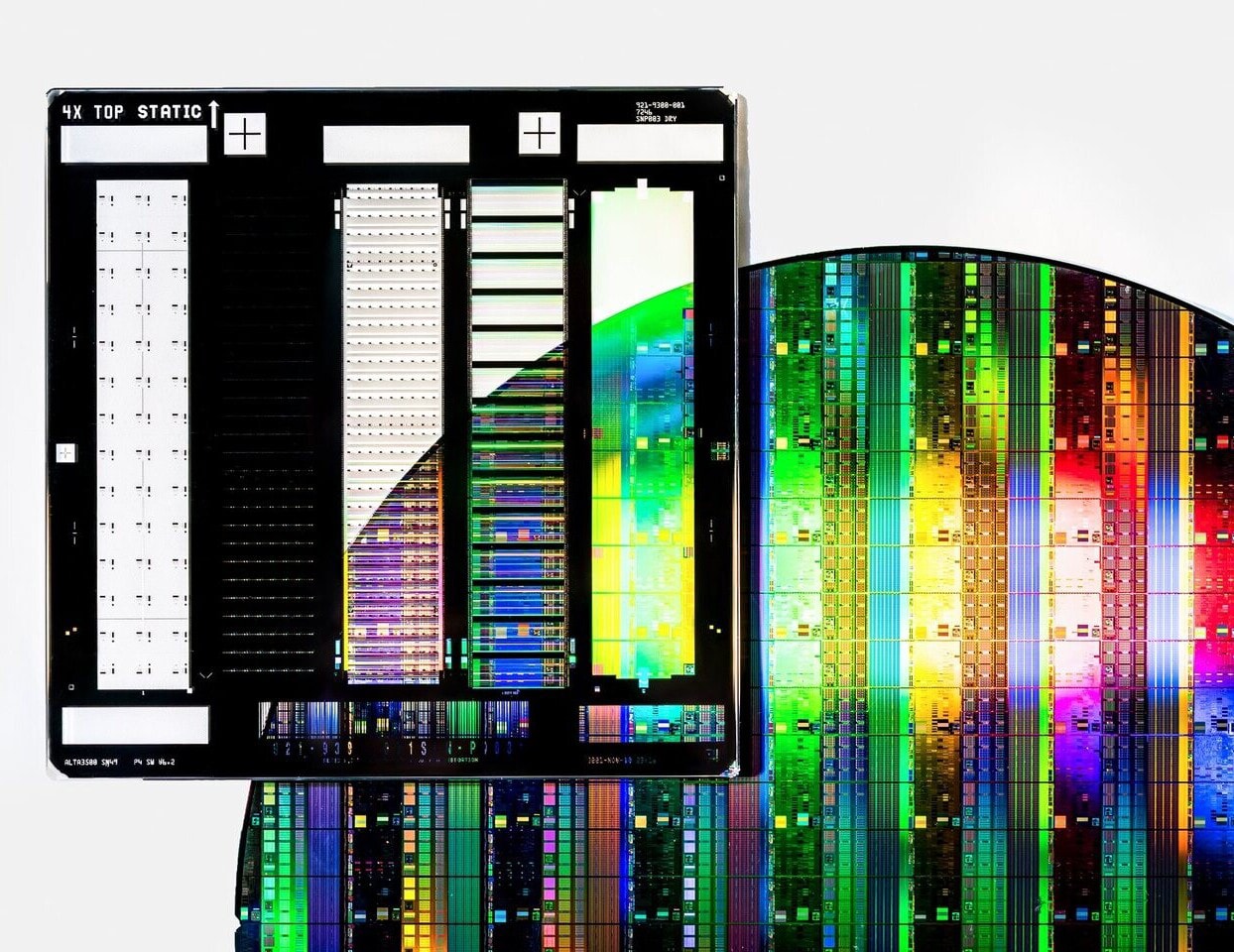
Samsung and SK hynix have announced a massive ten-year investment plan of approximately 1,350 trillion won ($870 billion) to expand semiconductor manufacturing capacity and data centers. The investment covers memory (DRAM, NAND Flash), storage, and logic semiconductors, with SK hynix focusing on DRAM and NAND Flash, while Samsung also includes logic for its LSI division. The plan goes beyond just creating new fab production capacity.
Source
 bskySamsung and SK hynix Announce $870 Billion Ten-Year Semiconductor Expansion Plantechpowerup.com
Key quotes
· 3 pulledSouth Korean giants Samsung and SK hynix have announced plans to invest about 1,350 trillion won, roughly $870 billion at the time of writing, into expanding semiconductor manufacturing capacity and data centers over the next ten years.
This ten-year plan includes memory, storage, and logic, which both companies produce.
The investment is so comprehensive that it will include more than just creating new fab production capacity for increased waf
You might also wanna read


SK hynix to invest $712.5 billion in South Korean operations — Cheongju NAND expansion, Yongin Semiconductor Cluster for DRAM detailed

SK hynix to invest over $60 billion in chip plants in South Korea, but the memory crisis still seems a long way from being over

Samsung reaches tentative bonus deal with semiconductor workers after strike threat
Samsung has reached a tentative deal with semiconductor employees who threatened an 18-day strike over bonus caps. The agreement makes some
 The Verge·1mo ago
Samsung, SK hynix, and Micron sued in US over alleged D-RAM price-fixing conspiracy
Samsung Electronics, SK hynix, and Micron have been sued in a California federal court by 14 individual consumers and three small businesses
 en.sedaily.com·5d ago
The largest RAM and storage component manufacturers are being sued for alleged price fixing and stoking "supracompetitive prices"

Memory Manufacturers Shift Focus from Smartphones to Hyperscalers, Threatening 2026 Device Markets
The article analyzes a global memory shortage crisis driven by a fundamental shift in semiconductor manufacturing priorities. Rather than a
 idc.com·6mo ago
Comments
Sign in to join the conversation.
No comments yet. Be the first.