
























Salesforce Shifts from LLMs to Deterministic Automation in Agentforce After 4,000 Layoffs
Salesforce is dialing back LLMs, leaning on deterministic automation and guardrails after reliability gaps. The aim: predictable outcomes, clean data, and no missed steps.
Read the full articleYou might also wanna read


Tool-Using LLMs: When Automation Breaks Its Own Rules
Tool-using LLM agents often violate their own policies, raising questions about AI governance. Deterministic gates offer a partial solution

Salesforce announces additional layoffs amid AI disruption concerns
The SaaS giant has been hit by concern that AI could replace some traditional software services.
 businessinsider.com·1mo ago
Salesforce survey: AI agent adoption in customer service jumps to 66%, with 70% of companies seeing ROI within 60 days
Outcome-based resolution pricing means companies pay only when the AI agent resolves an issue autonomously, without human intervention.
 zdnet.com·22d ago
Ecommerce Platforms for AI Agents: Which Tools Support Machine Customers
AI agents are starting to shop on behalf of users, but most ecommerce platforms weren’t built for them. Here are some of the options that ac
 Ecomm.design·1mo ago
A Journey from AI to LLMs and MCP - 5 - AI Agent Frameworks – Benefits and Limitations
> **Cross-posted.** This article's canonical home is [Data Lakehouse Hub]( ## Free Res...
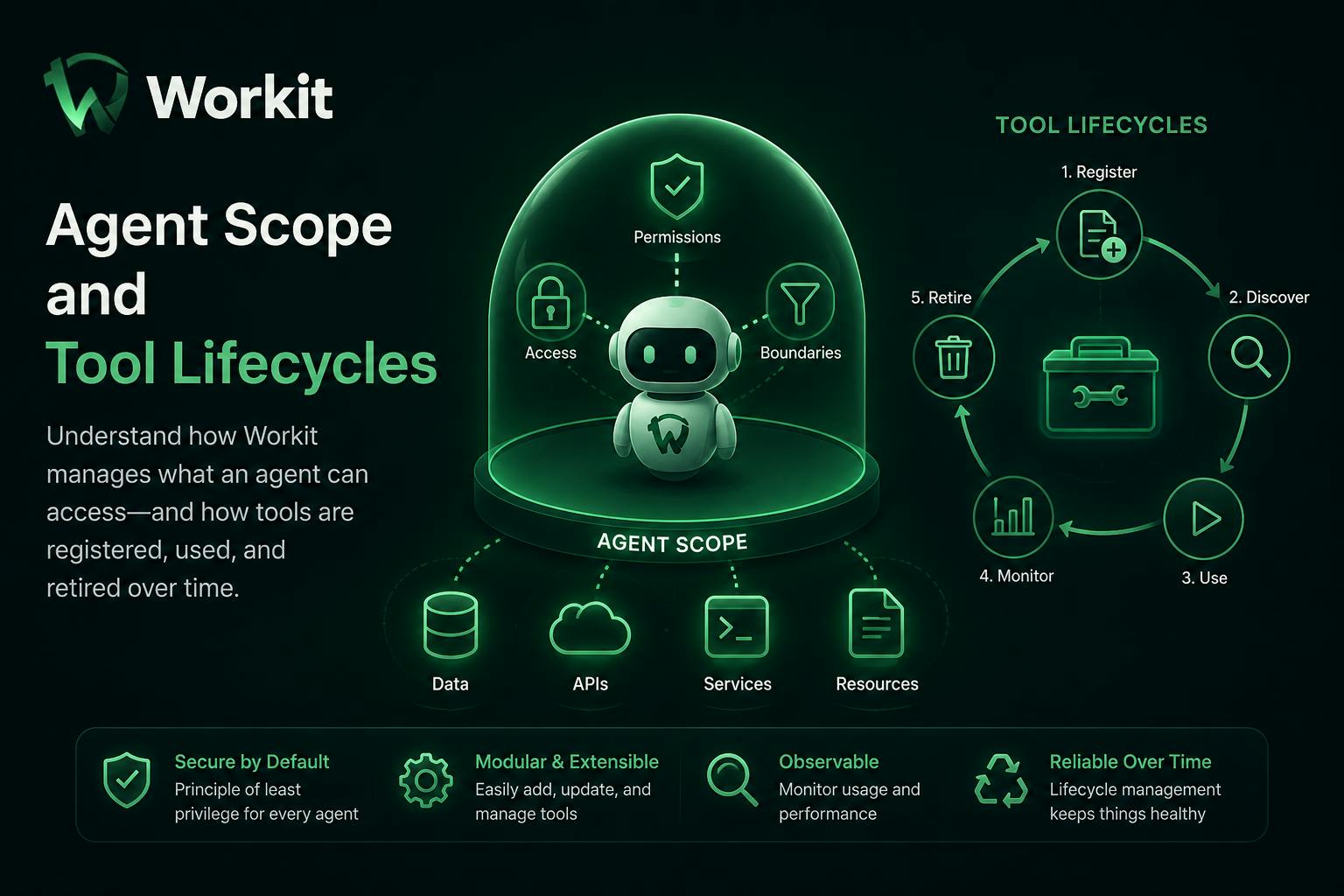
AI Agent Scopes and Tool Lifecycles in Production-Grade Systems
Building production-grade AI agents requires more than just wiring LLM calls to tools
Comments
Sign in to join the conversation.
No comments yet. Be the first.