





















rlisp: A LISP Syntax Frontend That Compiles Directly to Rust
By
thatxliner

Crisp on the outside, thoughtful on the inside. A keeper.
Summary
rlisp is a transparent s-expression frontend that compiles directly to Rust, allowing developers to write Rust semantics (ownership, borrowing, lifetimes, generics, traits, pattern matching) using LISP syntax. It has no runtime or garbage collector, and relies on rustc for type checking, borrow checking, and optimization — rlisp only handles the syntax transformation from s-expressions to Rust code.
Key quotes
· 5 pulledRust semantics with LISP syntax.
A transparent s-expression frontend that compiles directly to Rust — no runtime, no GC, just (s-expr → .rs → binary).
Everything Rust has — ownership, borrowing, lifetimes, generics, traits, pattern matching — expressed as s-expressions.
No semantic gap.
rustc does type checking, borrow checking, and optimization. rlisp just handles the syntax.
You might also wanna read
Inside the lone lisp heap: A technical deep dive into a dynamic language's memory architecture
This article discusses the heap implementation of "lone lisp," a dynamic programming language. It describes how lone started as a collection

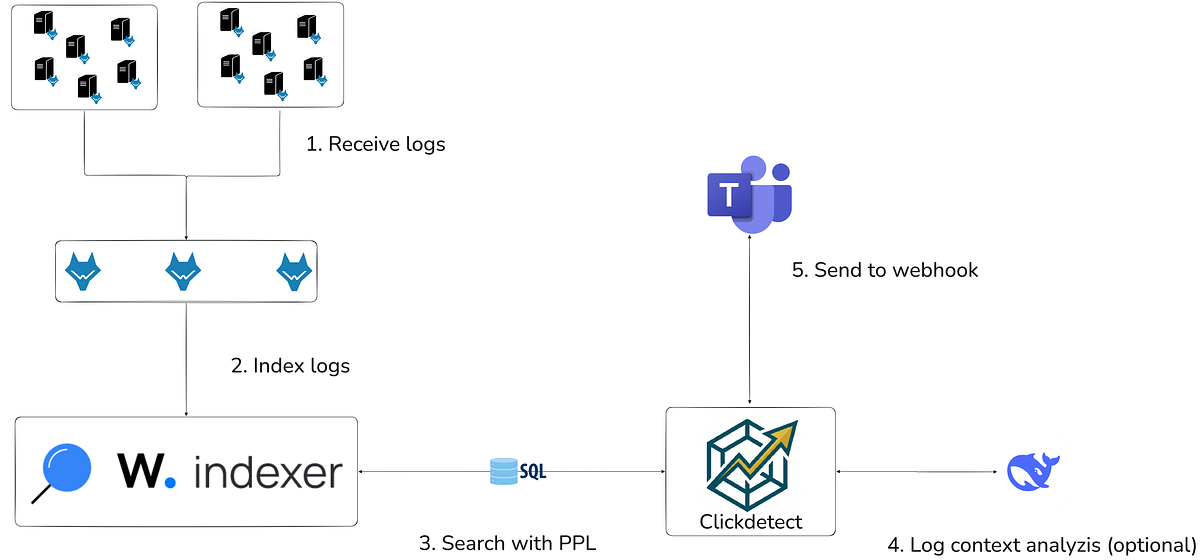
Extending Wazuh Detection with Clickdetect, OpenSearch PPL, and Sigma Rules
This blog post by "souzo" introduces clickdetect, a repository/tool designed to extend Wazuh's detection capabilities by integrating with Op
 infosecwriteups.com·3d ago
Whosthere: A Go-based LAN discovery tool with interactive TUI for unprivileged network scanning
Whosthere is a Go-based Local Area Network (LAN) discovery tool with an interactive Terminal User Interface (TUI). It performs unprivileged,
 Product Hunt·10d ago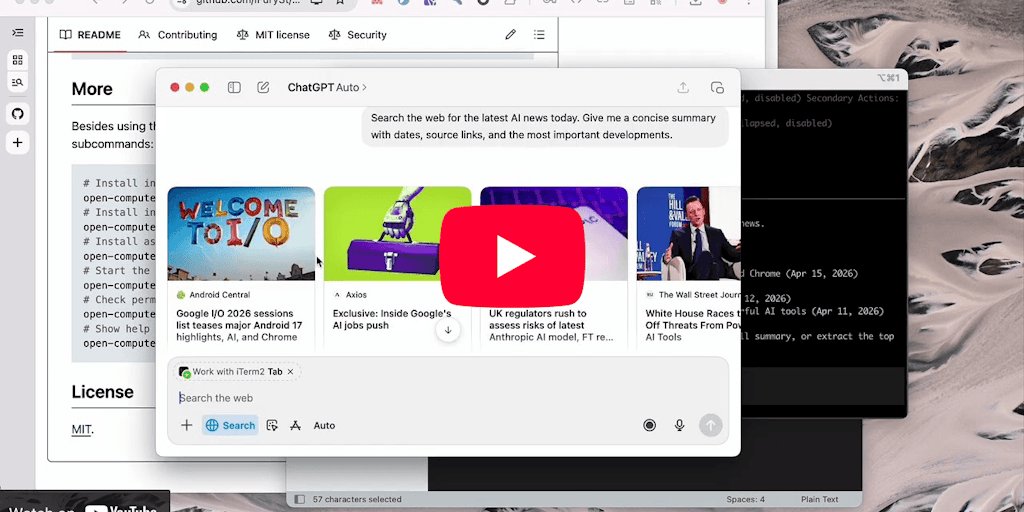
Open Computer Use: Open-Source Desktop Automation Tool for AI Agents via MCP
Open Computer Use is an open-source tool that turns local desktop automation into a standard MCP (Model Context Protocol) service. It allows
Product Hunt·18d ago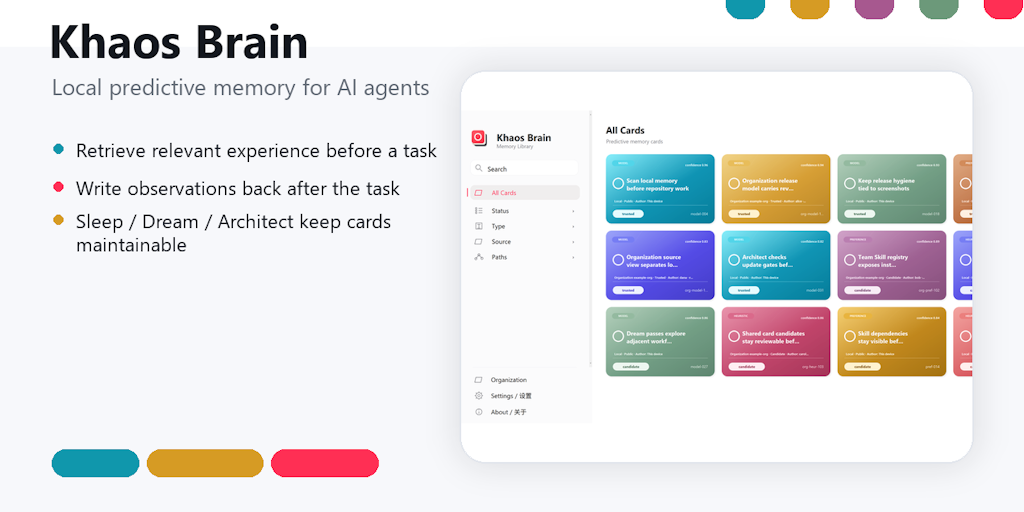
Khaos Brain: An open-source local-first predictive memory system for AI agents
Khaos Brain is an open-source, local-first predictive memory system for AI agents that stores experience as visible, Git-versioned file-base
Product Hunt·20d ago
YourMemory: Open-source persistent memory layer for AI agents using Ebbinghaus forgetting curve
YourMemory is an open-source persistent memory layer for AI agents that implements Ebbinghaus forgetting curve decay to mimic human memory.
 github.com·1mo ago