





















Khaos Brain: An open-source local-first predictive memory system for AI agents
By
Yingxu Liu

Right out the toaster. Reliable, with some real depth.
Summary
Khaos Brain is an open-source, local-first predictive memory system for AI agents that stores experience as visible, Git-versioned file-based cards instead of opaque memory. It enables agents to retrieve relevant past experiences before tasks, write observations afterward, and uses a Sleep/Dream/Architect maintenance cycle to keep the knowledge base reviewable. The system focuses on accumulated experience (conditions, actions, results, failures, reliable routes) rather than simple "remember this" commands.
Key quotes
· 4 pulledI built Khaos Brain because most AI memory features feel too shallow for real agent work.
Saving 'remember this next time' is useful, but the more valuable unit is accumulated experience: what condition appeared, what action was taken, what result happened, which route failed, and which route later became reliable.
Khaos Brain is an open-source, local-first predictive memory system for AI agents. It stores experience as visible file-based cards instead of an opaque memory box.
Agents retrieve relevant cards before work, write observations afterward, and Sleep/Dream/Architect maintenance keeps the library reviewable instead of becoming a black-box memory store.
You might also wanna read

Agent-kernel: Minimal Tool for Adding Stateful Memory to AI Coding Agents
Agent-kernel is a minimal open-source tool that adds stateful memory to AI coding agents. It enables agents to remember conversations betwee
 github.com·2mo ago
Hippo-memory: Biologically-Inspired Memory System for AI Agents with Decay and Consolidation Features
Hippo-memory is a biologically-inspired memory system for AI agents that addresses the problem of AI agents forgetting everything between se
github.com·1mo ago
DiffMem: Git-Based Differential Memory System for AI Agents
DiffMem is a proof-of-concept project that implements a git-based memory storage system for AI agents and conversational systems. It uses Ma
github.com·9mo ago
YourMemory: Open-source persistent memory layer for AI agents using Ebbinghaus forgetting curve
YourMemory is an open-source persistent memory layer for AI agents that implements Ebbinghaus forgetting curve decay to mimic human memory.
github.com·1mo ago
Robot Memory System Enables AI Robots to Learn from Past Experiences
Robot Memory (robotmem) is a persistent memory system for AI robots that enables robots to learn from past experiences. The system stores ep
github.com·2mo ago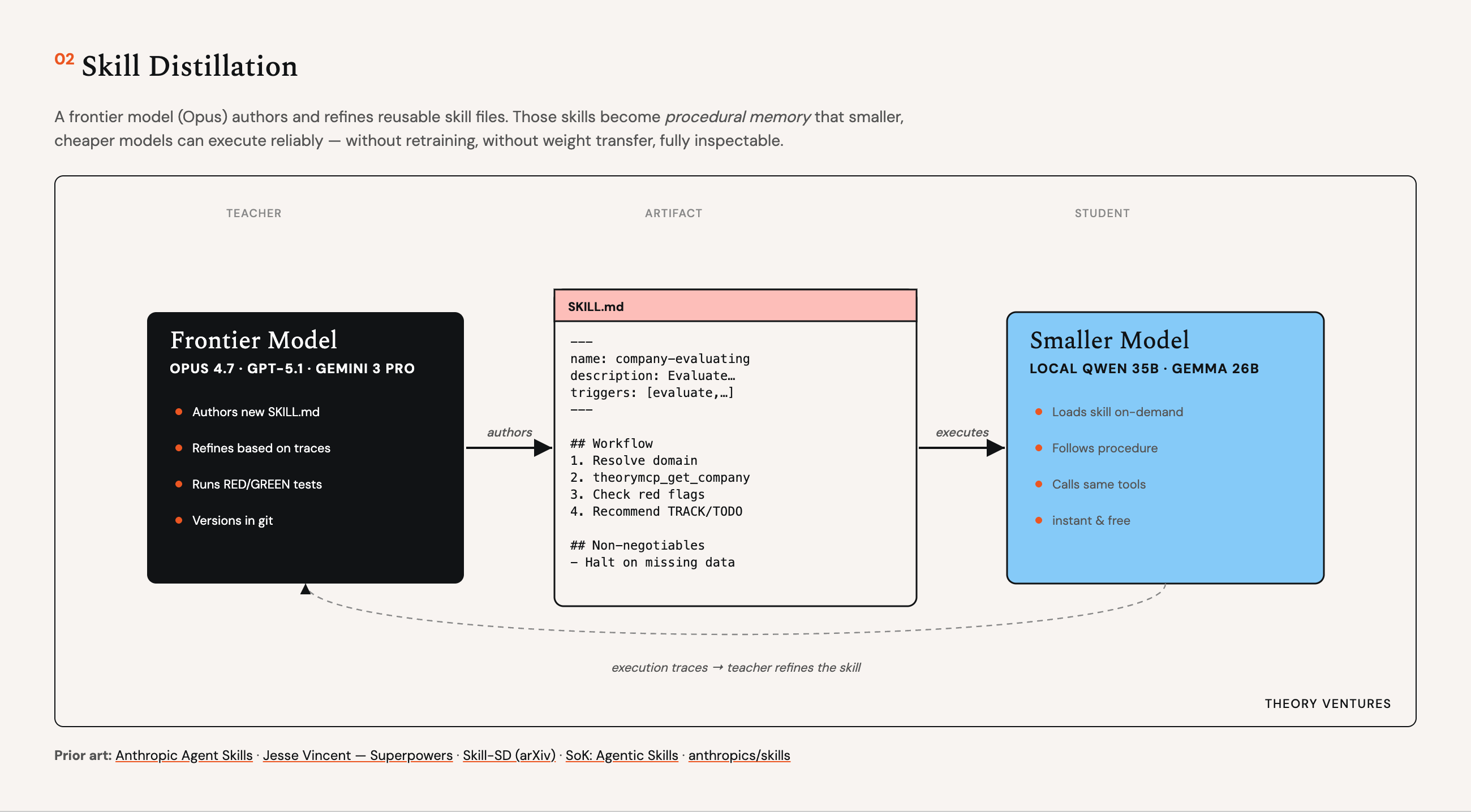
Building a Personal AI Agent with Markdown-Based Skills and Local Models
The article describes a personal AI agent built on Pi that manages the author's inbox, calendar, deal pipeline, blog publishing, and researc
 tomtunguz.com·2d ago