
























 Baker's Take
World's largest digital camera starts scanning the entire southern sky in a decade-long quest

By
Mr Bagel
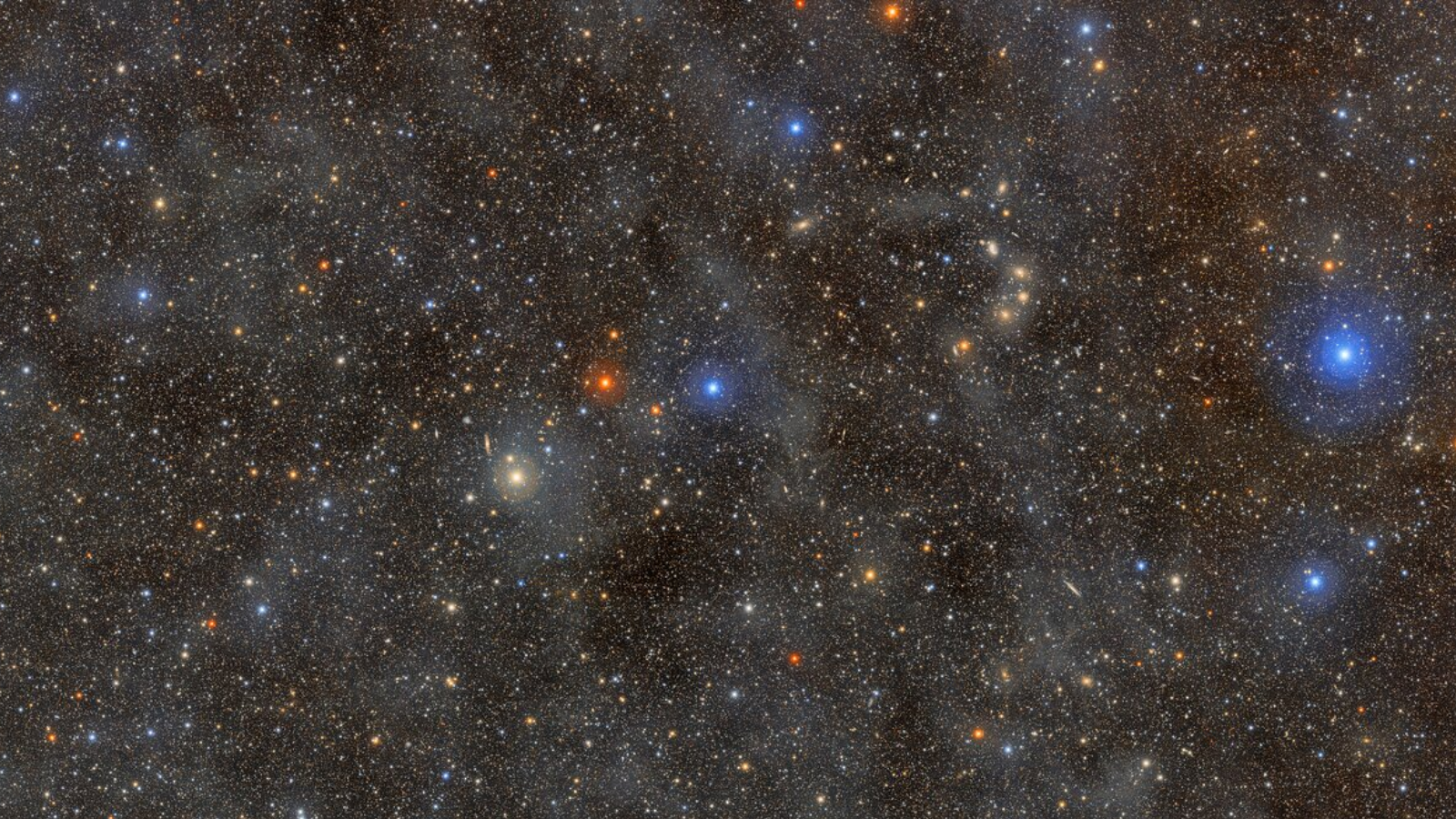
The Vera C. Rubin Observatory in Chile has officially begun its 10-year Legacy Survey of Space and Time (LSST), a mission that will repeatedly image the entire visible southern hemisphere to create an unprecedented time-lapse record of the cosmos. According to science.org, the telescope's survey will generate more data in its first year alone than all previous optical telescopes combined, marking a monumental leap in observational astronomy.

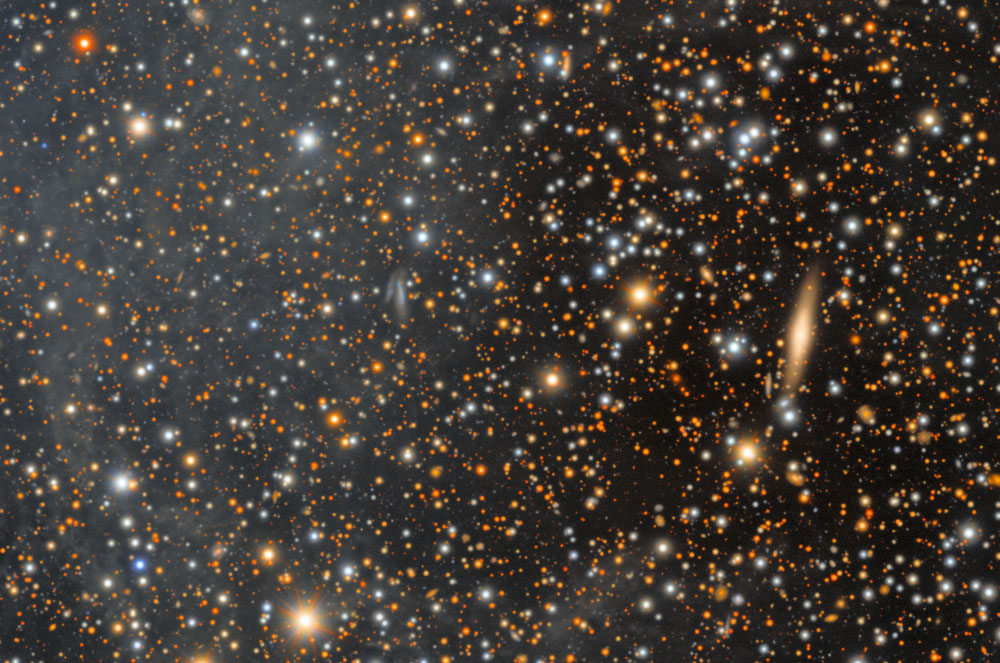
Space.com reported that the observatory is set to capture what it calls the "greatest cosmic movie ever", a time-lapse record of the universe that will enable discoveries of transient events, mapping of dark matter, tracking of asteroids, and studies of the Milky Way's structure. The 1.7-gigapixel camera will produce data volumes that open a new era of astronomy, the outlet noted.
The scale of the survey is staggering. Badastronomy.beehiiv.com reported that the observatory uses an 8.4-meter telescope with a 3.2-billion-pixel camera that captures an image every 40 seconds, repeatedly scanning the entire visible sky over a decade. This massive dataset is expected to yield breakthroughs in understanding dark matter, dark energy, and near-Earth asteroids, the outlet added.
"greatest cosmic movie ever"
That cinematic ambition translates into hard science. According to science.org, the survey aims to capture transient cosmic events like asteroids and supernovae while building a deep map of billions of galaxies. The observatory's ability to detect and track moving objects in near-real time will dramatically improve our inventory of potentially hazardous asteroids, the outlet explained.
The observatory's data pipeline is designed to handle an unprecedented flow of images. Badastronomy.beehiiv.com highlighted that the survey "represents a monumental leap in observational astronomy, generating unprecedented volumes of data and opening new frontiers for discovery." The LSST mission is expected to fundamentally change how astronomers study everything from the smallest asteroids to the largest structures in the universe, according to space.com.
As the first images stream in, the astronomy community is bracing for a flood of discoveries. The Rubin Observatory's decade-long watch promises to transform our understanding of the dynamic sky, with each 40-second snapshot adding another frame to what space.com called "the greatest cosmic movie ever", a film that scientists will be analyzing for generations to come.
The reporting
3 outlets covered this story. Each links to the original.

Comments
Sign in to join the conversation.
No comments yet. Be the first.