
























Purdue University launches first-ever In-Space Manufacturing university course
Summary
Purdue University has launched the first-ever university course focused on In-Space Manufacturing, led by Professor Ajay Malshe. The course reflects a paradigm shift from short-term space exploration (Space 1.0) toward sustaining a permanent human presence in space, which requires the ability to build and manufacture directly in space rather than relying solely on Earth-launched supplies.
Source
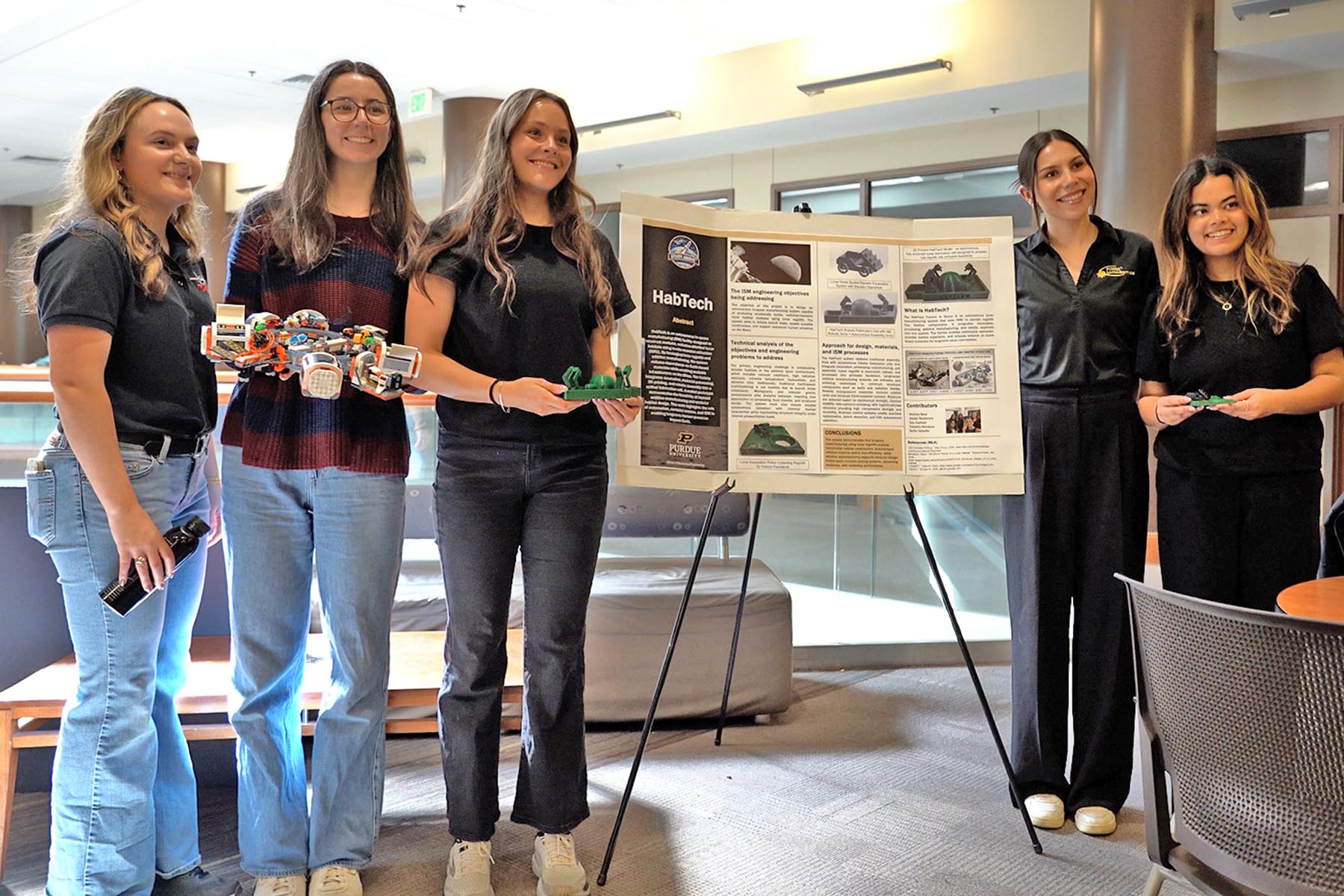
 Twitter / XPurdue University launches first-ever In-Space Manufacturing university coursebit.ly
Key quotes
· 2 pulledWe as a society are changing the way we think about space.
Space used to be about exploration only — you go on a mission for a short time, and then you come back. That's Space 1.0. We're now shifting the vector to sustaining a permanent human presence in space.
You might also wanna read

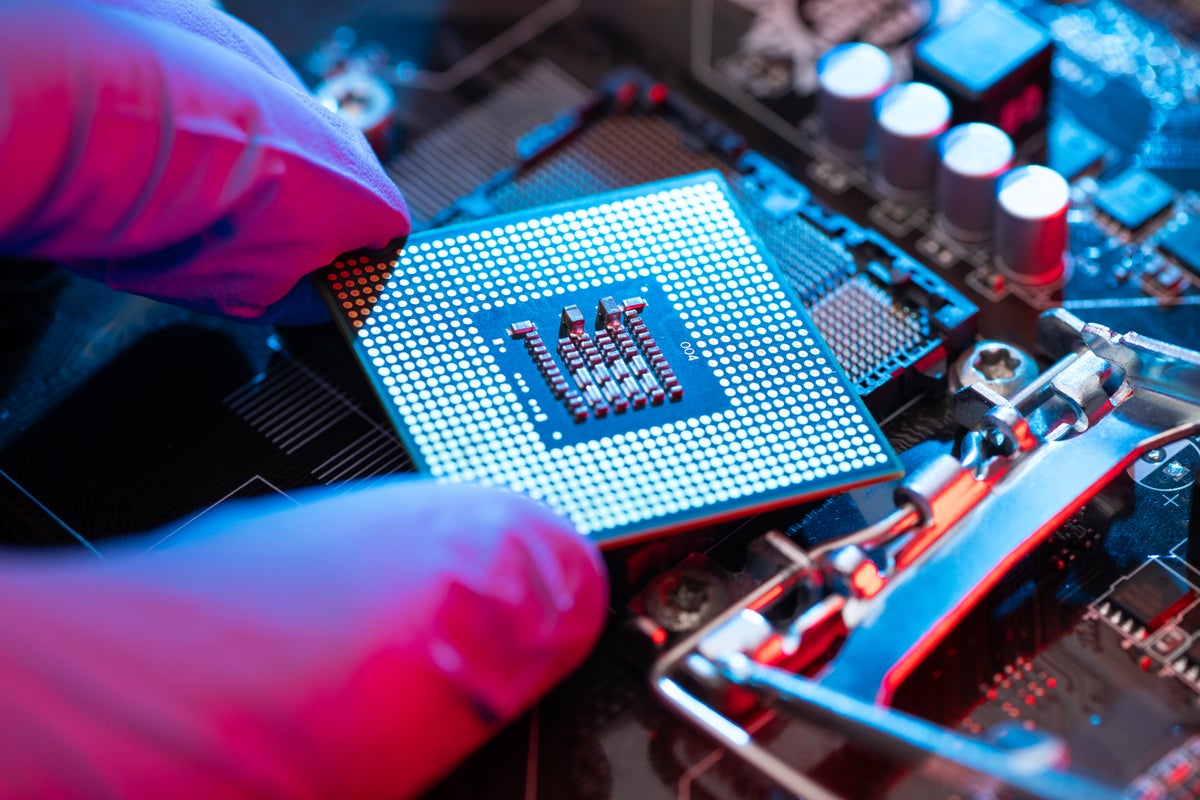
Space Forge Achieves First Plasma Creation on Satellite for Space-Based Semiconductor Manufacturing
Space Forge, a UK-based aerospace startup, has achieved a significant milestone in its mission to manufacture semiconductors in space by cre
 scientificamerican.com·5mo ago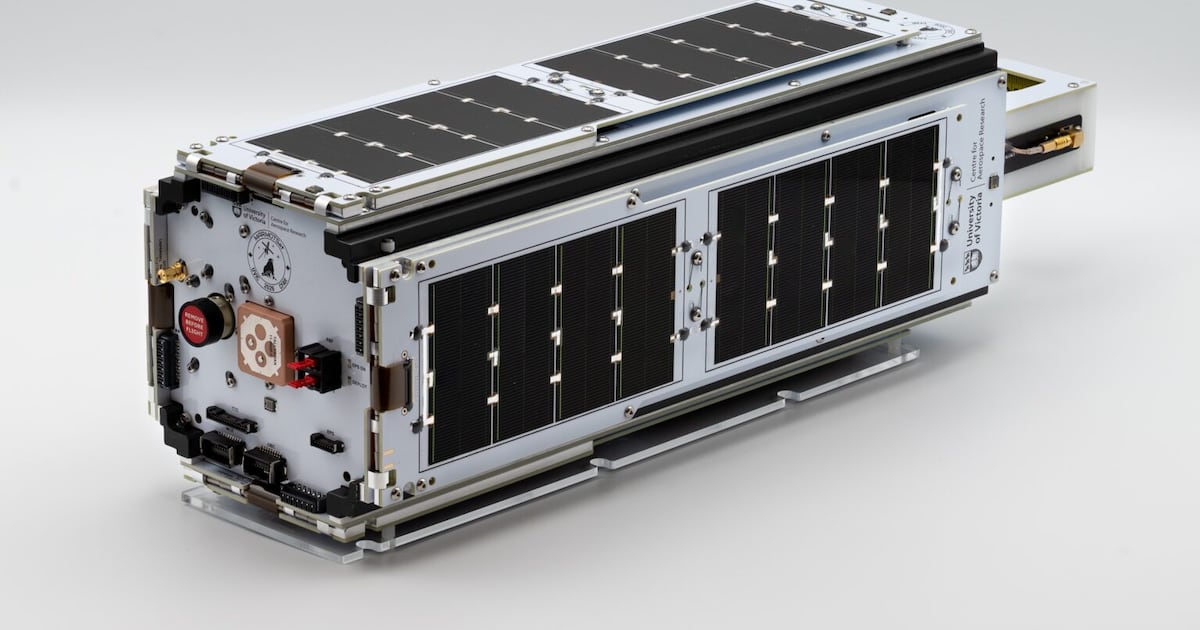
University of Victoria student-built satellite MARMOTSat to launch on SpaceX rocket
A student-built CubeSat from the University of Victoria, named MARMOTSat, is set to launch into orbit aboard a SpaceX rocket from California
 ctvnews.ca·5h ago
China approves space computing initiative to build orbital AI data centers, competing with Musk's SpaceX
China has quietly approved the Space Computing Industry Innovation Center, a government-backed initiative to unite rocket manufacturers, sat
 tomshardware.com·13d ago
MIT's dual-mode propulsion system using single propellant set for NASA in-space test
MIT researchers have developed a dual-mode propulsion system for small satellites that uses a single propellant for both chemical and electr
 space.com·25d ago
Scientists create and study zero-gravity glass aboard the International Space Station
Scientists conducted an experiment on the International Space Station to create and melt glass in zero-gravity conditions. The research aims
 interestingengineering.com·1mo ago
MIT develops dual-mode propulsion system using single propellant for small spacecraft
MIT engineers have developed a dual-mode propulsion system for small satellites that uses a single green monopropellant (originally develope
 gizmodo.com·29d ago
Comments
Sign in to join the conversation.
No comments yet. Be the first.