
























How Wearables and Social Media Are Reshaping the Doctor-Patient Relationship
By
Rachel Martin
Summary
The article examines how wearable devices and social media are transforming the traditional doctor-patient relationship into a more collaborative, two-way conversation. It highlights recent studies from Yale School of Medicine on how people interact with wearables, noting that patients increasingly bring their own health data (fitness, heart rate, sleep patterns) to clinical visits. This shift empowers patients to take a more active role in their care while also presenting challenges for clinicians in interpreting and integrating patient-generated data into medical decision-making.
Source

 Twitter / XHow Wearables and Social Media Are Reshaping the Doctor-Patient Relationshipm.yale.edu
Key quotes
· 3 pulledToday's patient-physician relationship has evolved into a two-way conversation, where patients bring their own data, questions, and perspectives into their own care.
Data from wearable devices can be valuable for individuals, health researchers, and clinicians, as it provides ongoing insights into a person's health throughout daily life, instead of only during occasional visits.
Researchers at Yale School of Medicine recently published two studies that offer new insights into how people interact with wearable devices and health-related data.
You might also wanna read


The quantified self: How wearable devices turn daily life into a stream of health nudges and corrections
The article explores how wearable health devices and sensors are transforming everyday life into a constant stream of data, notifications, a
 digitaltrends.com·13d ago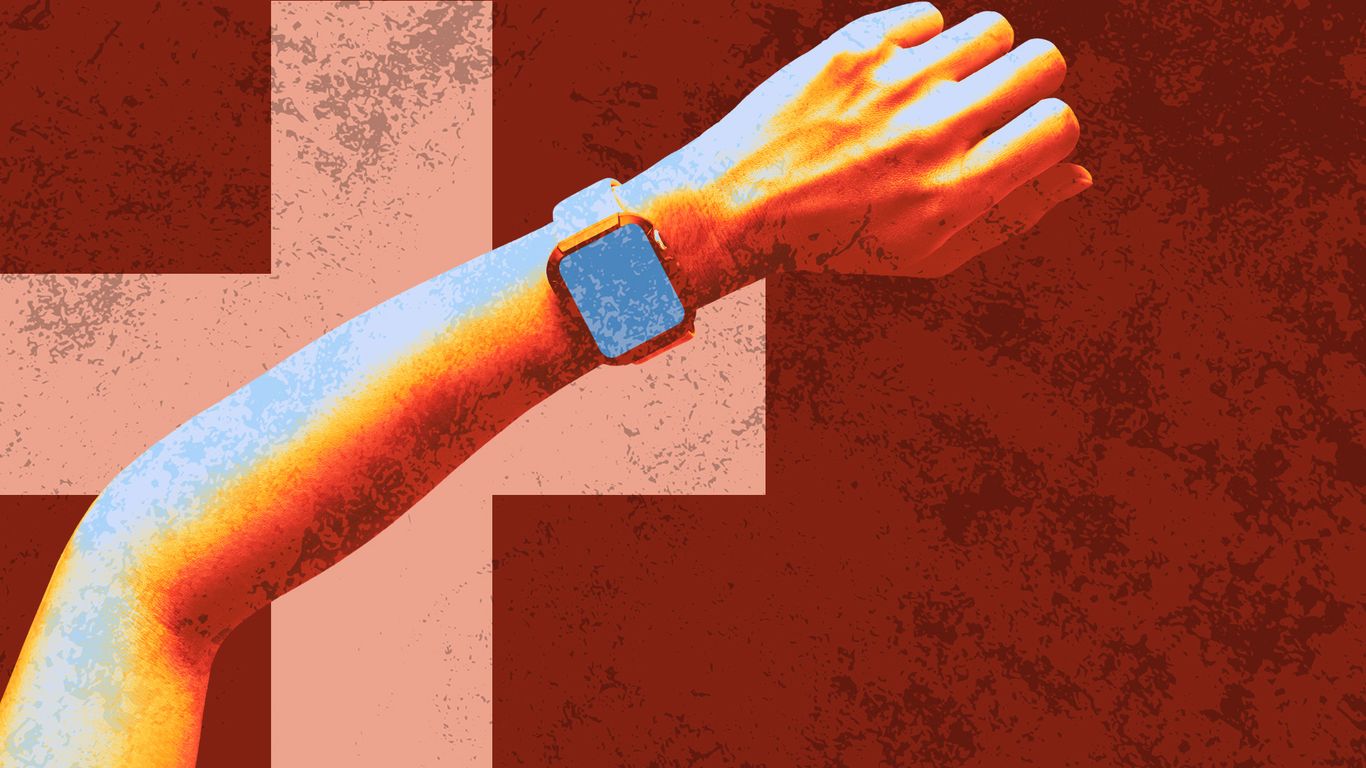
Privacy risks grow as wearable devices connect to medical records outside HIPAA protection
Health tech companies are increasingly promoting patient data sharing between wearables and medical records, but this raises privacy concern
 axios.com·8d ago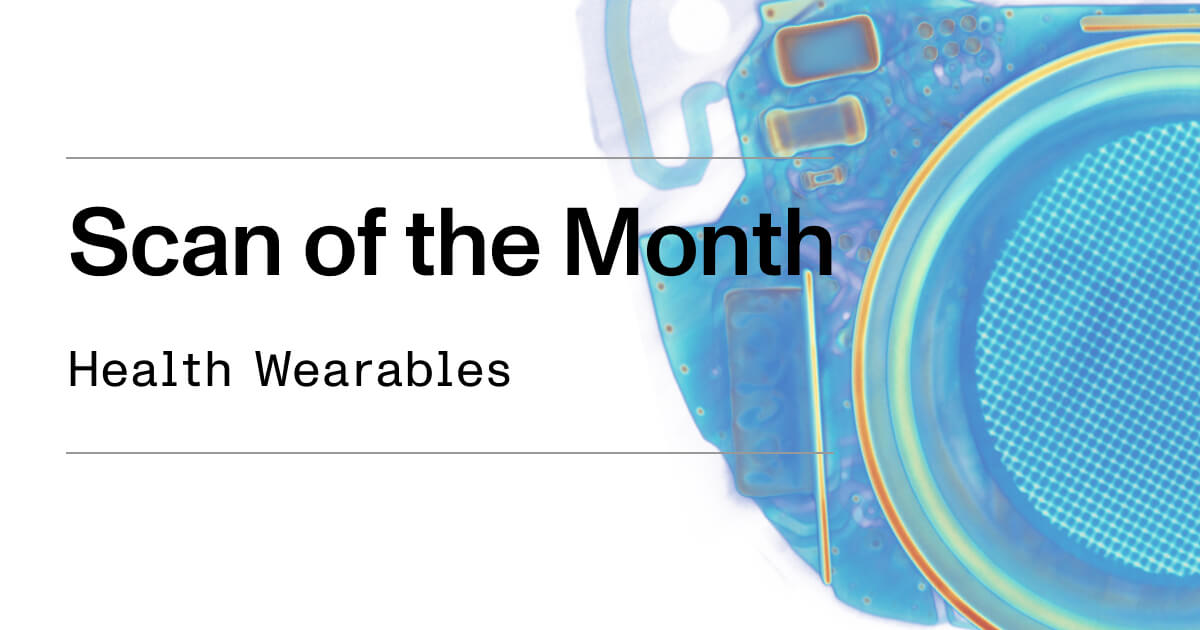
Engineering Analysis of Health Wearables: How Medical Devices Balance Precision and Consumer Design
The article explores the engineering and design behind modern health wearables like Oura Ring, Dexcom G7, Omnipod, and Jabra Hearing Aids, u
 lumafield.com·4mo ago
Understanding the Context Behind Wearable Sensor Data
The article discusses the potential of wearable devices like smartwatches and fitness trackers to capture extensive health data but highligh
 research.google·11mo ago
Who really owns your health data? The privacy risks of smartwatches and smart rings
This article examines the privacy and data ownership implications of modern health wearables like smartwatches and smart rings. It explores
 zdnet.com·24d ago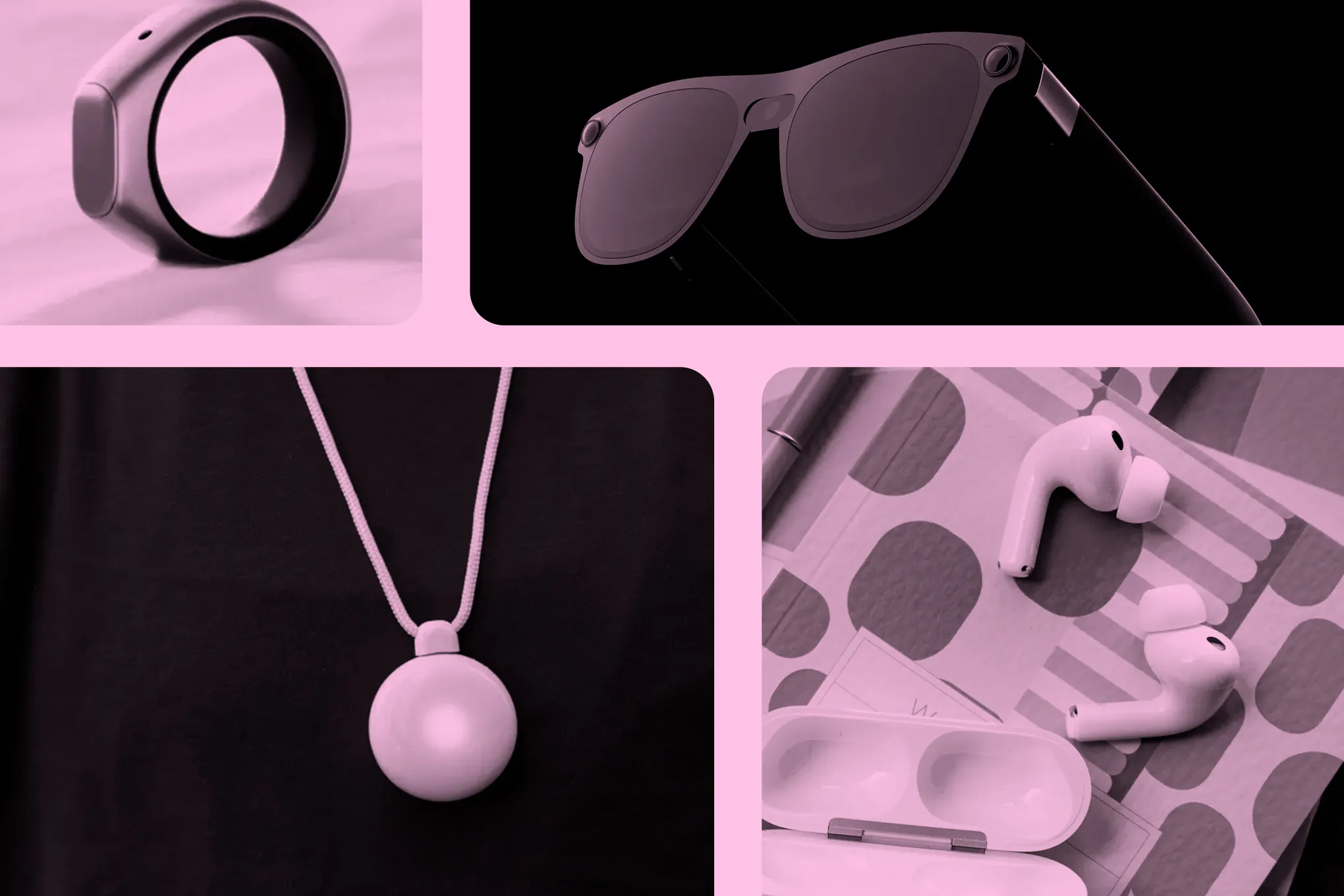
Wearable Technology's 2025 Shift: From Health Tracking to AI Integration
The article discusses how 2025 marked a significant shift in wearable technology from primarily health and fitness applications to becoming
 The Verge·6mo ago
Comments
Sign in to join the conversation.
No comments yet. Be the first.