
























Robin study suggests fleeing isn't necessarily wildlife's first response to wildfire smoke
9h agoen
Source
PhysRobin study suggests fleeing isn't necessarily wildlife's first response to wildfire smokephys.orgResearch by Oregon State University biologists suggests that toxic air stemming from wildfires won't necessarily prompt animals to flee in search of better breathing conditions. The study of American robins led by OSU's Jamie Cornelius is one of the few to examine how wildfire smoke, an increasingly common phenomenon as annual fire seasons become longer and more intense, affects animal behavior. OSU research associate Alex Jahn and graduate students Dorothy Zahor and Ken Glynn also worked on the study.
You might also wanna read


Study finds Swedish birds largely unfazed by prescribed fires, continue normal behavior
This article examines how birds respond to prescribed fires in Sweden, based on observations at two controlled burn sites. The research foun
 onlinelibrary.wiley.com·1mo ago
America's Coming Smoke Epidemic
theatlantic.com·1y ago
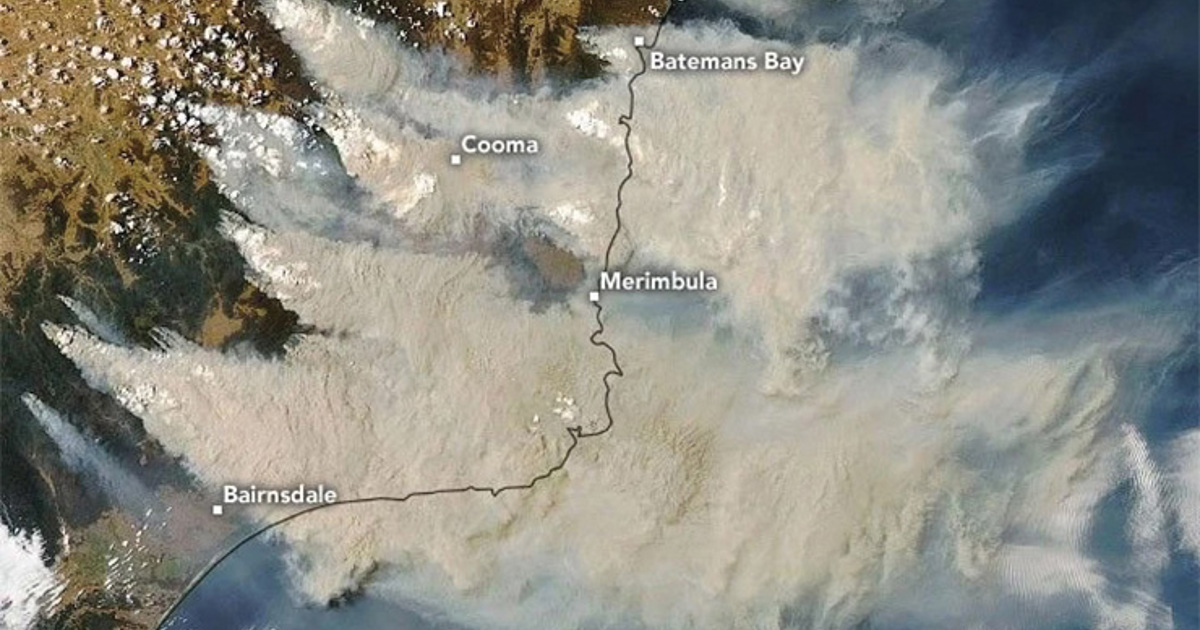
New Physics Model Explains One-Directional Smoke Vortices from Australian Wildfires
Matthew Francis discusses a new scientific paper that investigates the unusual one-directional circulation of wildfire smoke vortices observ
 siam.org·1mo ago
ACS: Three discoveries spark awareness of fireworks’ environmental impact
mavensnotebook.com·1d ago

Study finds prescribed burns reduce wildfire severity and improve long-term air quality in California
This article examines research by Higuera-Mendieta et al. on the air quality impacts of prescribed burns (low-severity fires) in California.
 science.org·26d ago
Lessons from rapid response research on water resilience in wildfire-affected communities
This article examines how wildland-urban interface (WUI) fires threaten water resources including drinking water supplies, treatment infrast
 frontiersin.org·25d ago
Comments
Sign in to join the conversation.
No comments yet. Be the first.