
























Implementing Ringed Canary Deployments on AKS with Azure Developer CLI, Bicep, Helm, and ArgoRollouts
By
Luke Murray
Summary
This article details how to implement ringed (canary) deployments for Azure Kubernetes Service (AKS) using Azure Developer CLI (AZD), Bicep, Helm, and ArgoRollouts. The author shares their experience building a Fan Intelligence proof-of-technology for the FIFA World Cup 2026, emphasizing the need for safe, multi-region deployment strategies with health gates and instant rollback capabilities. The post provides a technical walkthrough of setting up progressive delivery pipelines that minimize blast radius and ensure high availability for mission-critical applications serving millions of users.
Source

 bskyImplementing Ringed Canary Deployments on AKS with Azure Developer CLI, Bicep, Helm, and ArgoRolloutsluke.geek.nz
Key quotes
· 3 pulledWhen you have millions of fans receiving real-time notifications during a live match, the last thing you want is a bad deploy taking down a region.
The default approach for a lot of Kubernetes projects is kubectl apply and hoping for the best. That works for a dev cluster. It does not work when your RTO is measured in minutes and your blast radius spans multiple continents.
This post covers the ringed deployment pipeline
You might also wanna read


Production Container Deployment with Podman Quadlets and Systemd Integration
This article provides a practical guide for deploying production-grade container applications using Podman Quadlets and systemd integration,
Using Helm with Kubernetes - A Guide to Helm Charts and Their Implementation

Using Snyk to implement end-to-end DevSecOps on Microsoft Azure
Microsoft Develops Azure Linux for Cloud Infrastructure and Edge Services
Microsoft has developed Azure Linux, an internal Linux distribution designed specifically for Microsoft's cloud infrastructure and edge prod
 github.com·1mo ago
Microsoft Develops Azure Linux for Cloud Infrastructure and Edge Services
Microsoft has developed Azure Linux, an internal Linux distribution designed specifically for Microsoft's cloud infrastructure and edge prod
github.com·1mo agoImplement Workload Identity in AKS
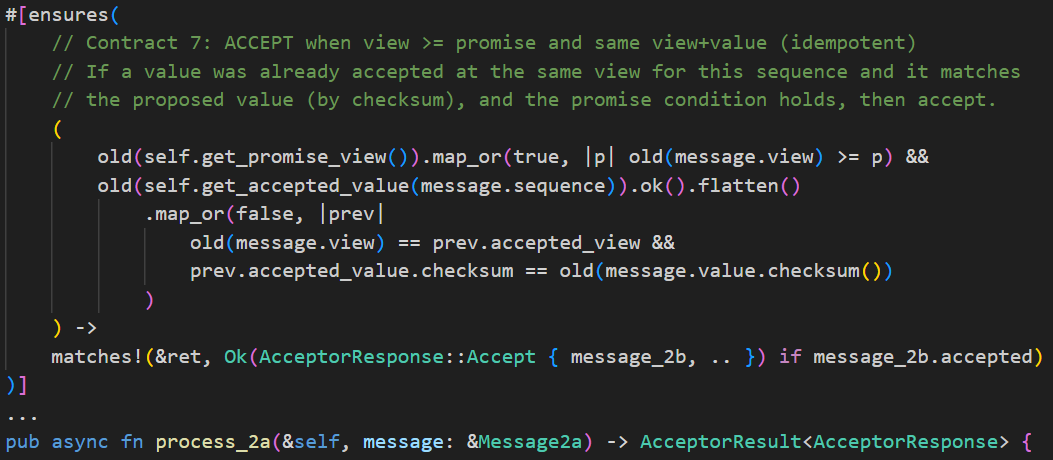
Building a Rust Multi-Paxos Engine with AI: Lessons from 130K Lines of Code
A developer shares their experience building a 130K-line Rust-based multi-Paxos consensus engine using AI coding agents over ~3 months. The
Comments
Sign in to join the conversation.
No comments yet. Be the first.