
























Rewriting OpenFGA Authorization System in Pure PostgreSQL for Better Database Integration
TL;DR: We rewrote parts of OpenFGA in pure Postgres to make it easier to keep our authorization system up-to-date with our main database.
Read the full articleYou might also wanna read
The Gold Standard, Evolved: What's New with PostgreSQL and Why It's Still Your Go-To Database
A journey through the PG Ecosystem since 2020
Engineers Detail Technical Hurdles of Rewriting PostgreSQL Database Engine in Rust
Developers attempting to rewrite PostgreSQL in Rust have documented significant technical challenges, including a 12–15% CPU overhead introd
pgrust Project Rewrites PostgreSQL in Rust, Passes Full Regression Test Suite
pgrust is an experimental open-source project that aims to completely rewrite the PostgreSQL database engine in Rust, replacing its decades-

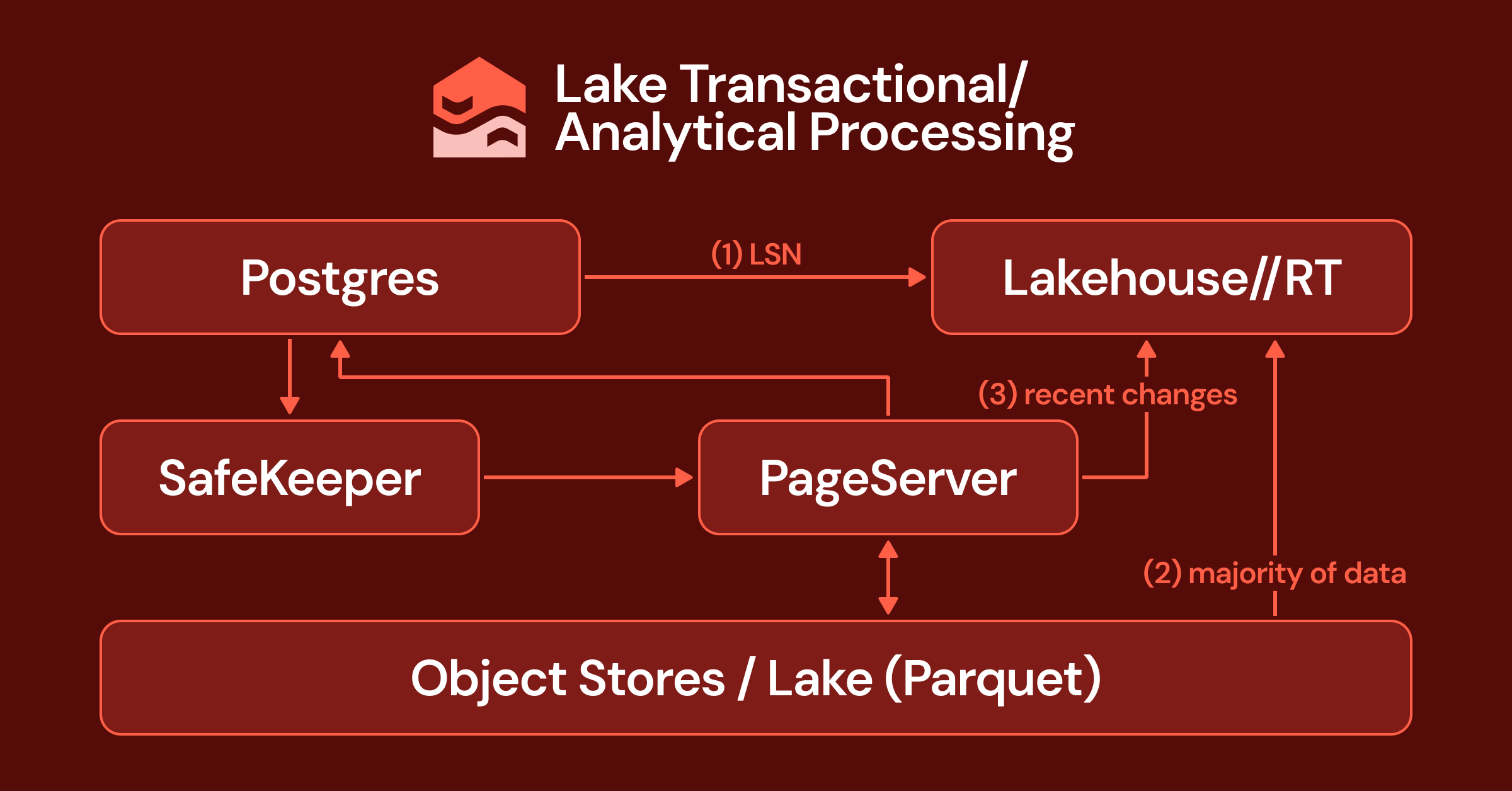
Rethinking database architecture: From monolithic storage to Lakebase and LTAP
* Almost every traditional database keeps its write-ahead log and data files on one machine's disk, which is the root cause of data loss ris
 databricks.com·16d ago
Rethinking database architecture: From monolithic storage to Lakebase and LTAP
* Almost every traditional database keeps its write-ahead log and data files on one machine's disk, which is the root cause of data loss ris
databricks.com·16d ago
Postgres evolves from storage system to data movement hub as AI and interoperability reshape its future
Postgres is evolving from a system of record into a hub for data movement. Here's how interoperability and AI are reshaping its future.
 thenewstack.io·20d ago
PgRust: AI-Coded Rust Rewrite of PostgreSQL Passes 100% of Tests
Former Heap CEO Malcolm Matis has announced pgrust, a complete Rust rewrite of PostgreSQL that successfully executes all 46,000 queries in t
Comments
Sign in to join the conversation.
No comments yet. Be the first.