
























Researchers link the mass extinction of once-dominant marine groups to intolerable heat, diminished oxygen in oceans
A new Stanford-led study offers the clearest picture yet of how some ocean life survived our planet's biggest mass extinction while most animals did not. About 252 million years ago, 96% of marine…
Read the full articleYou might also wanna read


Researchers Confirm The Cause Of Earth’s Biggest Mass Extinction
[Stanford University] A new Stanford-led study offers the clearest picture yet of how some ocean life survived our planet’s biggest mass ext
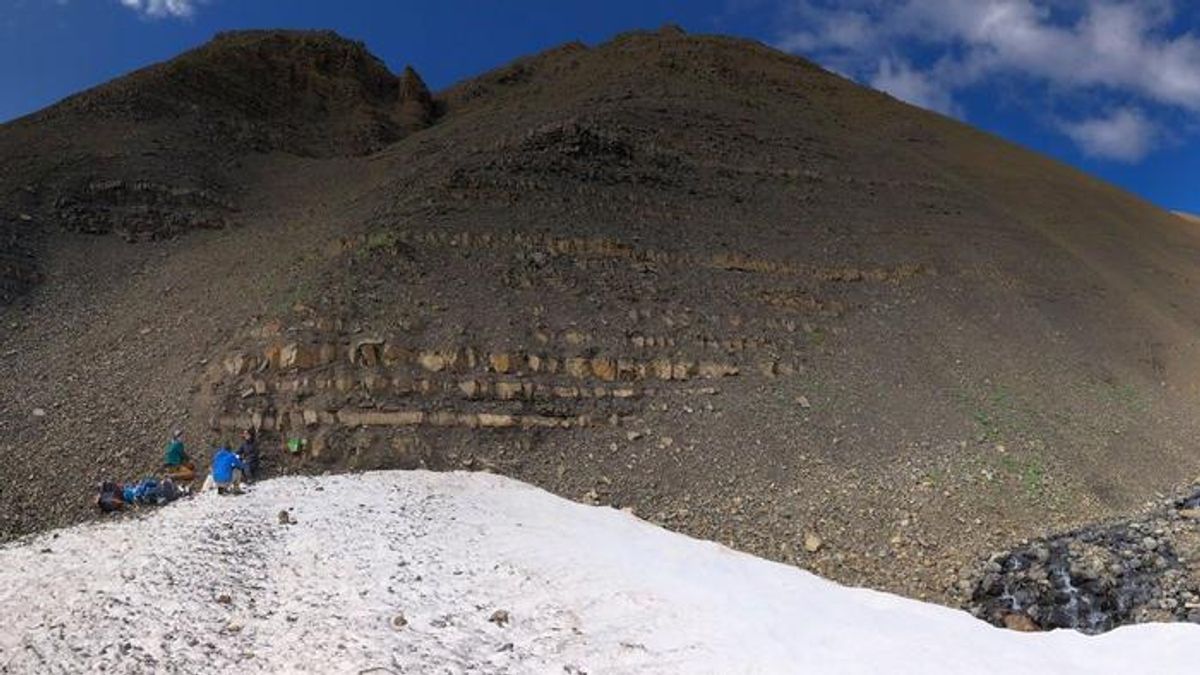
Alaskan Rock Study Shows Oceans Lost Oxygen 8 Million Years Before End-Triassic Mass Extinction
Learn how Earth’s oceans started losing oxygen in Alaska’s ancient rocks 8 million years before the end-Triassic mass extinction, a detail t
 discovermagazine.com·1mo ago
The Permian Analogy: Climate Literacy and the Urgency We Cannot Grasp
The Permian period ended about 250 million years ago with the largest recorded mass extinction in Earth’s history, when a series of massive
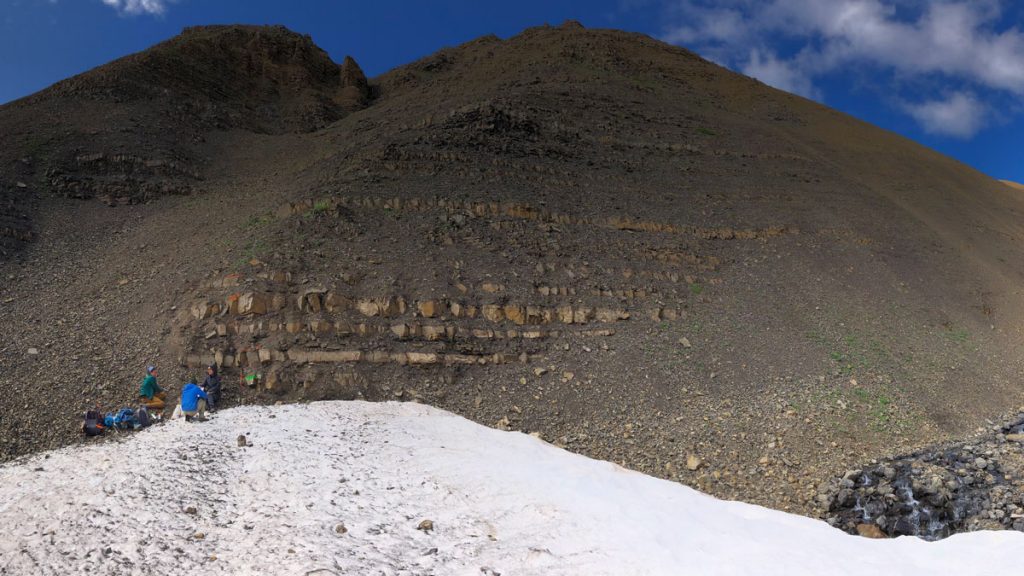
Oceans lost oxygen 8 million years before end-Triassic mass extinction, study finds
Oceans began losing oxygen nearly 8 million years before the end‑Triassic mass extinction, according to new research. The findings could off
 news.vt.edu·1mo ago
Metabolic vulnerability confirmed as cause of Earth’s biggest mass extinction
A study led by Stanford University has provided the clearest explanation yet for how the "Great Dying", the Permian–Triassic mass extinction
Scientists finally solved the mystery of Earth's greatest mass extinction
Why do beaches today have seashells from clams and snails instead of brachiopods? A new study suggests the answer lies in Earth's greatest m
Comments
Sign in to join the conversation.
No comments yet. Be the first.