
























Researchers Achieve Largest Fluid Dynamics Simulation Using El Capitan Supercomputer
Researchers used Lawrence Livermore National Laboratory's (LLNL) exascale supercomputer El Capitan to perform the largest fluid dynamics simulation ever — surpassing one quadrillion degrees of…
Read the full articleYou might also wanna read
Designing high density data centers: Computational fluid dynamics analysis eliminates costly guesswork
As data centers and crypto-mining facilities expand to handle growing digital demands, keeping massive banks of servers cool has become a pr

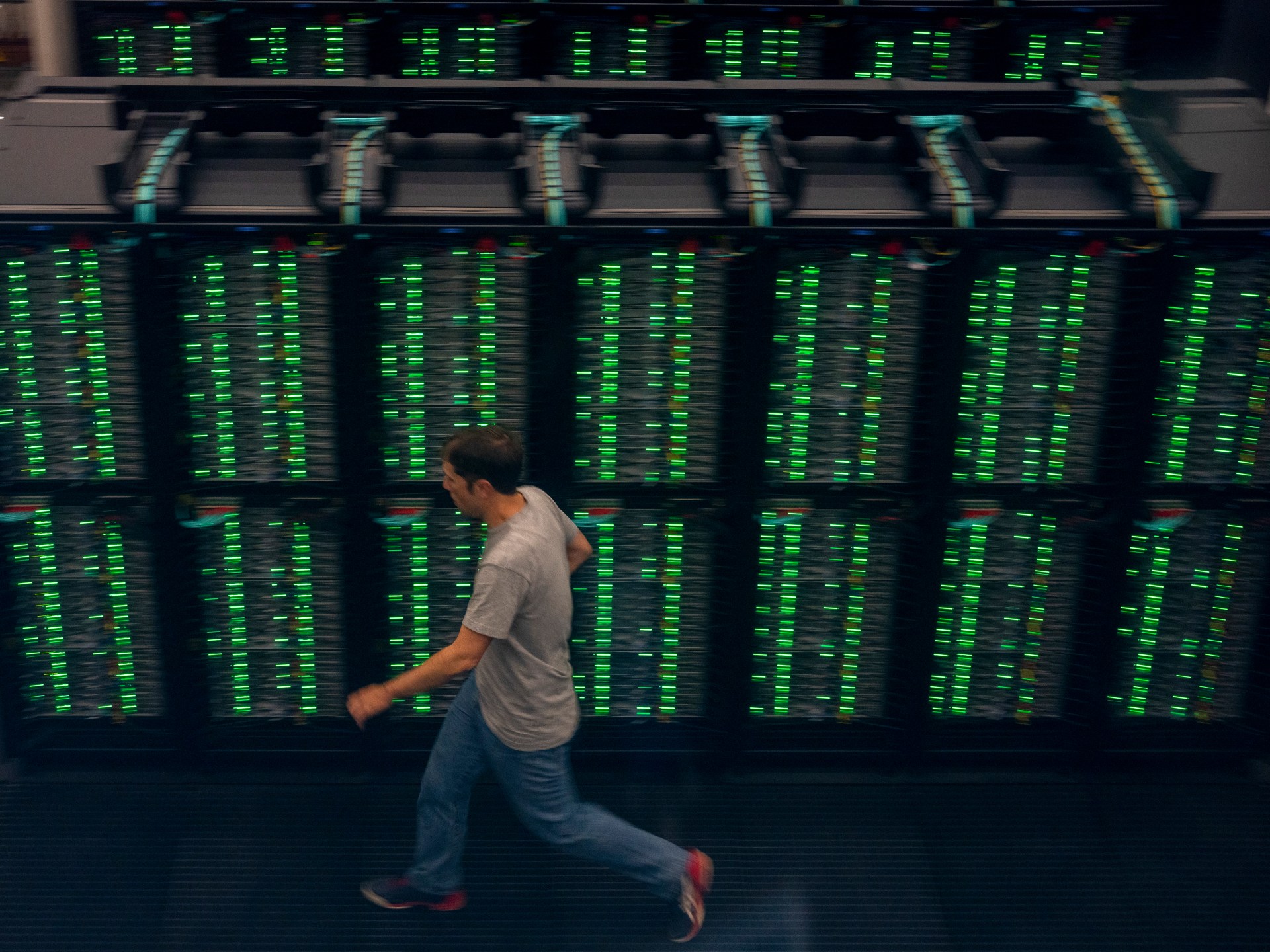
China's LineShine supercomputer tops global ranking, overtaking US-based El Capitan
China’s LineShine overtakes US-based El Capitan as most powerful supercomputer, according to the TOP500 list.
 aljazeera.com·23d ago
At ISC, JUPITER Shows What Exascale Science Looks Like
JUPITER, Europe’s first exascale supercomputer at Germany’s Forschungszentrum Jülich, runs on NVIDIA Grace Hopper Superchips and NVIDIA Quan

China reclaims Top500 supercomputer lead with 2.2 exaflops native system
After years of abstinence, China is back. With its processor, its interconnect, and its own operating system, it takes first place on the To
 heise.de·25d ago
Los Alamos tests NVIDIA Vera CPUs for supercomputers targeting 12x faster performance
Los Alamos National Laboratory has taken another step toward its next generation of supercomputing after...

LLNL Combines HPC and Machine Learning to Accelerate Battery Design
July 17, 2026 — For grid-scale energy storage and national energy resilience, the U.S. needs better batteries. Lawrence Livermore National L
Comments
Sign in to join the conversation.
No comments yet. Be the first.