
























Replacing Oil Pan in 2003 Honda Civic: Step-by-Step Guide
Source
cycookery.comReplacing Oil Pan in 2003 Honda Civic: Step-by-Step Guidecycookery.comChanging the oil pan on a 2003 Honda Civic is a complex task that requires a range of tools and a good understanding of car mechanics. The oil pan is located on the bottom of the engine and is used to hold the engine oil. To change the oil pan, you will need to jack up the car, remove the mounting bolts, drain the oil, and replace the old oil pan with a new one. You will also need to clean the mating surfaces on the engine block and apply a new gasket or sealant. This task can be difficult and time-consuming, so it is recommended that you have some experience with car repairs before attempting it yourself. Characteristics Values Year 2003 Model Honda Civic Engine D17A2 VTEC Oil Pan Material Steel or Aluminium Oil Pan Depth 6 In. Oil Pan Width 9.65 In. Drain Plug Thread Size M14x1.5 Bolt Hole Quantity 18 Labor Cost $254-$320 Parts Cost $364-$371 What You'll Learn Jack up the car and drain the oil Remove the oil pan bolts Clean the engine block Apply sealant to the new oil pan Reattach the oil pan and refill the oil Jack up the car and drain the oil Jacking up your car is the first step to replacing the oil pan on your 2003 Honda Civic. You will need a jack and a jack stand to do this. First, locate the jacking point on the driver's side of your Civic. It's just behind the front wheel. Place the jack beneath the jacking point so that, upon contact, the jacking point will be centred on the jack. You only need to jack up the driver's side of the car, as the oil drain plug is on this side. However, it can be helpful to jack up both sides. Lift the car high enough so that you can fit the jack stand beneath it, next to the jack. Ensure that the jack stand is centred beneath the frame so that when the car is lowered, it will sit evenly on the stand. Slowly lower the car so that the frame is resting securely on the stand. Continue lowering the jack to remove it from under the car. Never work underneath a car that is only supported by a jack. The jack can slip or fail, resulting in serious injury. Now that your car is safely jacked up, you can begin to drain the oil. Locate the 17mm hex drain plug on the driver's side of the oil pan, facing the rear of the car. Place an oil drain pan beneath the drain plug to catch the oil. Use a 17mm box-end or socket wrench to loosen the drain plug. When it's loose enough, remove the wrench and then the plug, and let the oil drain. Be sure to wear protective gloves and eyewear when performing this task. If the car has been running recently, the oil, transmission and exhaust may be hot. Keep some rags or towels close by in case of spills. When the oil has finished draining, wipe the drain plug with a clean towel. Do not reuse the compression washer; always replace it with a new one. Once you've tightened the new washer, it's considered used. Pan-roasted Chicken Perfection You may want to see also Remove the oil pan bolts To remove the oil pan bolts from your 2003 Honda Civic, you'll need to follow a few steps. First, jack up the car and place it on jack stands for support. Ensure you place the jack at the jacking point, which is located on the driver's side of the car, just behind the front wheel. Place the jack stand beneath the car next to the jack, centring it under the frame. Now, locate the oil pan bolts. There should be 8 or 10 bolts holding the oil pan in place. These are typically 10mm bolts, and you'll need a long socket to reach them. Remove the bolts with a socket wrench. At this point, the oil pan should be ready to come off. Some people report that it will just fall off, so be careful and ensure no one is standing underneath the car. If the oil pan does not come off easily, you may need to gently pry it off. Use a large wrench on the corner tabs of the pan and yank gently. You can also try tapping or slapping the pan with a rubber mallet to loosen it. Be careful not to damage the pan or any surrounding components. Once the oil pan is removed, you can proceed to clean the engine block and prepare for the installation of the new oil pan. Restore Non-Stick Pans: Vinegar Soak Method You may want to see also Clean the engine block To clean the engine block of your 2003 Honda Civic, you will need to gather some tools and materials. These include a garden hose or high-pressure water hose, engine degreaser, a stiff-bristled brush, laundry soap, soft rags, smaller brushes, lubricating oil spray, automatic transmission fluid, paper towels, and clean motor oil. Additionally, ensure you have safety goggles and rubber gloves for protection. Begin by spraying the entire engine block, including water and oil passages, with the engine degreaser. Allow the degreaser to soak for the amount of time specified on its product label. Next, use the stiff-bristled brush to scrub the entire engine block, loosening any built-up dirt and grime. Pay special attention to the water and oil galleries, ensuring they are thoroughly scrubbed. Once the engine block is scrubbed, it's time to rinse. Use your garden hose or high-pressure water hose to rinse off the entire block, including the water and oil galleries, to remove any remaining degreaser and loosened debris. After rinsing, dry the engine block thoroughly with compressed air to prevent rust from forming. Now, it's time to focus on the cylinder bores and machined surfaces. Use a light oil, such as WD-40, to coat these areas and prevent rust. You can also use lubricating oil spray for this purpose, ensuring that all interior and exterior surfaces of the engine block are coated. The next step is to wipe down the cylinder bores with automatic transmission fluid applied to paper towels. Repeat this process until all dirt and grime are removed. Finally, coat the cylinder bores with clean motor oil. If you plan to paint the engine block, cover it with a plastic bag until you are ready for the painting process. Remember, cleaning an engine block is a challenging task, and it may need to be repeated several times to thoroughly remove all built-up grease and grime. It is important to perform this job with the engine out of the car and mounted on an engine stand for easier access and thorough cleaning. Circulon Pans: Is Your Food Safe? You may want to see also Apply sealant to the new oil pan To apply sealant to the new oil pan of your 2003 Honda Civic, follow these steps: Firstly, you will need to ensure that the mating surfaces of both the engine block and the oil pan are clean. Use a razor blade or box cutter to gently scrape away any excess Hondabond or residue from the engine block. Be careful not to gouge into the metal of the engine block. Then, use brake cleaner or a similar product to thoroughly wipe down the engine block. It is important to ensure that the mating surfaces are as clean as possible to allow the new sealant to bond correctly. Next, apply the sealant to the new oil pan. Use a thin bead of Hondabond or a similar product, applying it in a 2mm bead around the entire surface of the oil pan where it will bolt onto the engine block. Be sure to apply the sealant around all the holes for the bolts. Once the sealant is applied, you will need to work quickly as it will begin to harden within 15 minutes. Carefully position the new oil pan into place, being cautious not to get sealant on other components, especially engine components. Start placing the nuts onto the engine block to secure the pan, working slowly and carefully, and alternating between the front, back, left, and right sides of the block to ensure even pressure. Once all the nuts are in place and finger-tight, use a wrench to give each a quarter-turn to tighten them further. Be careful not to over-tighten the bolts, as this can cause leaks. Finally, refer to the Honda manual or a reliable online source to ensure that the bolts are tightened to the correct torque requirement. For a 2001 Civic with a D17A2, -A5, -A8, or -A9 vtec engine, the torque requirement is 8.7 ft/lbs or 12 Nm. The Ultimate Guide to Removing Stubborn Stains from Pans You may want to see also Reattach the oil pan and refill the oil Once you have the new oil pan in place, you'll need to reattach it and refill the oil. First, make sure the mating surfaces on both the engine block and the oil pan are clean. Then, apply a new gasket or sealant according to the manufacturer's instructions. Some vehicles have a paper gasket, while others may only require an application of sealant. Once the pan is installed, refill the engine oil to the correct level and check for leaks to ensure a proper repair. If you're using a paper gasket, make sure the holes for the bolts in the gasket and pan match each other before installing. Then, tighten the screws or bolts until they start to snug. If you're using sealant, run a bead of the sealant used to hold the fiber gasket to the new oil pan and install the gasket. Again, make sure the holes for the bolts in the gasket and pan match each other before installing. Then, tighten the screws or bolts until they start to snug. Once the oil pan is reattached, you'll need to refill the oil. Place a clean plastic funnel in the oil filler opening and pour in about 3.7 quarts of 5W-20 new motor oil. It's better to add too little at first because it's always easier to add more rather than drain the extra oil. Once you're done, screw back in the oil filler cap so that it's a snug fit. Locate your orange dipstick and remove it to check the oil level. The oil level should be between the two holes, or slightly above. If it's too low, you can add more oil. If it's slightly above, don't worry; some will drain into the new filter. If it's significantly above the maximum level, you'll need to drain some oil. Before driving anywhere, start the car and let it run for a couple of minutes. While the engine is running, check underneath the car for any oil leaks. If oil is dripping from the drain plug, first check for any cracks in the drain pan. If there are no cracks, you can turn off the car and tighten the drain plug. Also, check again that the oil level has not gone outside the limits while the car was on. A Hearty Hot Pot Feast: Finding the Perfect Group Size You may want to see also Frequently asked questions How do I know if my oil pan needs changing? If you have an oil leak underneath the engine of your car, the oil pan may be damaged. The oil will range from dark brown to dark black. If the leak is large enough, or goes on for long enough, the oil level will be low enough to turn the oil pressure or low oil level warning light on. Can I drive with an oil pan problem? You can drive with caution if the oil level is low, but you should get the car to a safe location off the road as soon as possible. If the oil level or low pressure light is on, take the car to a gas station or repair shop. How often do oil pans need to be replaced? Oil pans rarely need to be replaced and they most often last for the life of the vehicle. They are usually replaced on an as-needed basis. How do I replace the oil pan myself? First, drain the oil and remove the oil pan from the engine. This may require raising the vehicle or removing the front subframe. Clean the mating surfaces on both the engine block and the oil pan and apply a new gasket or sealant. Once the pan is installed, refill the engine oil to the correct level and check for leaks.
You might also wanna read

Three-Year Update: Reverse Engineering the 2021 Honda Civic Headunit Reveals AOSP Test Key Usage
A three-year project update on reverse engineering the headunit of a 2021 Honda Civic. The author details progress in understanding Honda's
juniperspring.org·24d ago电子布价格连涨,产业链上游高端织机紧缺
36氪·2d ago

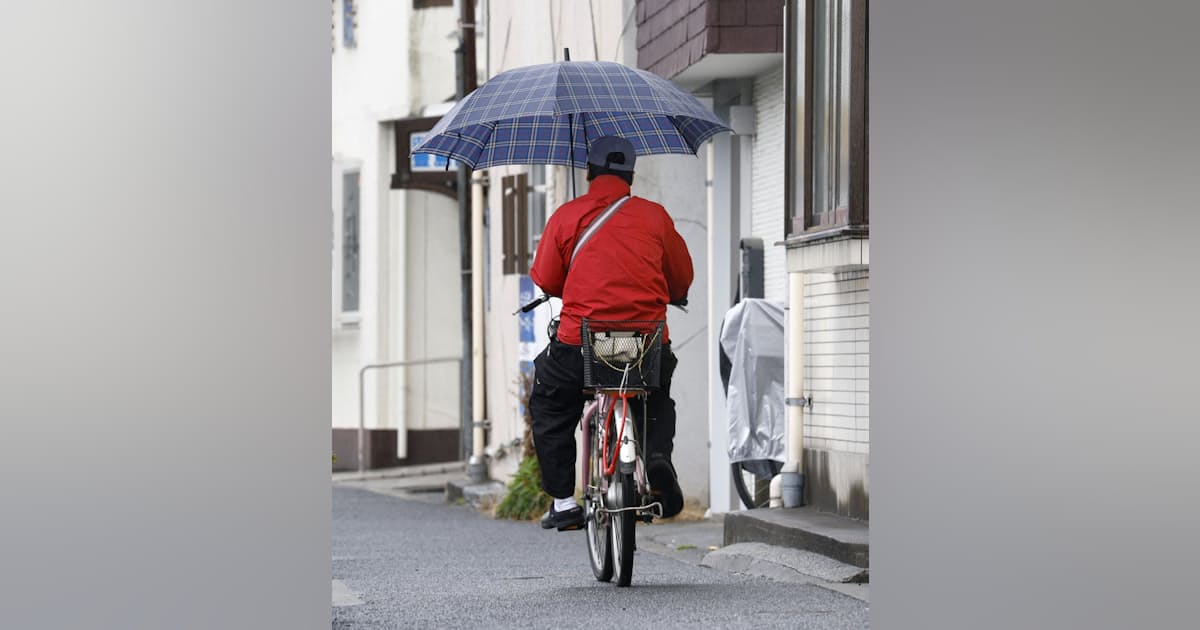
自転車「傘差し運転」は青切符対象、指導警告が基本 梅雨の季節注意
nikkei.com·1mo ago
Ferrari Is Finally Going Electric. Will the Purists Buy It?
nytimes.com·1mo ago

ペット連れレジャー需要拡大、西武園ゆうえんちの犬イベントが想定1.5倍の集客
西武園ゆうえんちが2026年5月に開催した犬連れ客向けイベント「わんわん西武園ゆうえんち」が想定の1.5倍となる約2400匹の犬と約3500人の来園者を集めた。この成功はペット連れ旅行・レジャーの需要拡大を示しており、星野リゾートなど他の企業もペット同伴サービスに商機を見出してい
nikkei.com·18d ago

KINTO調査:地方Z世代のクルマ離れ意識が4年で倍増の47%、車両価格と維持費の高さが背景
KINTO(トヨタ自動車グループ)の調査により、18〜25歳のZ世代でクルマ離れの意識が急速に進んでいることが明らかになった。特に地方在住のZ世代では「クルマ離れ」意識が4年で倍増し47%に達した。背景には車両価格や維持費の高さがあり、サブスクリプション型の車利用サービスへの関心
nikkei.com·9d ago
Comments
Sign in to join the conversation.
No comments yet. Be the first.