

























New York Fed research finds remote work, not AI, is sidelining recent college graduates
By
Andrea Hsu
Summary
New research from the Federal Reserve Bank of New York challenges the prevailing narrative that AI is disrupting the job market for recent college graduates. Instead, the study finds that remote work is the primary culprit. An analysis of federal employment data and flexible work arrangements at a Fortune 500 tech company reveals that companies are less likely to hire recent graduates into roles that can be performed remotely, as employers are reluctant to onboard workers who need more training and mentoring when working from home.
Source

 bskyNew York Fed research finds remote work, not AI, is sidelining recent college graduatesnpr.org
Key quotes
· 3 pulledThe buzz on college campuses is that AI is disrupting the job market for young college graduates.
New research from the Federal Reserve Bank of New York finds that the culprit may be something else: remote work.
An analysis of federal employment data, paired with a deep dive into the flexible work arrangements at one unnamed Fortune 500 tech company, reveals that companies are less likely to hire recent college grads into occupations that can be performed remotely.
You might also wanna read

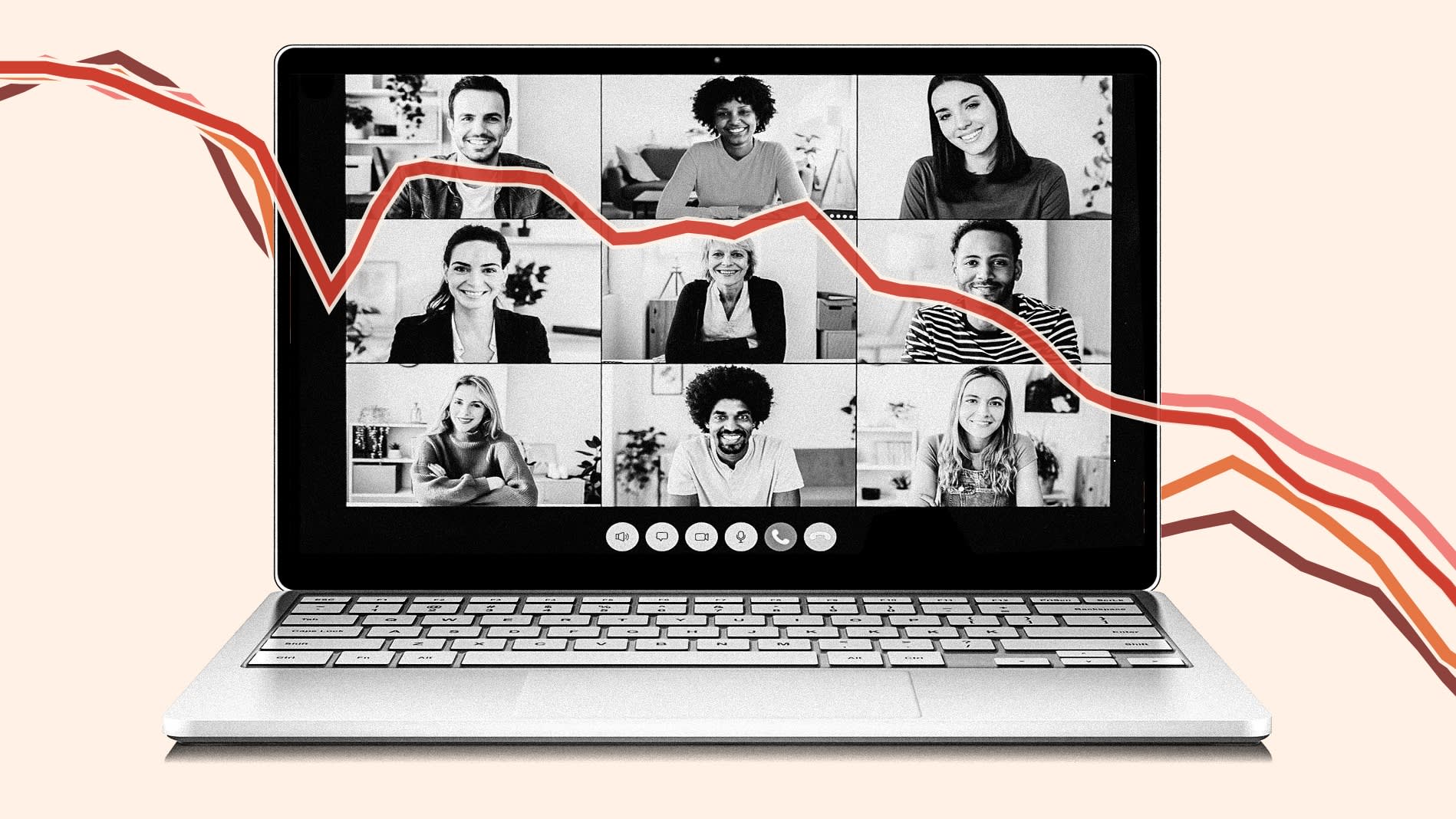
What if remote working, not AI, is to blame for weak junior hiring?
 ft.com·22d ago
Analysis: The Debate Over AI's Impact on Young People's Employment
This article examines the ongoing debate about whether artificial intelligence is already displacing jobs for young people and recent colleg
 derekthompson.org·9mo ago
New York Fed Report: AI Adoption Growing But Not Causing Significant Job Losses
A New York Federal Reserve report finds that while AI adoption has increased significantly among businesses in their district, the technolog
 money.usnews.com·9mo ago
Recent Graduates Face Tough Job Market Amid Tariffs and AI Disruption
Recent college graduates are struggling to find jobs in a sluggish labor market exacerbated by Trump-era tariffs and the rise of AI. Many de
 nbcnews.com·10mo ago
Research Study: Generative AI as Seniority-Biased Technological Change in U.S. Labor Markets
This research paper examines whether generative AI represents a form of seniority-biased technological change that disproportionately affect