
























Nebraska farmer uses regenerative agriculture and buffer strips to protect watershed and combat Gulf dead zone
By
Jessica Jewell
Summary
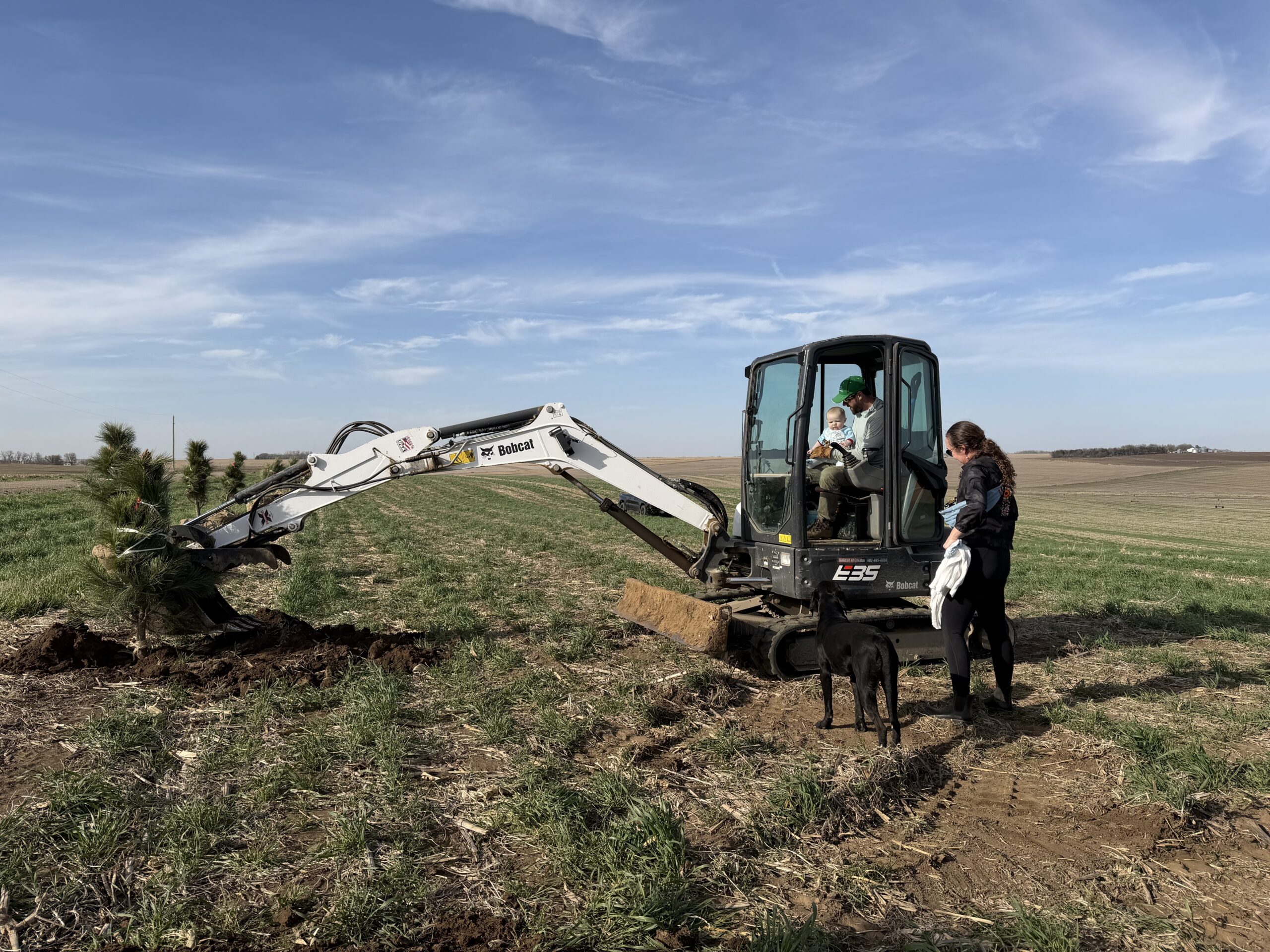
A short documentary from Water Hub highlights Christensen Farms in Nebraska, where farmer Graham uses regenerative agriculture practices like planting native prairie grass buffer strips along Bell Creek. These strips help protect downstream water quality in a vast watershed that feeds into the Mississippi River and Gulf of Mexico, where agricultural runoff has created a major dead zone. The piece showcases regenerative farming as a nature-based solution for healthy food and clean water.
Source
 bskyNebraska farmer uses regenerative agriculture and buffer strips to protect watershed and combat Gulf dead zonewaterhub.org
Key quotes
· 2 pulledAlong the farm fields lies Bell Creek, where Graham planted a 'buffer strip' of native prairie grasses as a nature-based hack to protect downstream communities and ecosystems.
Bell Creek flows to the Elkhorn River, to the Platte River, to the Missouri River, to the mighty Mississippi, and to the Gulf of Mexico, where agricultural fertilizer and chemicals have created one of the biggest dead zones on earth.
You might also wanna read


Graduate Develops Retrofit Rainwater Harvesting System to Combat Water Scarcity
Northumbria University graduate Hope Underwood has developed a retrofit rainwater harvesting system called 'Mains to Rains,' designed to div
 Dezeen·10mo ago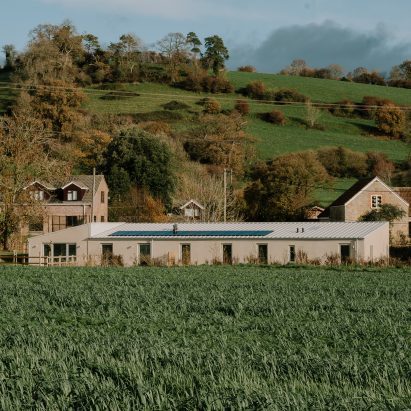
Bindloss Dawes Transforms Former Tractor Shed into Sustainable Rural Home in Dorset
Architecture studio Bindloss Dawes has transformed a disused tractor shed in rural Dorset, UK, into a light-filled, low-carbon residential h
Dezeen·5mo ago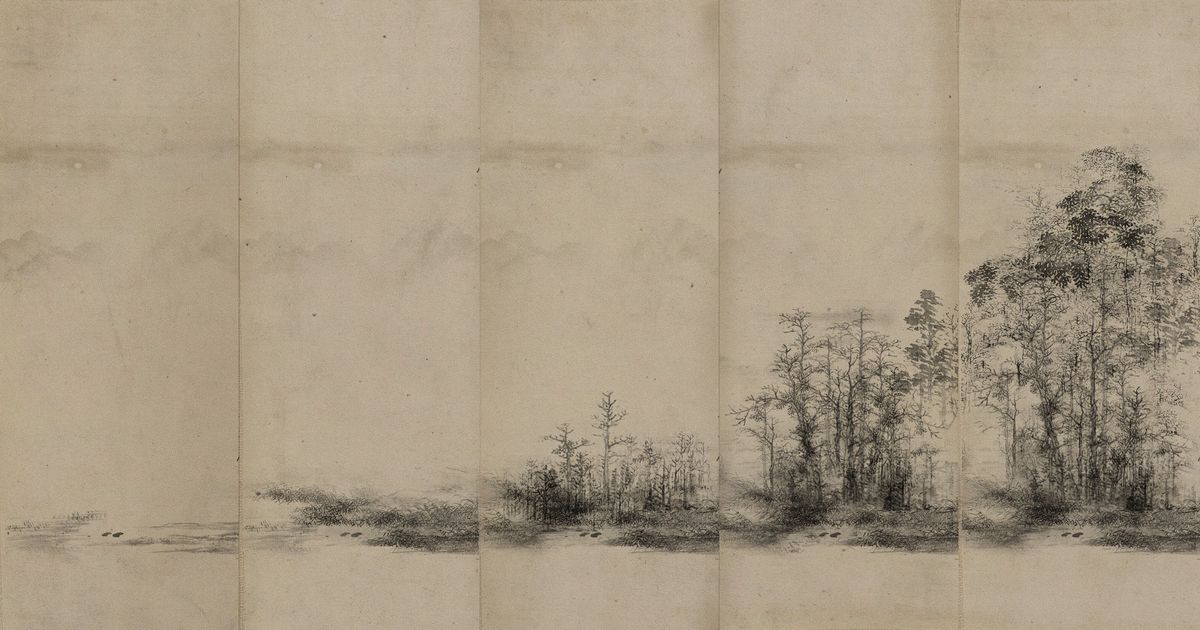
How the Miyawaki Method Creates Dense Urban Micro Forests to Restore Biodiversity
The article covers the Miyawaki method of reforestation, which involves planting small, densely packed native forests in urban areas to rapi
 Ambrook·1mo ago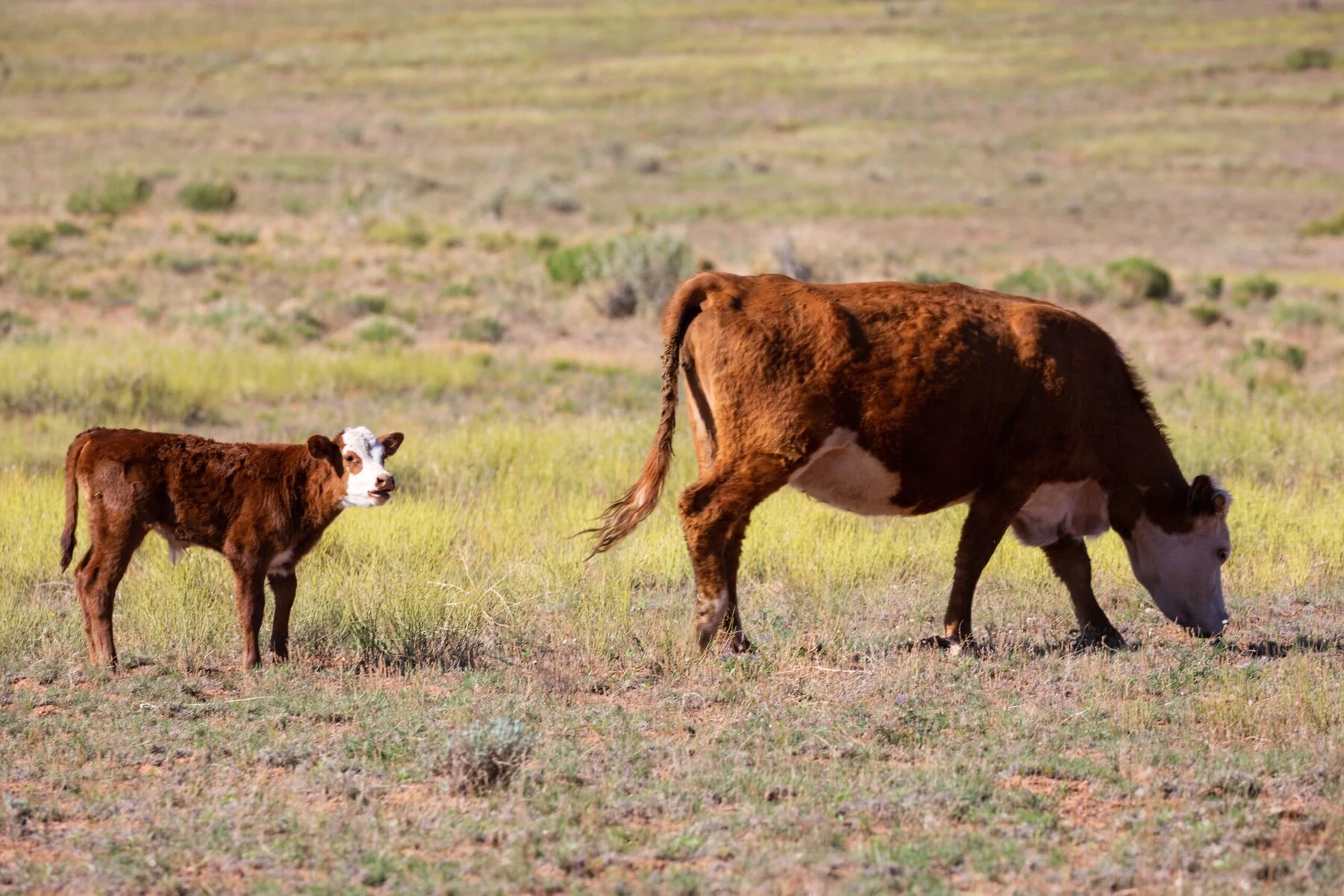
Colorado Ranchers Preserve Endangered Prairie Grasslands Through Conservation-Focused Ranching
This article profiles cattle ranchers in Colorado's prairie grasslands who are choosing conservation over development profits. Dallas May an
 reasonstobecheerful.world·8mo ago
Comments
Sign in to join the conversation.
No comments yet. Be the first.