
























Reflections on Final Root DNSSEC Key Ceremony and Internet Security Evolution
Many years ago, when I was but an infant, the first computers were connected on the ARPANET - the seminal computer network that would eventually evolve to become the Internet. Computers at the time…
Read the full articleYou might also wanna read

How Observability, Short-Lived Credentials, and Enforcement Saved the Web's Certificate Trust Model
Observability, short-lived credentials, and active enforcement hold the web's trust model together. Without them, a decade of Certificate Au
 zeltser.com·8d ago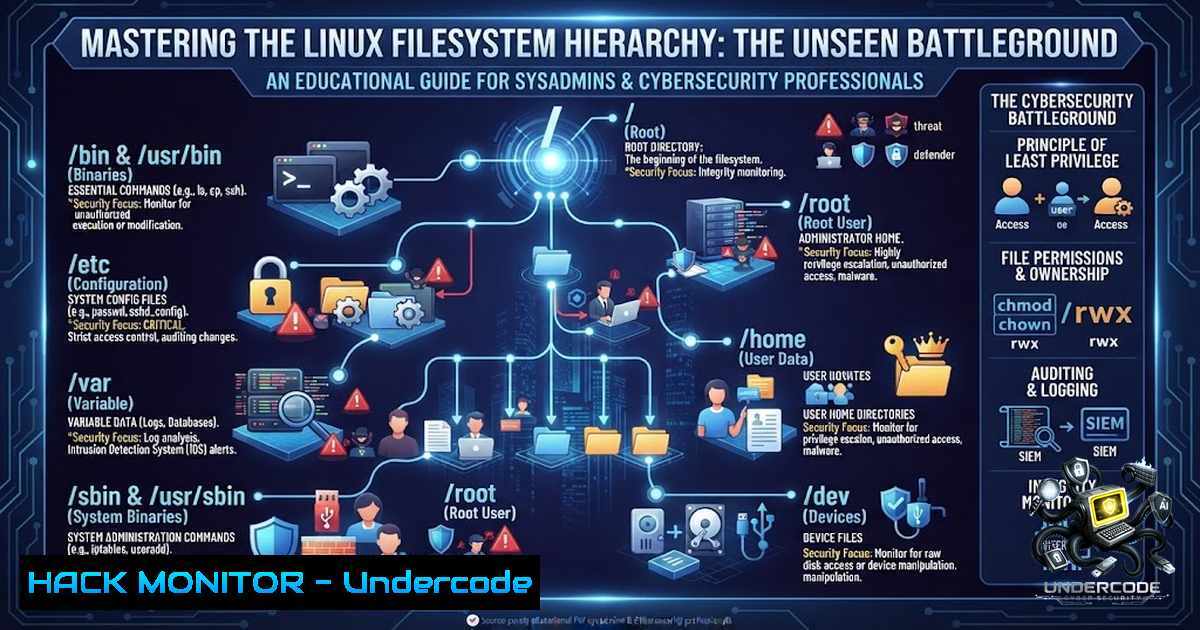
Understanding the Linux Filesystem Hierarchy: A Guide for Sysadmins and Cybersecurity Professionals
Mastering the Linux Filesystem Hierarchy: The Unseen Battleground for Sysadmins and Cybersecurity Professionals + Video - "Undercode Testing
 undercodetesting.com·12d ago
RSAC: Networking and Security Convergence Redux
The RSA Conference once again revealed the theme of networking and security convergence
dnscrypt-proxy 2.1.17
Adds DNSCrypt 2026 with post-quantum cryptography support for compatible servers

Large-Scale Study Finds 0% Adoption of Post-Quantum Certificates Across 32,011 Domains
The emergence of quantum computing presents a fundamental challenge to the security of current Internet communication systems. Transport Lay
 arxiv.org·1mo ago
Kerberoasting: A Deep Dive into Service Account Attacks
A comprehensive analysis of Kerberoasting — how it works at the protocol level, detection opportunities, and hardening strategies for Active
Comments
Sign in to join the conversation.
No comments yet. Be the first.