
























Quiet, please: Hatchery salmon raised amid noise are less likely to return to spawn
Source
PhysQuiet, please: Hatchery salmon raised amid noise are less likely to return to spawnphys.orgYou might also wanna read


Positive environmental news: Salmon cannon aids fish migration, cities adapt to heat waves
A roundup of positive environmental news, featuring a Seattle company's "salmon cannon" that helps fish migrate past dams using a tube syste
 dw.com·25d ago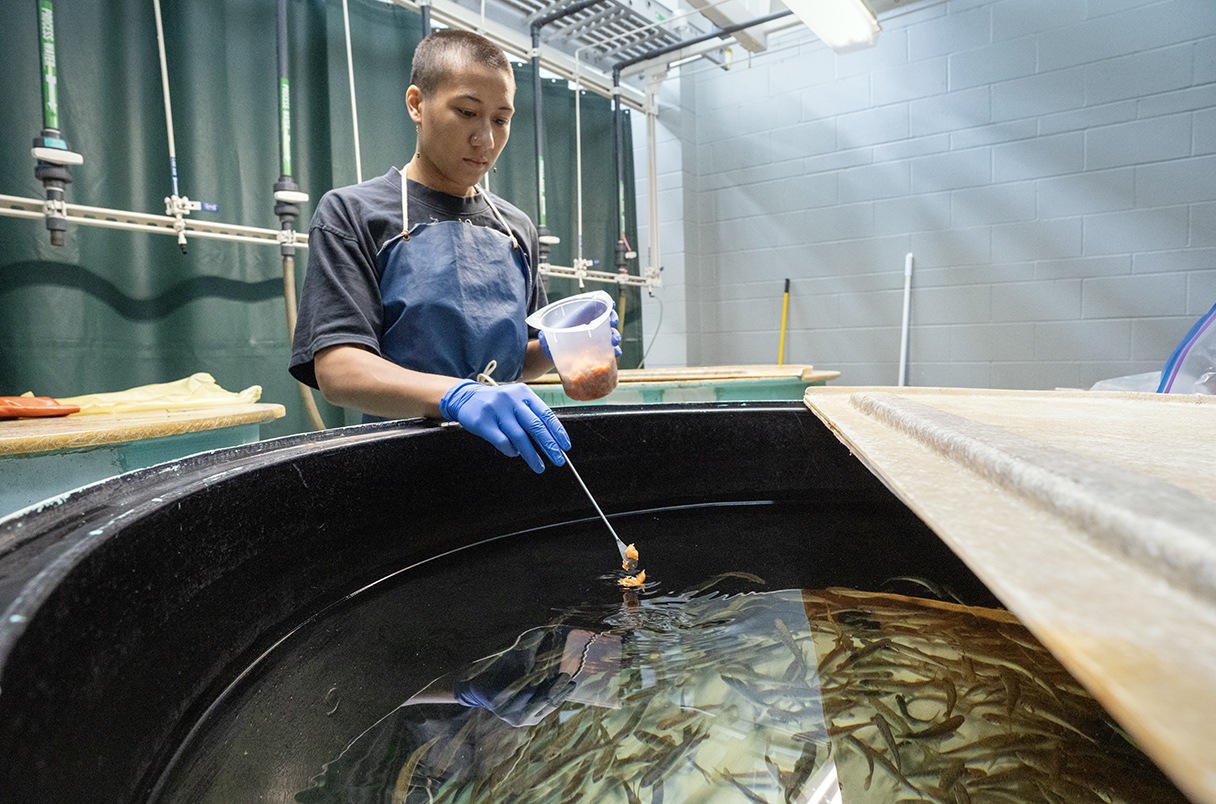
Parasite Identified as Primary Cause of Alaska's Declining Chinook Salmon Populations
Scientists have identified a parasite called Ichthyophonus as a major factor in the dramatic decline of Chinook salmon in Alaska's Yukon Riv
 science.org·10mo ago
Environmental drivers of fish chorusing in California marine sanctuaries: temperature, upwelling, and habitat effects
This scientific study analyzes ~16 cumulative recording-years of passive acoustic data (2018-2022) from seven sites in Monterey Bay and Chan
 academic.oup.com·19d ago
Predicting the 2026 Bristol Bay and Kodiak Salmon Runs: Why Real-Time Counts Still Matter
This article discusses the 2026 Bristol Bay and Kodiak Island salmon runs in Alaska, highlighting that Bristol Bay's sockeye returns are mea
 salmonfinder.com·1mo ago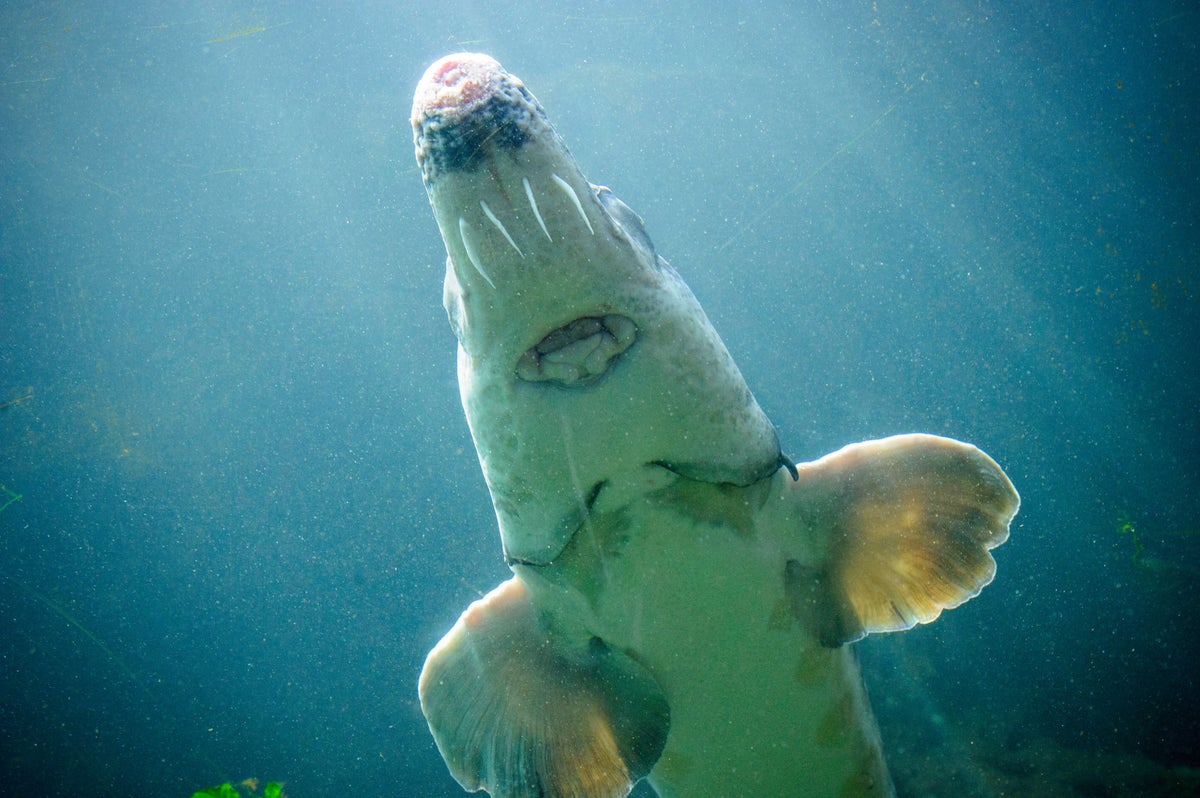
Atlantic sturgeon produce low-frequency 'thunder' sounds during mating, researchers find
Atlantic sturgeon in the Hudson River produce low-frequency "thunder" sounds during mating, according to recent research. These massive fish
 scientificamerican.com·1mo ago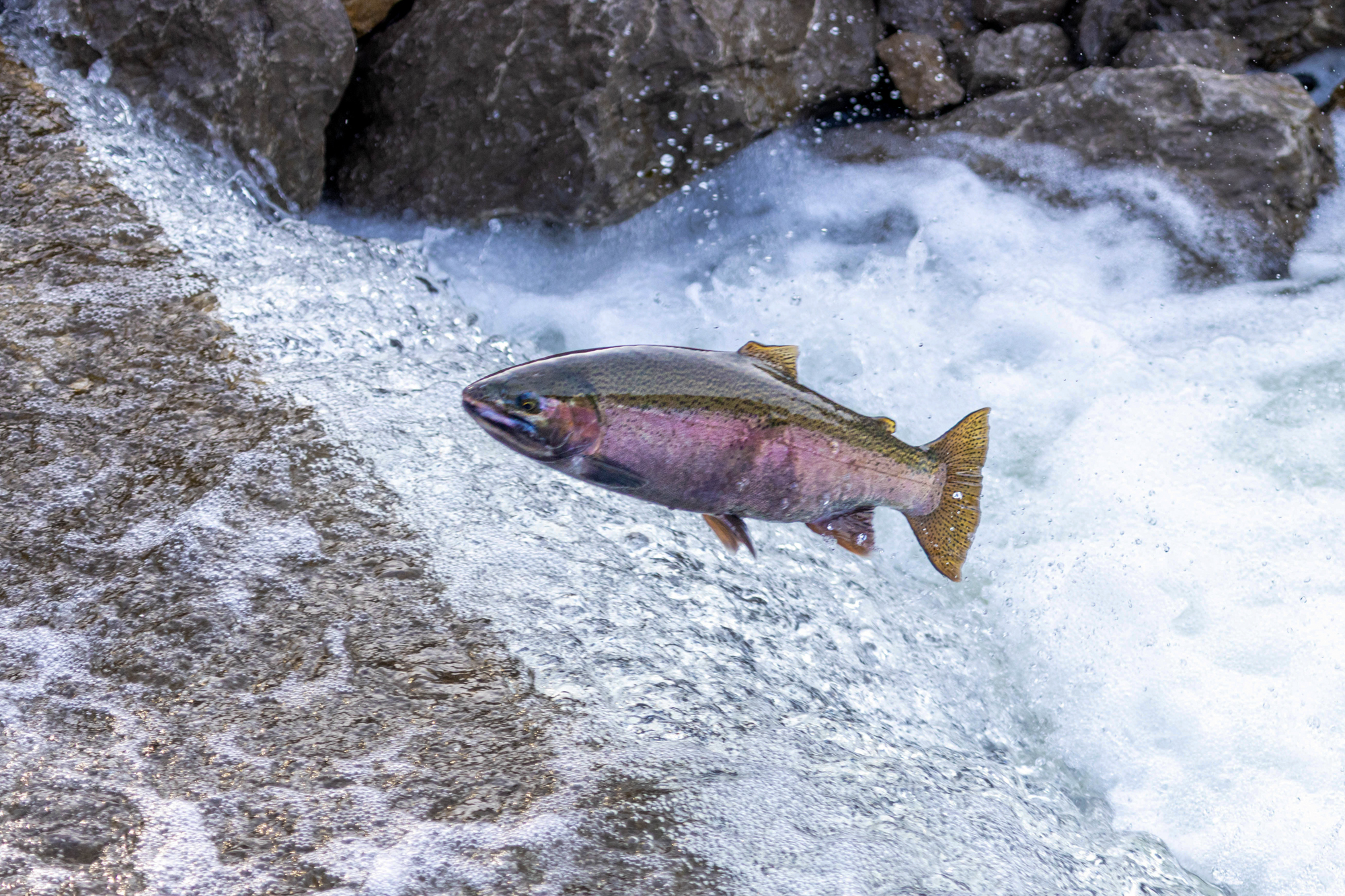
NOAA-Funded Project Removes Final Barrier, Restores Fish Passage on California's Alameda Creek After 50 Years
A NOAA-funded project led by California Trout and Pacific Gas & Electric removed the final barrier to fish passage on California's Alameda C
 fisheries.noaa.gov·1mo ago
Comments
Sign in to join the conversation.
No comments yet. Be the first.