
























Q-Day: The looming quantum computing threat to global cybersecurity could arrive by 2029
By
Justin Klawans, The Week US
Summary
Computer scientists have long warned about 'Q-Day' — a hypothetical doomsday for cybersecurity when quantum computers become powerful enough to crack current encryption methods. Google's recent announcement suggests this day could arrive as soon as 2029, much earlier than previously anticipated. The article explains what Q-Day is, why it matters for global cybersecurity, and how experts are racing to develop quantum-resistant encryption before existing security systems become obsolete.
Source

 bskyQ-Day: The looming quantum computing threat to global cybersecurity could arrive by 2029theweek.com
Key quotes
· 2 pulledWhen Q-Day arrives, encryption cracking could occur 'not in billions of years, but in hours or days'
Escape your echo chamber. Get the facts behind the news, plus analysis from multiple perspectives.
You might also wanna read
Bitcoin's Quantum Computing Vulnerability: Timeline and Upgrade Paths
The article discusses the quantum computing threat to Bitcoin's security, specifically how Bitcoin's current cryptographic signatures would


New Quantum Algorithm Accelerates Timeline for Breaking Current Encryption Standards
Researchers at the Advanced Quantum Technologies Institute have developed a new quantum algorithm called JVG that dramatically accelerates t
 briefglance.com·4mo ago
Cryptography Engineer Updates Quantum Computing Timeline Assessment, Urges Faster Adoption of Quantum-Resistant Cryptography
A cryptography engineer explains their changed position on quantum computing timelines, stating that recent public progress from Google and
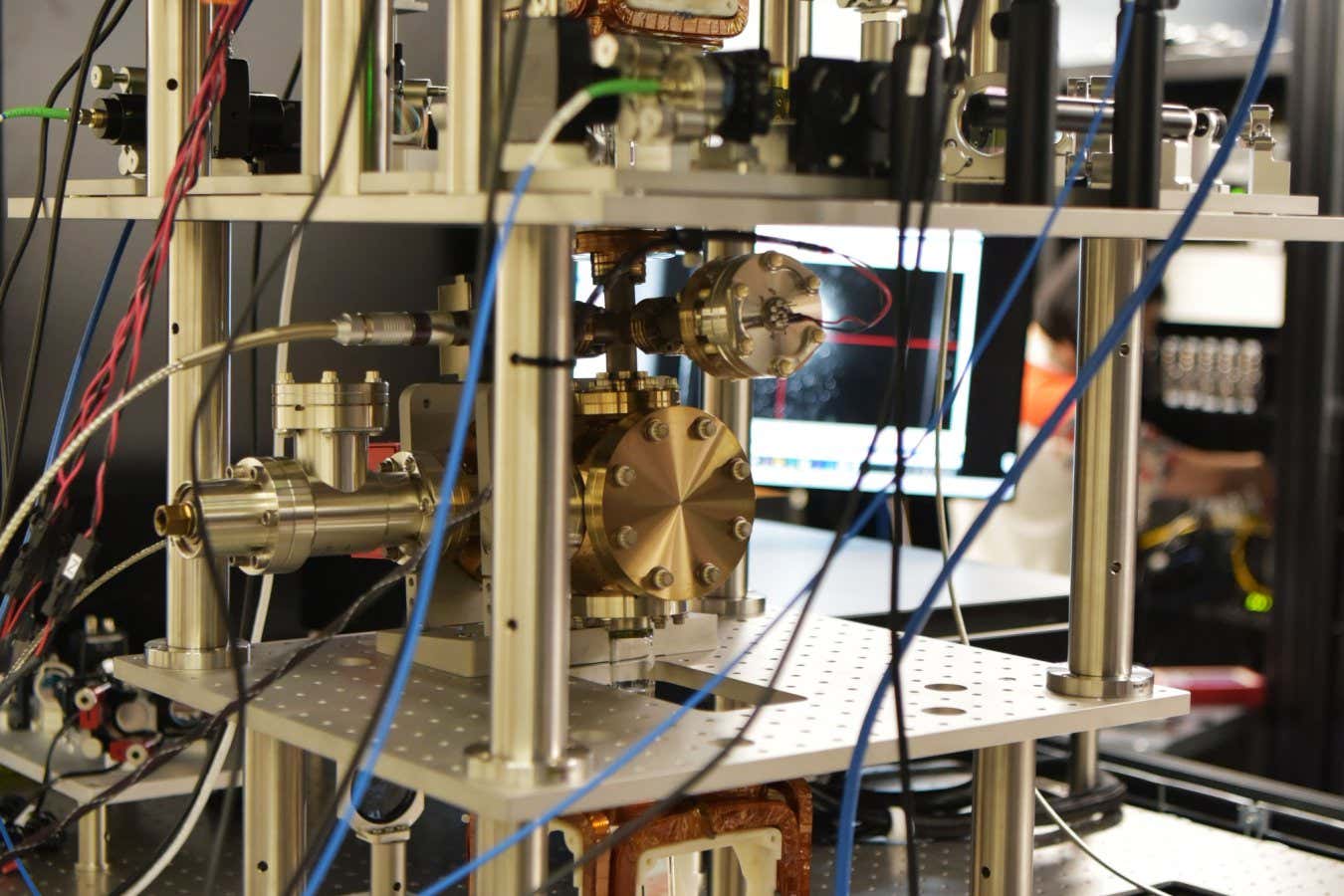
QuEra claims fault-tolerant quantum computers could arrive by 2028
Quantum computing firm QuEra claims that useful, error-free (fault-tolerant) quantum computers could be ready within two years. The company
 newscientist.com·6d ago
Microsoft Accelerates Post-Quantum Cryptography Shift to 2029

Trump Executive Order Sets 2030–2031 Deadlines for Federal Post-Quantum Cryptography Migration
President Trump signed Executive Order 14409 on June 22, setting hard deadlines for federal agencies to migrate to post-quantum cryptography
 thehackernews.com·11d ago
Comments
Sign in to join the conversation.
No comments yet. Be the first.