
























How kapa.ai used a small LLM to prune 68% of RAG context while retaining 96% recall
Kapa.ai describes their approach to optimizing RAG (Retrieval-Augmented Generation) for technical Q&A systems. They developed a method using a small LLM to prune retrieved context chunks, discarding 68% of irrelevant context while maintaining 96% recall. The article details their iterative process of building a pruning agent that evaluates each chunk's relevance to the specific question, significantly reducing token usage and improving answer quality by removing noise from the context window.
Key quotes
For all the debate in 2026 about whether agents still need RAG, in our domain nothing comes close when knowledge bases get large and complex.
We found that by pruning away irrelevant context, we could reduce the context size by 68% while maintaining 96% of the recall.
The key insight was that a small, focused LLM could be more effective at judging relevance than relying solely on embedding similarity scores.
From the article
You might also wanna read


Building a Minimal RAG System from Scratch: PDF to Highlighted Answers in ~100 Lines of Python
A hands-on tutorial that builds the smallest functional RAG (Retrieval-Augmented Generation) system from scratch using about 100 lines of Py
 towardsdatascience.com·1mo ago
What Is Retrieval-Augmented Generation (RAG)? A Developer's 2026 Guide
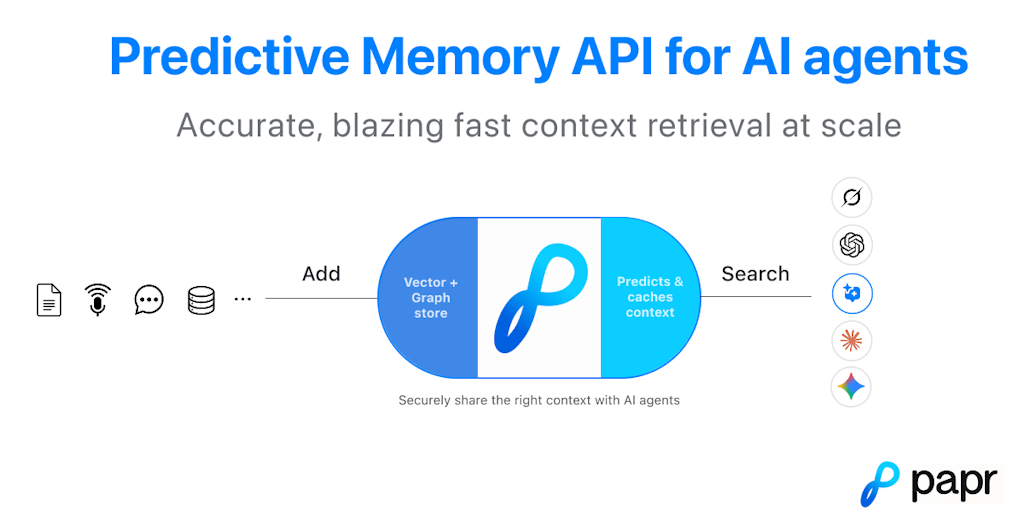
Papr.ai API Combines RAG and Memory for AI Agents with 91%+ Retrieval Accuracy
Papr.ai is an AI API that combines retrieval-augmented generation (RAG) with memory capabilities to reduce AI hallucinations and enable pers
 Product Hunt·1mo ago
Context graphs: when nearest-neighbor search isn't enough
RAGFlow: Revolutionizing Retrieval-Augmented Generation for AI
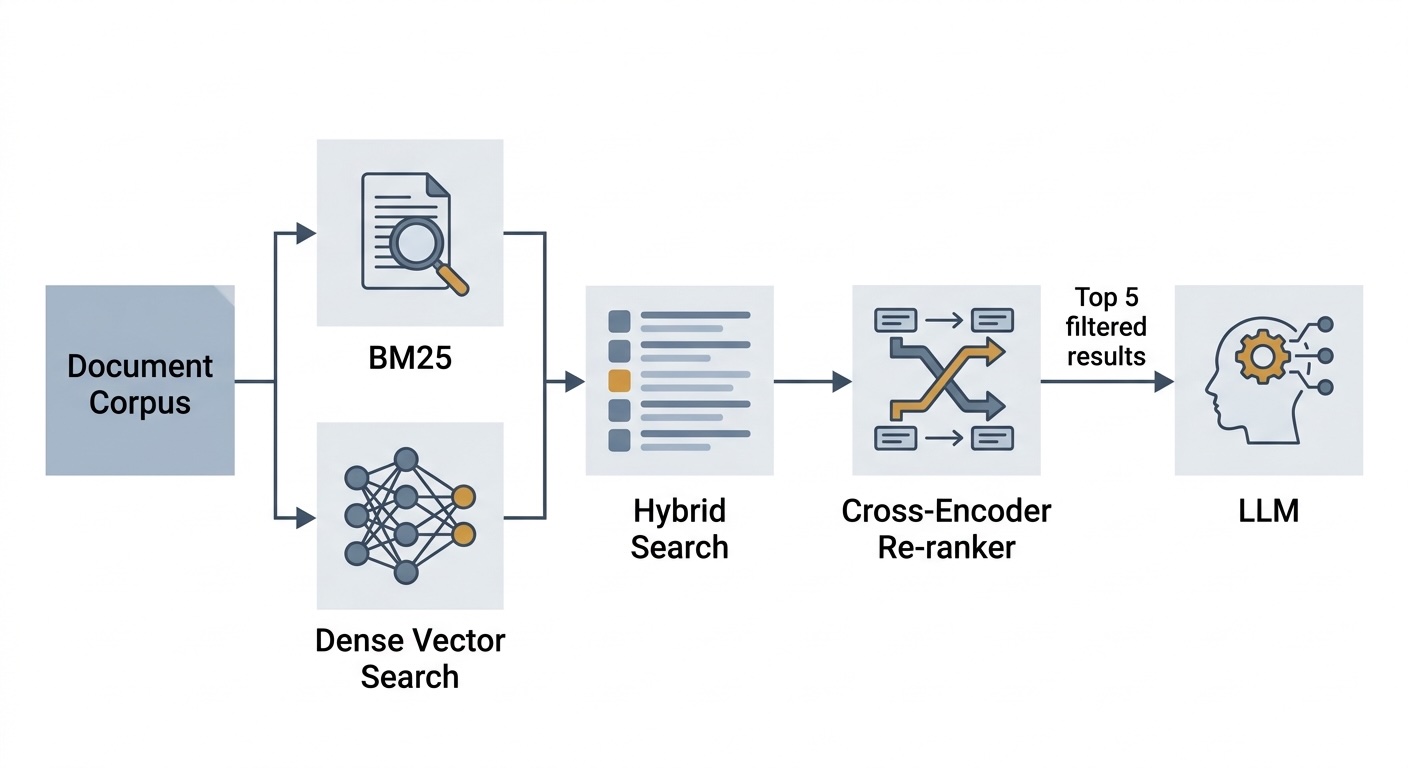
Hybrid Search and Re-Ranking: Improving RAG Accuracy Beyond Semantic Search
The article discusses the limitations of semantic search in Retrieval-Augmented Generation (RAG) systems, illustrated through a real-world e
towardsdatascience.com·23d ago
Comments
Sign in to join the conversation.
No comments yet. Be the first.