
























PID Controller: A Feedback-Based Control Loop Mechanism for Industrial Automation
By
Contributors to Wikimedia projects
Summary
A PID (proportional–integral–derivative) controller is a feedback-based control loop mechanism used in industrial control systems and other applications to automatically manage machines and processes. It continuously compares the desired setpoint (SP) with the actual process variable (PV), calculates the error difference, and adjusts the system accordingly without human intervention. It is a three-term controller commonly employed where constant modulation and automatic adjustment are required.
Source
 Hacker NewsPID Controller: A Feedback-Based Control Loop Mechanism for Industrial Automationen.wikipedia.org
Key quotes
· 3 pulledA proportional–integral–derivative (PID) controller, or three-term controller, is a feedback-based control loop mechanism commonly used to manage machines and processes that require continuous control and automatic adjustment.
It is typically used in industrial control systems and various other applications where constant control through modulation is necessary without human intervention.
The PID controller automatically compares the desired target value (setpoint or SP) with the actual value of the system (process variable or PV).
You might also wanna read

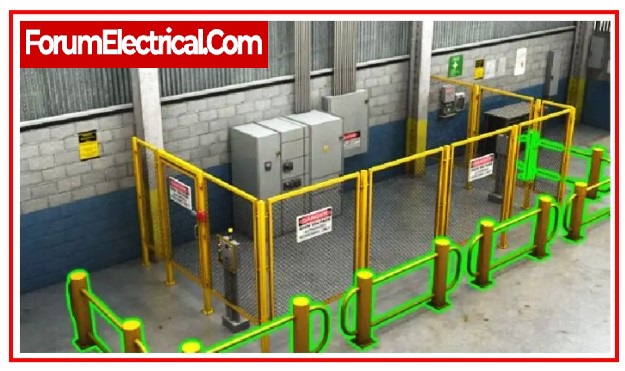
Operational Control Procedures for Safe Electrical System Management
This article explains Operational Control Procedures (OCP) for electrical systems, focusing on how to ensure safe and efficient operation of
 forumelectrical.com·3d ago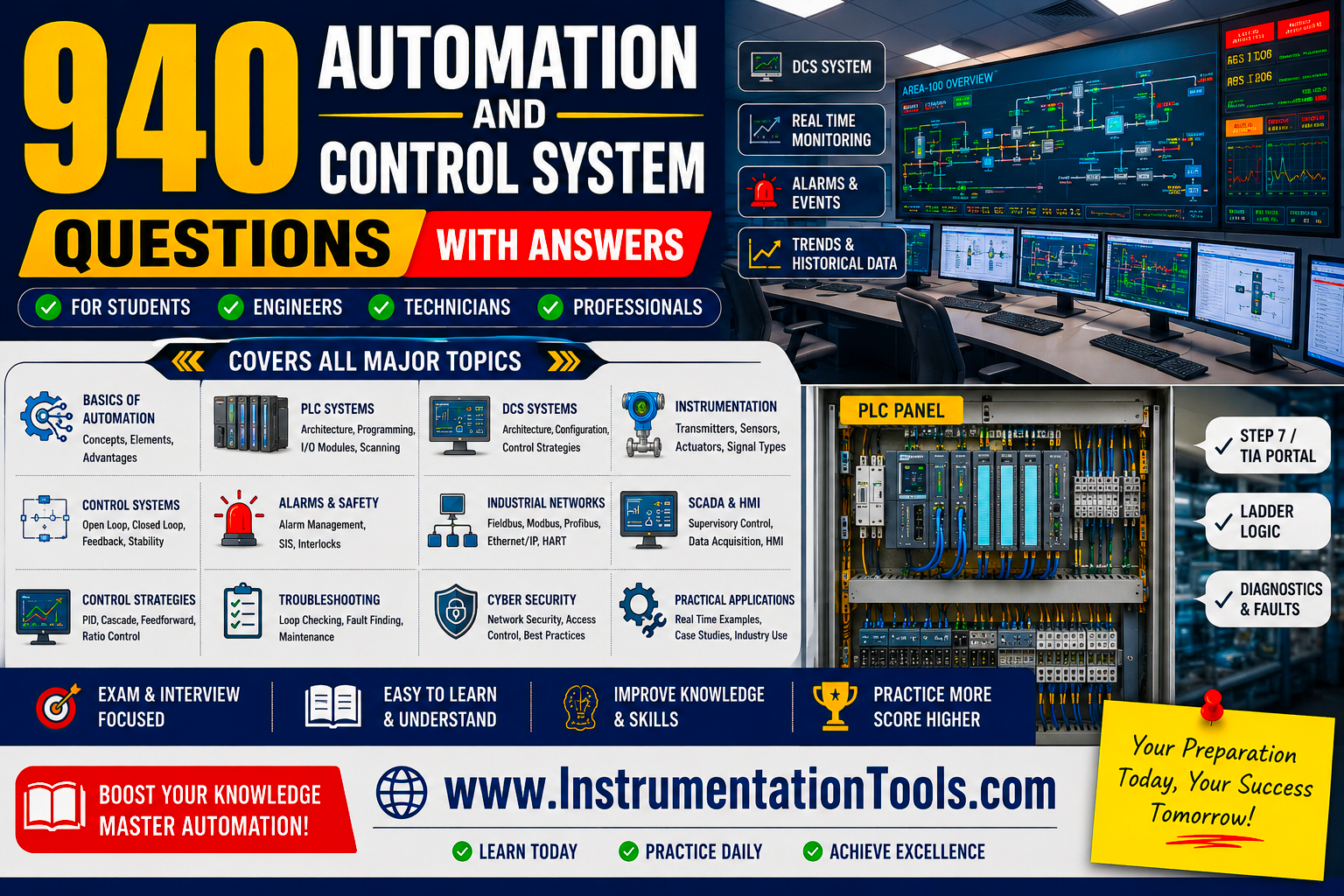
940 Automation and Control Systems Questions: PLC, DCS, SCADA, and Process Control Study Guide
This is a collection of 940+ questions and answers covering automation and control systems, including PLC, DCS, SCADA, instrumentation, and
 instrumentationtools.com·5d ago
Devpilot: AI Co-Engineer Automates Full-Stack Application Development
Devpilot is an AI-powered development tool that functions as a co-engineer to automate the entire software development lifecycle. It enables
 Product Hunt·7mo ago
Automated: Record Your Workflow Once, Run It on Autopilot Forever
Automated is a workflow automation tool that allows users to automate any digital workflow by simply recording a demo of their process. The
Product Hunt·3mo ago
Onpilot Launches AI Workforce Platform That Connects to Business Systems and Automates Workflows
Onpilot is an AI workforce platform that connects to a business's existing systems, workflows, and processes. It proactively monitors operat
Product Hunt·18d ago
Arduino: Open-Source Hardware and Software Platform with 30+ Million Users Worldwide
Arduino is an open-source hardware, software, and content platform with a global community of over 30 million active users. The platform des
Product Hunt·3mo ago
Comments
Sign in to join the conversation.
No comments yet. Be the first.