
























Private Equity's Growing Role in the U.S. Housing Market and Its Impact on Affordability
In some communities, corporations control more than 20 percent of properties.
Read the full articleYou might also wanna read


Voters link affordability crisis to private equity's profit-driven practices, columnist argues
The rising power of profiteers revs up a political showdown.
 startribune.com·1mo ago
5 Things Black Homeowners Need To Know About The New Private Equity Housing Ban
New law bans big firms from buying more single-family homes, aiming to help families access housing market.
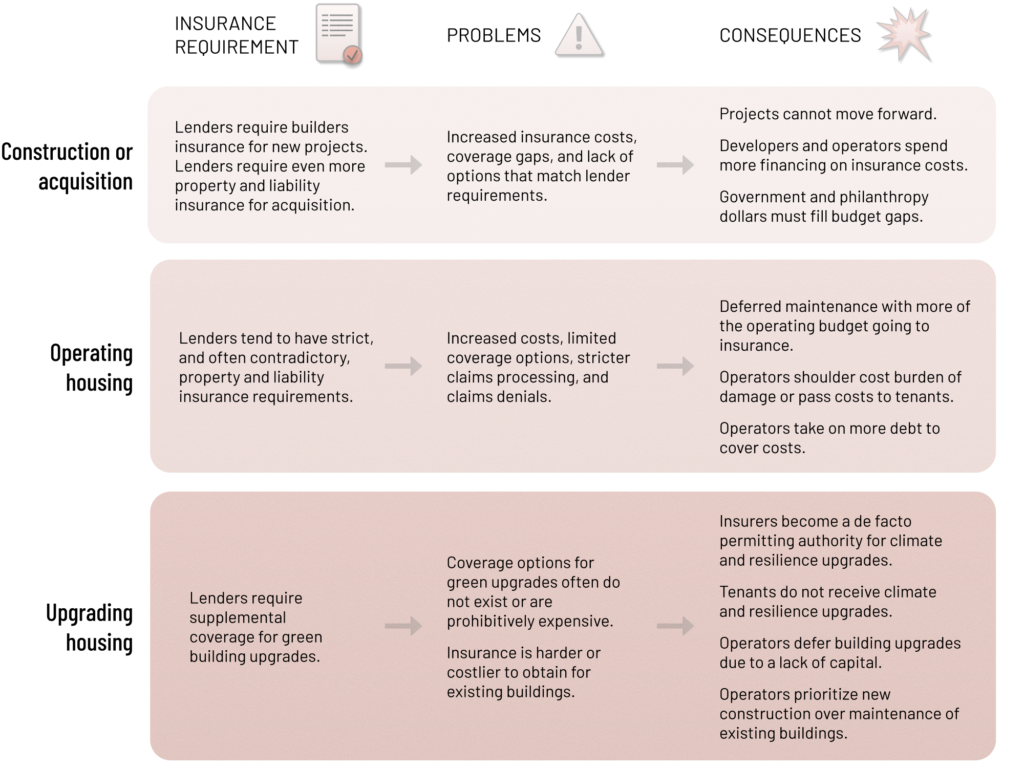
Rising Insurance Costs Worsen the US Affordable Housing Crisis, Research Shows
This report demonstrates how increasing insurance costs are making an already painful housing affordability crisis even worse.
 climateandcommunity.org·1mo ago
Rising costs drive shift in American Dream as more renters choose long-term renting over homeownership
Some no longer see renting as a temporary stop on the path to homeownership but rather a long-term lifestyle choice, reflecting a shift in t
 cnbc.com·17d ago
Homeownership and the American Dream: How rising costs are reshaping long-held aspirations
Some no longer see renting as a temporary stop on the path to homeownership but rather a long-term lifestyle choice, reflecting a shift in t
cnbc.com·10d ago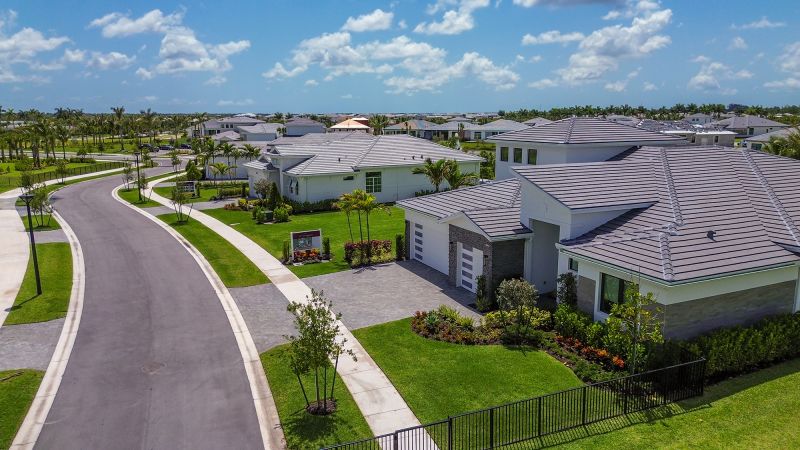
New federal law limits institutional investors from buying single-family homes — but will it lower prices?
After years of backlash against Wall Street landlords, the federal government is taking its first step to limit large investors’ ownership o
 cnn.com·4d ago
Comments
Sign in to join the conversation.
No comments yet. Be the first.