
























Preserving Computing History: A 20-Year Journey to Revive a 1987 Unix Game
How I spent two decades tracking down the creators of a 1987 USENET game and learned modern packaging tools in the process. The Discovery: A Digital Time Capsule from 1987 Picture this: October 26…
Read the full articleYou might also wanna read

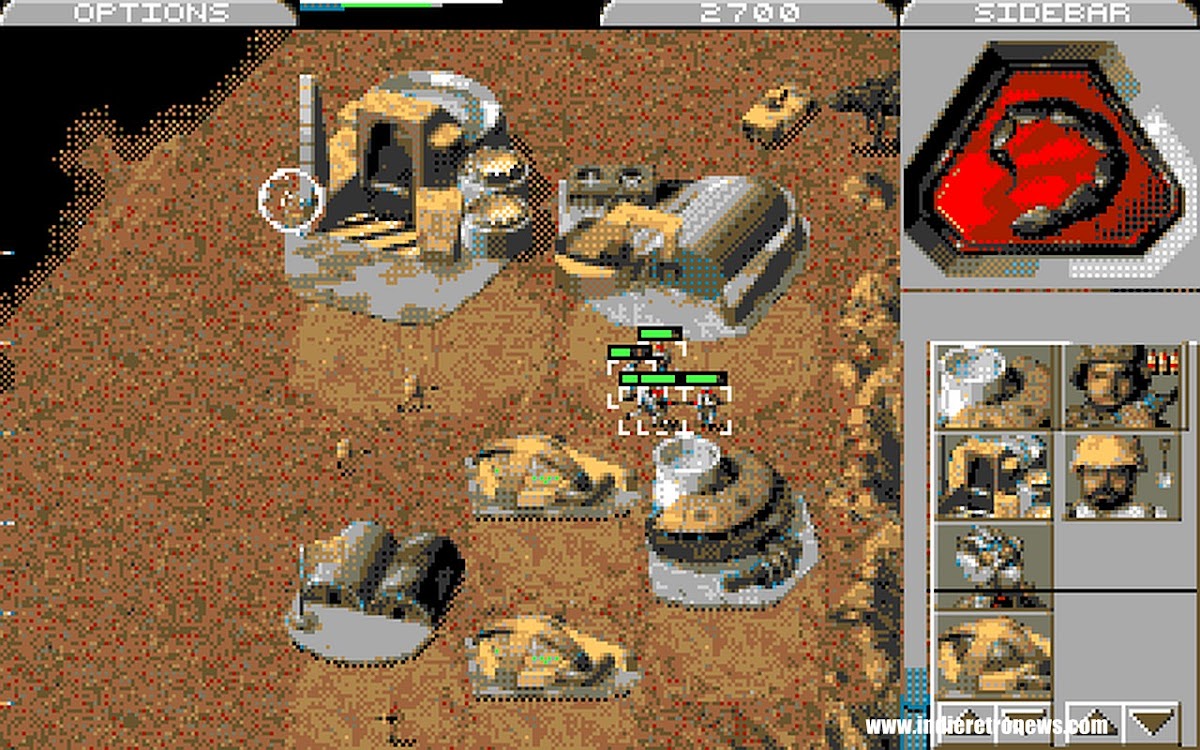
Command & Conquer being ported to Atari ST by independent developer indyjo
Command & Conquer - Westwood's hit strategy game is coming to the Atari ST, and it's impressive!
 indieretronews.com·27d ago
Decades-old UNIX ownership lawsuit revived as Xinuos pursues new claims against IBM
SCO's legal successor Xinuos asks legal brains to let it bite IBM over ancient license and copyright claims
 theregister.com·10d ago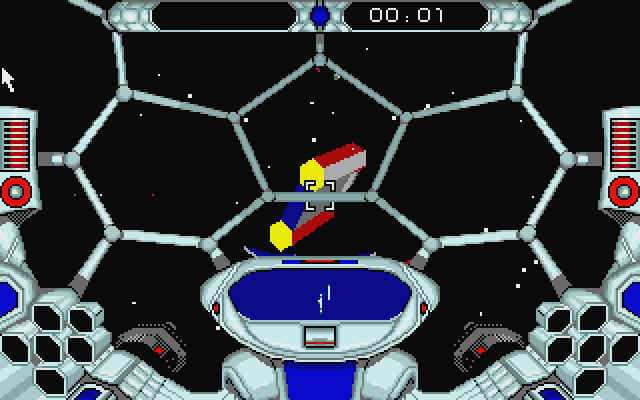
Preservation of Rainbird's Cancelled Space Exploration Game "EPT" for Atari ST and Amiga
Cancelled & Unreleased Video Games
 gamesthatwerent.com·27d ago
A Google Exec Ported Command & Conquer to Native iOS With Claude Code and Fable 5
A Google AI Studio lead ported the 2003 strategy game Command & Conquer: Generals — Zero Hour to native iPhone, iPad, and Mac using Anthropi

Quake at 30: How id Software's 1996 Masterpiece Revolutionized 3D Gaming
It is June 22, 1996. Quake shakes the world to its foundations. The new game from id Software hits with the force of an atomic bomb. In an e
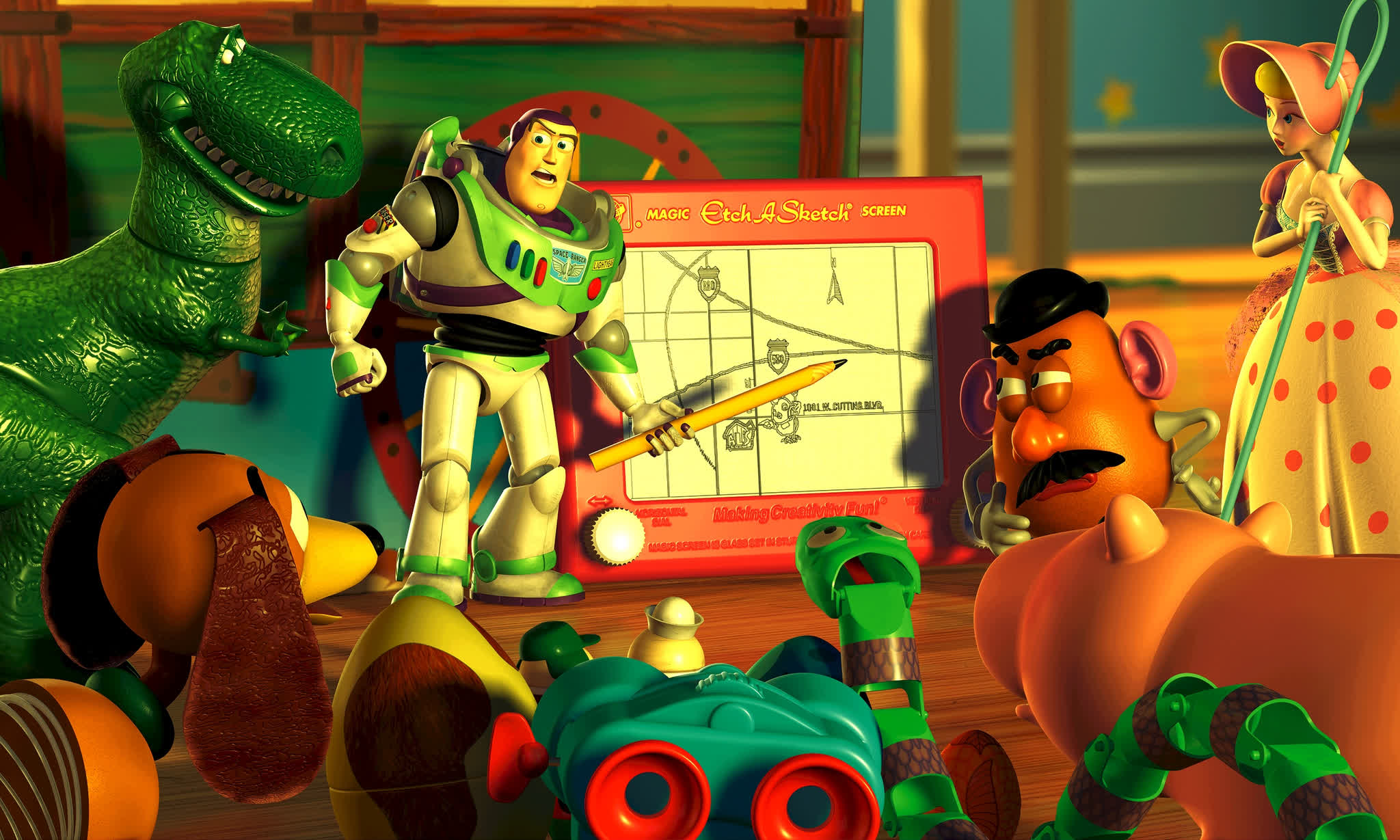
How a single Unix command nearly erased 90% of Pixar's Toy Story 2 in 1998
The studio's animation pipeline at the time ran across a network of Unix and Linux machines holding hundreds of thousands of production file
 techspot.com·24d ago
Comments
Sign in to join the conversation.
No comments yet. Be the first.