





















Possible Discovery of Betelgeuse's Companion Star Explained
By
layer8

Toasted to a respectable shade. No regrets, no crumbs left.
Summary
A team of astronomers announced the possible discovery of a small companion star orbiting the red supergiant Betelgeuse, which could explain its brightness fluctuations over 6-year periods and shed light on similar stars' pulsations.
Key quotes
· 3 pulledThe red supergiant Betelgeuse, one of the brightest stars in the sky, may have a small companion star in orbit around it, a team of astronomers announced today.
If confirmed, the companion would explain why Betelgeuse waxes and wanes in brightness over 6-year periods and could help explain why similar stars also pulsate, the researchers report in
Small star could crash into red supergiant in the next 10,000 years
You might also wanna read


August 12, 2026 Total Solar Eclipse: Path and Viewing Safety Guide
The August 12, 2026 total solar eclipse will be visible across the Arctic Ocean, Greenland, Iceland, Atlantic Ocean, Portugal, and northern
 nso.edu·4d ago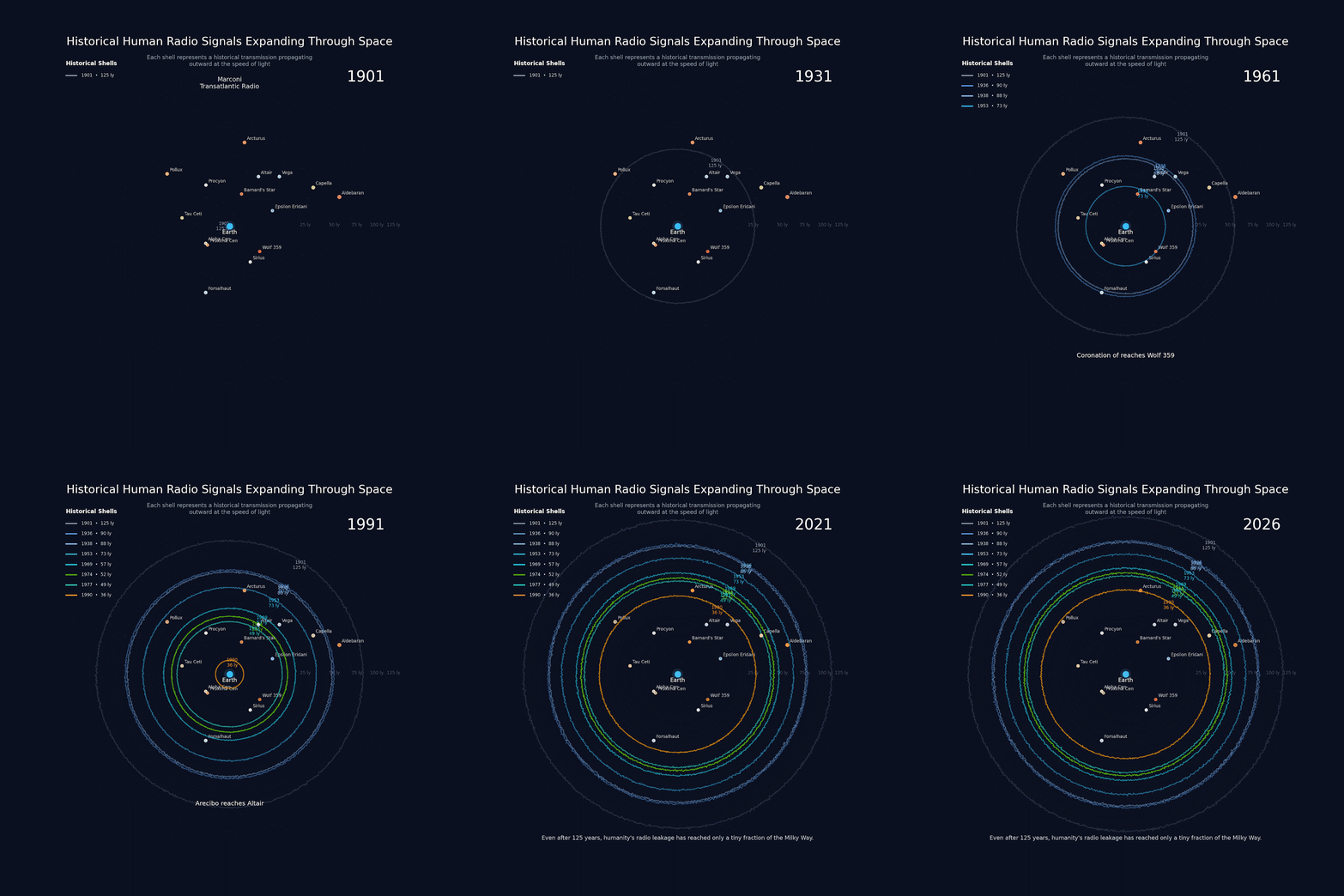
Earth's Expanding Radio Bubble: How Humanity's Signals Are Reaching the Cosmos
This article explores the concept of Earth's "radio bubble" — a sphere of electromagnetic radiation expanding outward at the speed of light
 thescientificdrop.com·14d ago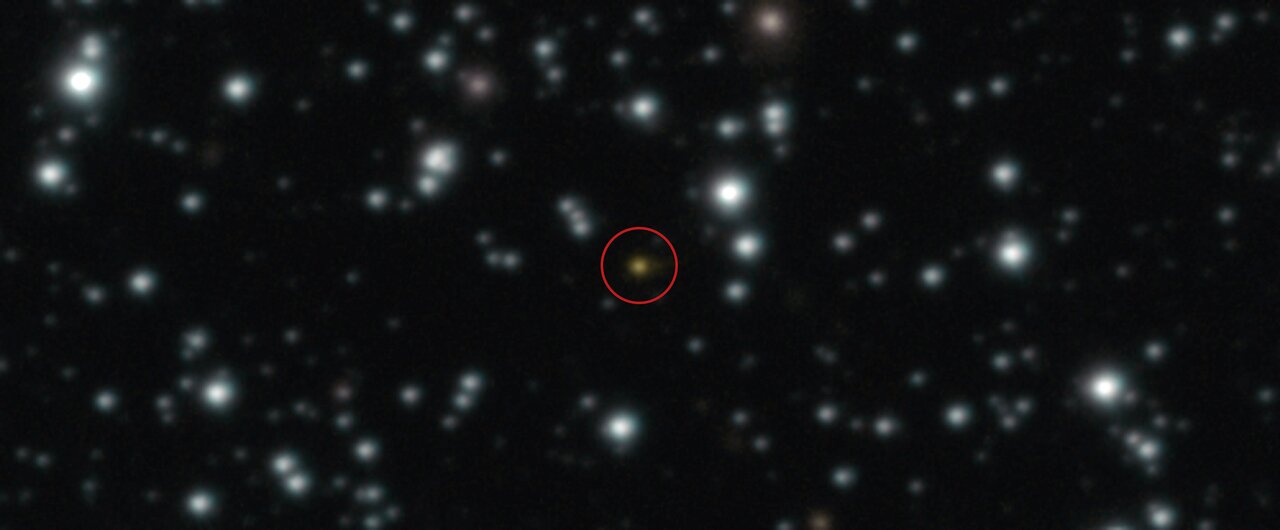
Astronomers detect unusual repeating gamma-ray burst of unknown origin outside our galaxy
Astronomers have detected a mysterious gamma-ray explosion that repeated several times over the course of a day, an event unlike any previou
 eso.org·8mo ago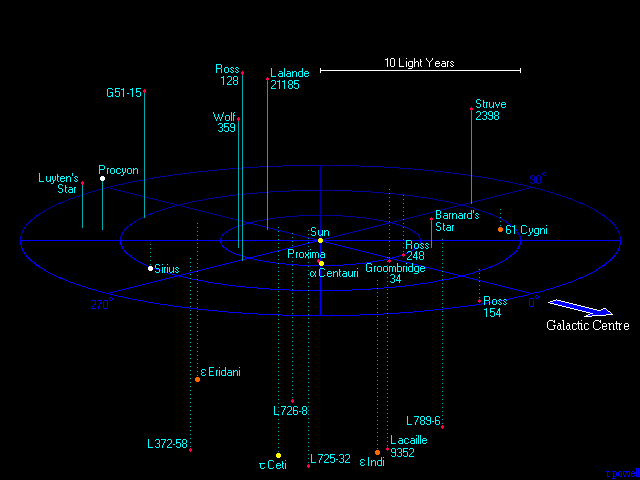
Astronomical Map of Star Systems Within 12.5 Light Years of the Sun
This article presents an astronomical map showing all star systems within 12.5 light years of our Sun, highlighting that most nearby stars a
 atlasoftheuniverse.com·8mo ago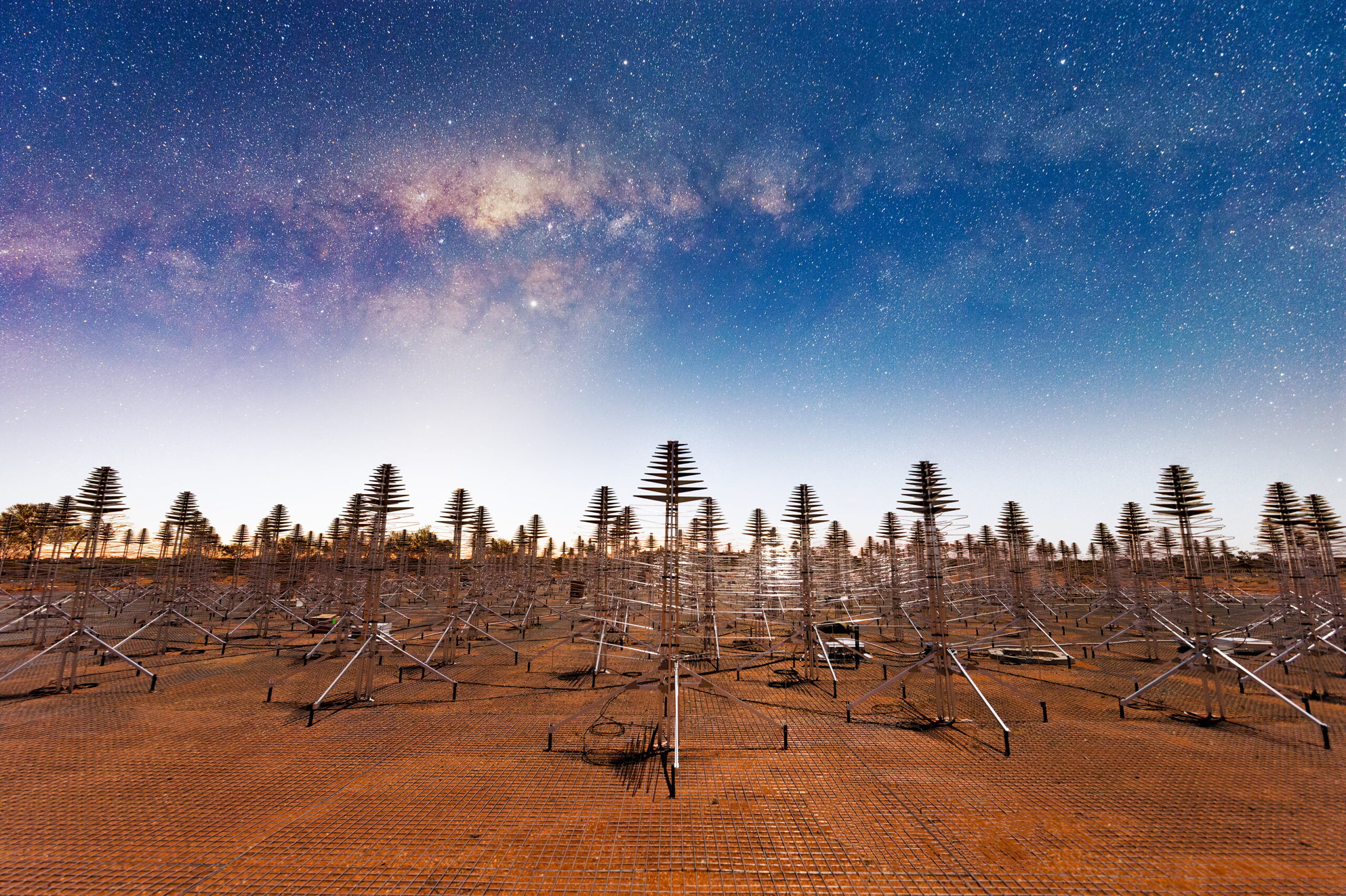
Study Reveals Starlink Satellite Emissions Disrupt SKA-Low Frequency Radio Astronomy
The article discusses the unintended impact of Starlink satellite broadband emissions on radio astronomy, particularly in the SKA-Low freque
 astrobites.org·9mo ago
Astronomers Discover Massive Black Hole Merger Defying Expectations
Astronomers detect the most colossal black hole merger known to date, producing a gigantic black hole about 225 times the mass of the Sun.
gizmodo.com·10mo ago