
























Popular governors rarely lose reelection. Presidents are different
1h agopt
From the article
It takes a close look at electoral history to find cases in which governors with positive job approval ratings above 40% at the start of an election campaign failed to win reelection. São Paulo Governor Tarcísio de Freitas, of the Republicans party, posted a 45% positive rating—measured as the share of respondents describing his administration as “good” or “excellent”—in a Datafolha poll released Monday. His overall approval rating stood at 63%. Tarcísio leads Haddad by double digits in São Paulo governor race Arrest of Flávio Bolsonaro’s ally deepens campaign turmoil Lula leads Flávio Bolsonaro in first- and second-round simulations Several years ago, pollster Ipsos conducted a comparative study of more than 1,000 opinion polls from different countries, establishing a correlation between government approval at the beginning of an election campaign and reelection. Incumbents with approval ratings above 60% were reelected in 98% of the cases. Brazil first allowed consecutive presidential and gubernatorial reelection in 1998. Since then, relatively unpopular incumbents have occasionally won reelection when facing challengers with even higher rejection rates. That was the case, for example, with Mário Covas in São Paulo in 1998 and Cláudio Castro in Rio de Janeiro in 2022, who defeated Paulo Maluf and Marcelo Freixo, respectively. Abroad, France offers another example: Emmanuel Macron, despite his own low approval, won reelection in 2022 against Marine Le Pen. What is genuinely rare is the opposite—well-regarded incumbents losing reelection. Among a sample of 20 gubernatorial races with government approval polls conducted between June and August, at the beginning of the campaign, only one relatively popular incumbent went on to lose: Minas Gerais Governor Eduardo Azeredo in 1998, who was defeated in his reelection bid by former President Itamar Franco. Azeredo entered the race with a 42% positive job approval rating. Two other emblematic cases lacked comparable approval surveys before the election: Bahia Governor Paulo Souto and Rio Grande do Sul Governor Germano Rigotto, both in 2006. Although both led voting-intention polls, they were ultimately defeated by Jaques Wagner and Yeda Crusius, respectively. The outlook is therefore unfavorable this year for Fernando Haddad of the Workers’ Party (PT) in São Paulo, João Campos of the Brazilian Socialist Party (PSB) in Pernambuco, ACM Neto of the Brazil Union party in Bahia and Ciro Gomes of the Brazilian Social Democracy Party (PSDB) in Ceará. In each case, they are challenging incumbents whose positive ratings or approval exceed their negative ratings or disapproval. For ACM Neto and Ciro Gomes, current leads in voting-intention polls are especially fragile because they must contend not only with the advantages incumbent governors enjoy but also with Brazil’s national political polarization. President Lula remains overwhelmingly popular in both Bahia and Ceará. Nationally, Lula has effectively divided the country in half. According to one of his closest allies, the president has become so polarizing that ideological identification shapes voters’ assessments of his administration, rather than the other way around. This makes Brazil’s presidential race less of a referendum on the incumbent’s performance than reelection contests typically are. Improving public perceptions of Lula’s administration does not necessarily translate into stronger voting intentions because of what has become, over the past two decades, a political wall known as anti-PT sentiment—a longstanding rejection of Lula’s Workers’ Party. If Lula wins reelection, it will not necessarily be because of the merits of his administration or the performance of the economy. If he loses, it will not necessarily be because of voters’ assessment of issues such as public security. Unlike Brazil’s current governors, Lula is an intensely polarizing figure. There is no comparable anti-Tarcísio or anti-Raquel Lyra movement, according to one of the president’s close advisers. According to a Meio/Ideia poll released Wednesday, Lula has a 46.5% approval rating and a 48.5% disapproval rating. Only 5% of voters express no opinion. He wins every simulated runoff tested in the survey, but never with more than 45% of the vote. The presidential race is therefore likely to be shaped by events as they unfold—or perhaps by investigations conducted by the Federal Police or rulings issued by Supreme Court Justice André Mendonça. Such a closely contested race also magnifies the political cost of unforced errors. An ill-chosen remark, a wounded ally or a poor strategic decision can prove decisive. One ally of the president notes that between May and June the opposition committed the most significant missteps. The public rift between Senator Flávio Bolsonaro and former first lady Michelle Bolsonaro stalled the PL party’s campaign just as it was beginning to recover from revelations about Flávio’s contacts with former banker Daniel Vorcaro. Lula’s narrow lead in the polls leaves him with little margin for error. The president has repeatedly shown that he is capable of making serious mistakes. One example was his remark last October suggesting that drug traffickers are victims of drug users. Incumbents seeking reelection often benefit from a “Teflon effect” generated by strong approval ratings, with controversies failing to stick. But that protection does not necessarily apply to highly polarizing leaders.
Continue reading on Extra OnlineYou might also wanna read
Brazil’s Election Rules Just Stripped Lula of Incumbency
Rio Times·6h ago

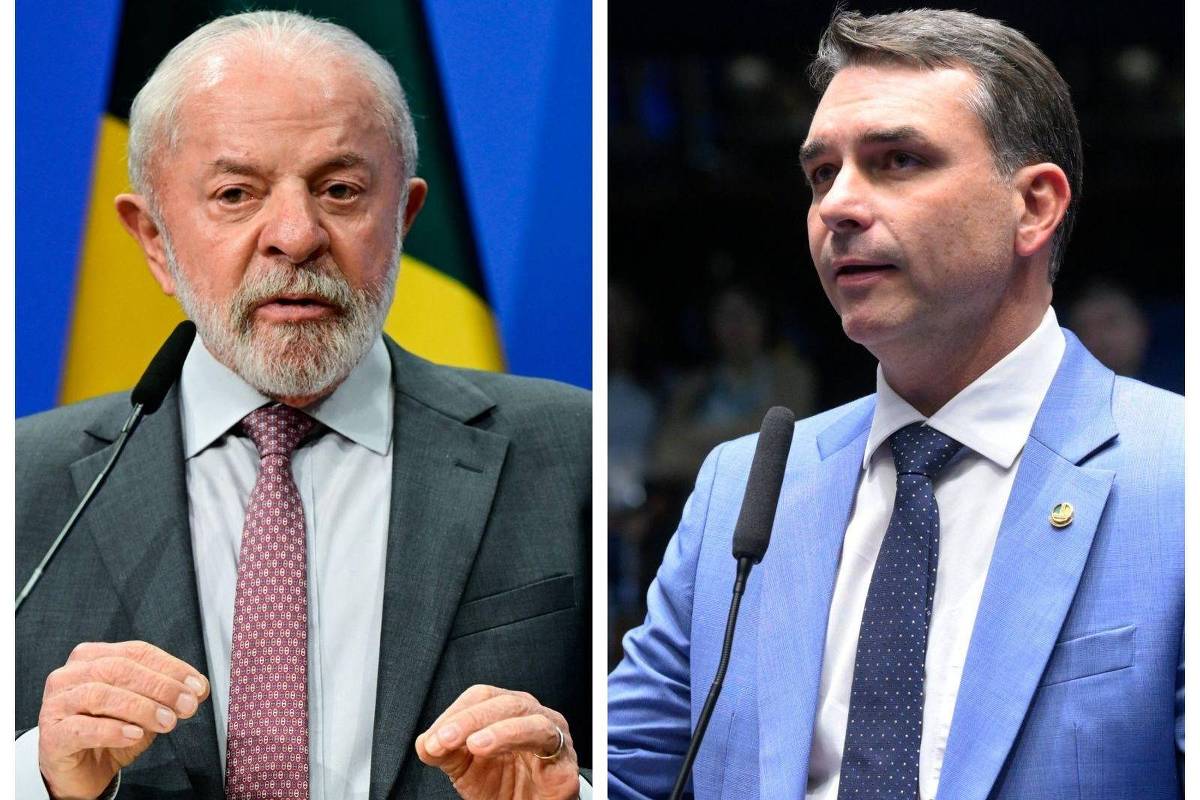
Minas Gerais gubernatorial race poses challenge for Lula and Bolsonaro campaigns
Minas Gerais, Brazil's second-largest electoral college, has become a major challenge for both President Lula's PT party and Senator Flávio
 www1.folha.uol.com.br·1mo ago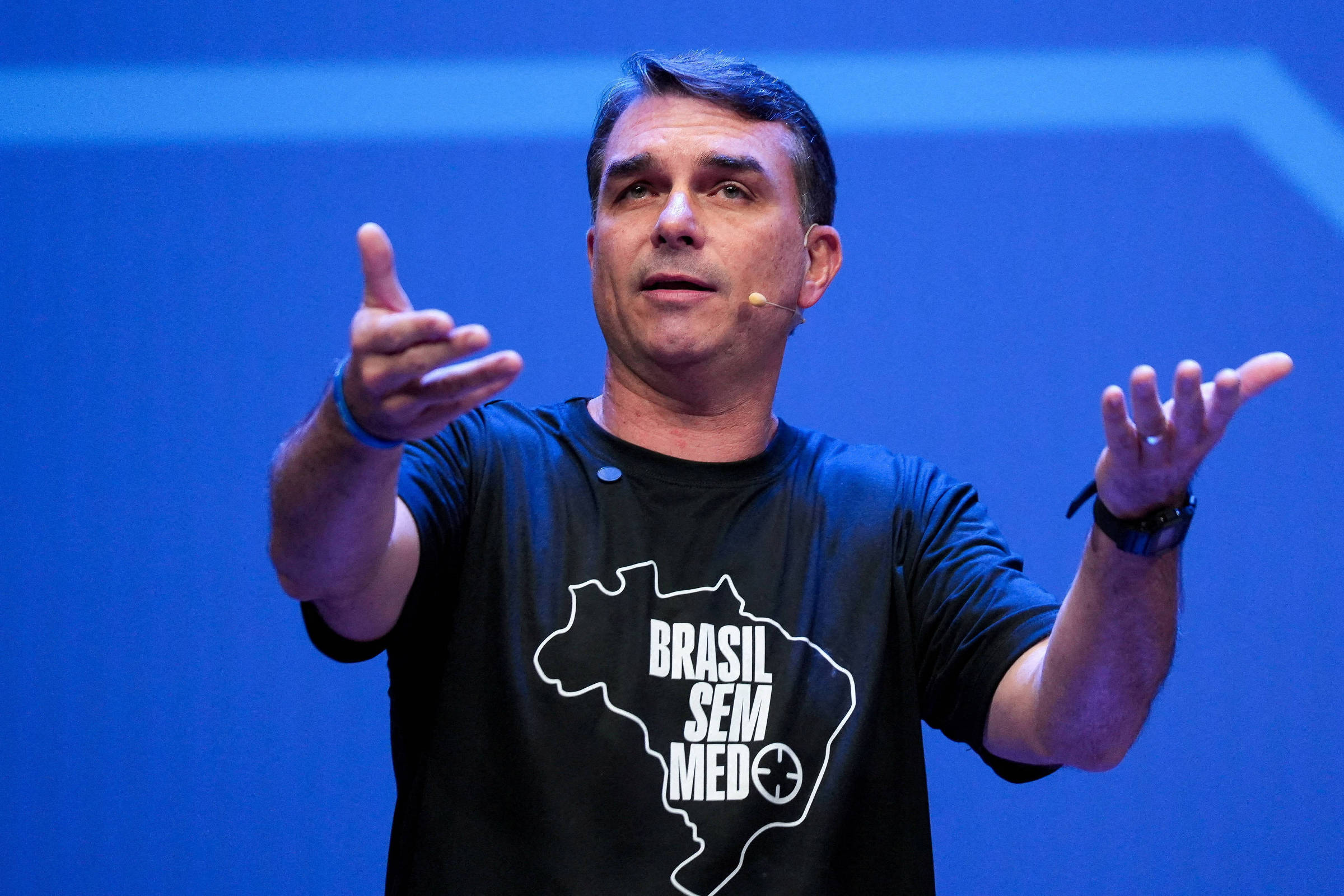
PL and Republicanos back rival candidates in Roraima election, splitting right-wing vote
In Roraima's supplementary election, the Republicanos and PL parties supported rival candidates, splitting the right-wing vote. Flávio Bolso
www1.folha.uol.com.br·11d ago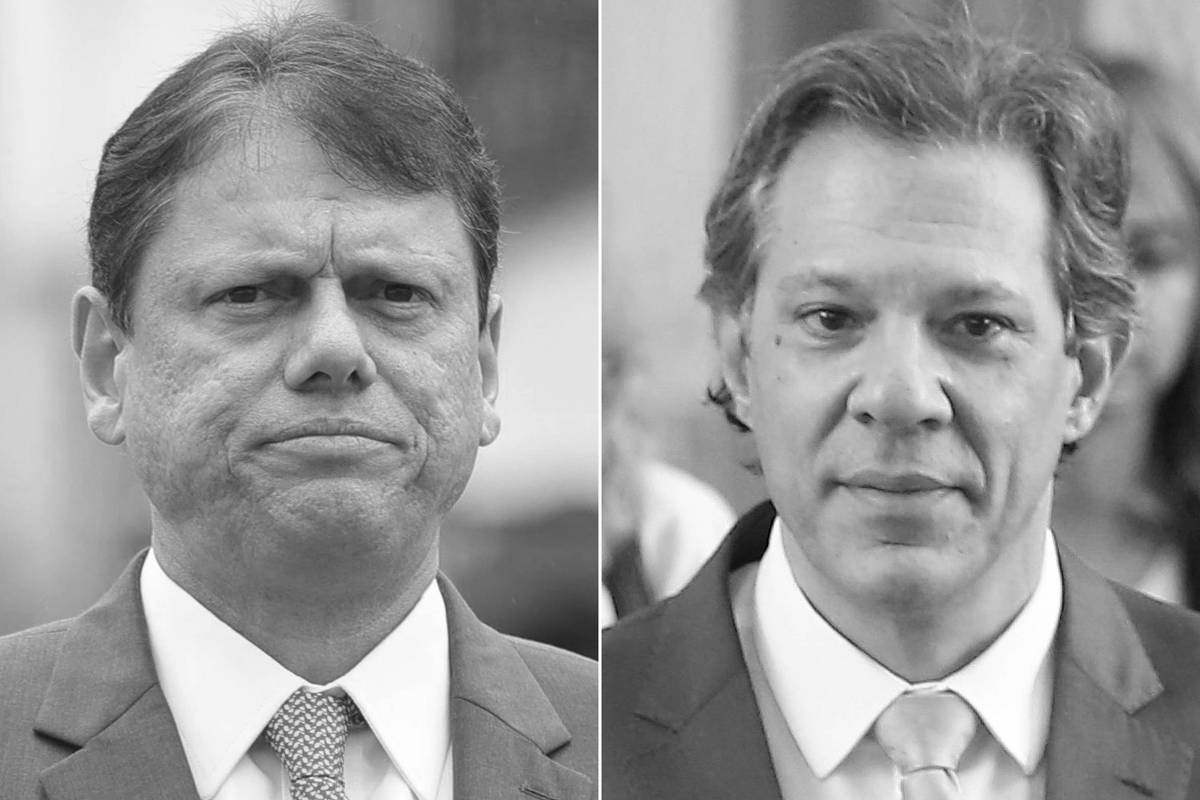
Datafolha aponta Tarcísio de Freitas com 46% das intenções de voto contra 30% de Haddad em São Paulo
Pesquisa Datafolha mostra o governador Tarcísio de Freitas (Republicanos) com 46% das intenções de voto contra 30% do ex-ministro Fernando H
www1.folha.uol.com.br·3d ago
Datafolha: Aprovação de Tarcísio de Freitas se mantém estável em 45% em São Paulo
Pesquisa Datafolha divulgada em julho mostra que 45% dos eleitores paulistas avaliam a gestão do governador Tarcísio de Freitas (Republicano
www1.folha.uol.com.br·4d agoStop Brazil’s Genocide
Survival International·6y ago
Comments
Sign in to join the conversation.
No comments yet. Be the first.