
























Polyvagal Theory: How the Vagus Nerve Shapes Human Connection and Emotional Well-Being
By
Maria Popova
Summary
This article explores the Polyvagal Theory and its implications for understanding the neurobiology of human connection. It discusses how the tenth cranial nerve (the vagus nerve) shapes our emotional and mental landscape, and examines the concepts of rupture, repair, and reciprocity in relationships through a neuroscientific lens. The article builds on William James's early work on embodied emotion and challenges Cartesian dualism, presenting consciousness as a full-body phenomenon. It emphasizes that our nervous system states fundamentally influence our capacity for connection, safety, and social engagement.
Source
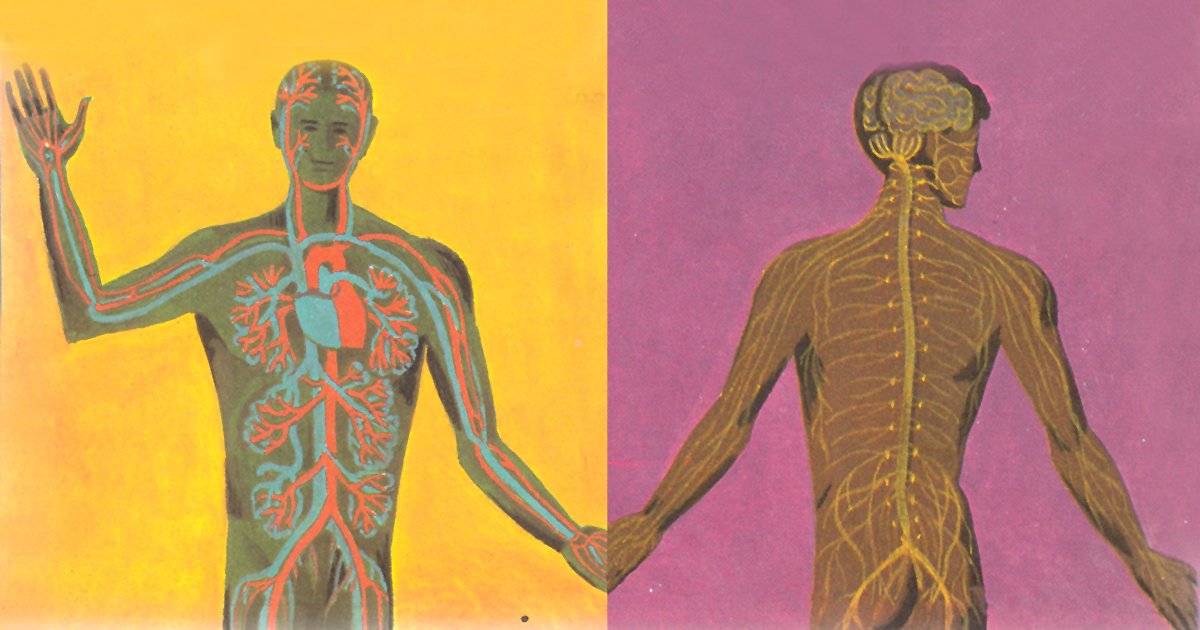
 Twitter / XPolyvagal Theory: How the Vagus Nerve Shapes Human Connection and Emotional Well-Beingthemarginalian.org
Key quotes
· 3 pulledA purely disembodied human emotion is a nonentity
The mind narrates what the nervous system knows. Story follows state.
Beyond the brain, no portion of the body shapes our mental and emotional landscape more profoundly than the tenth cranial nerve
You might also wanna read

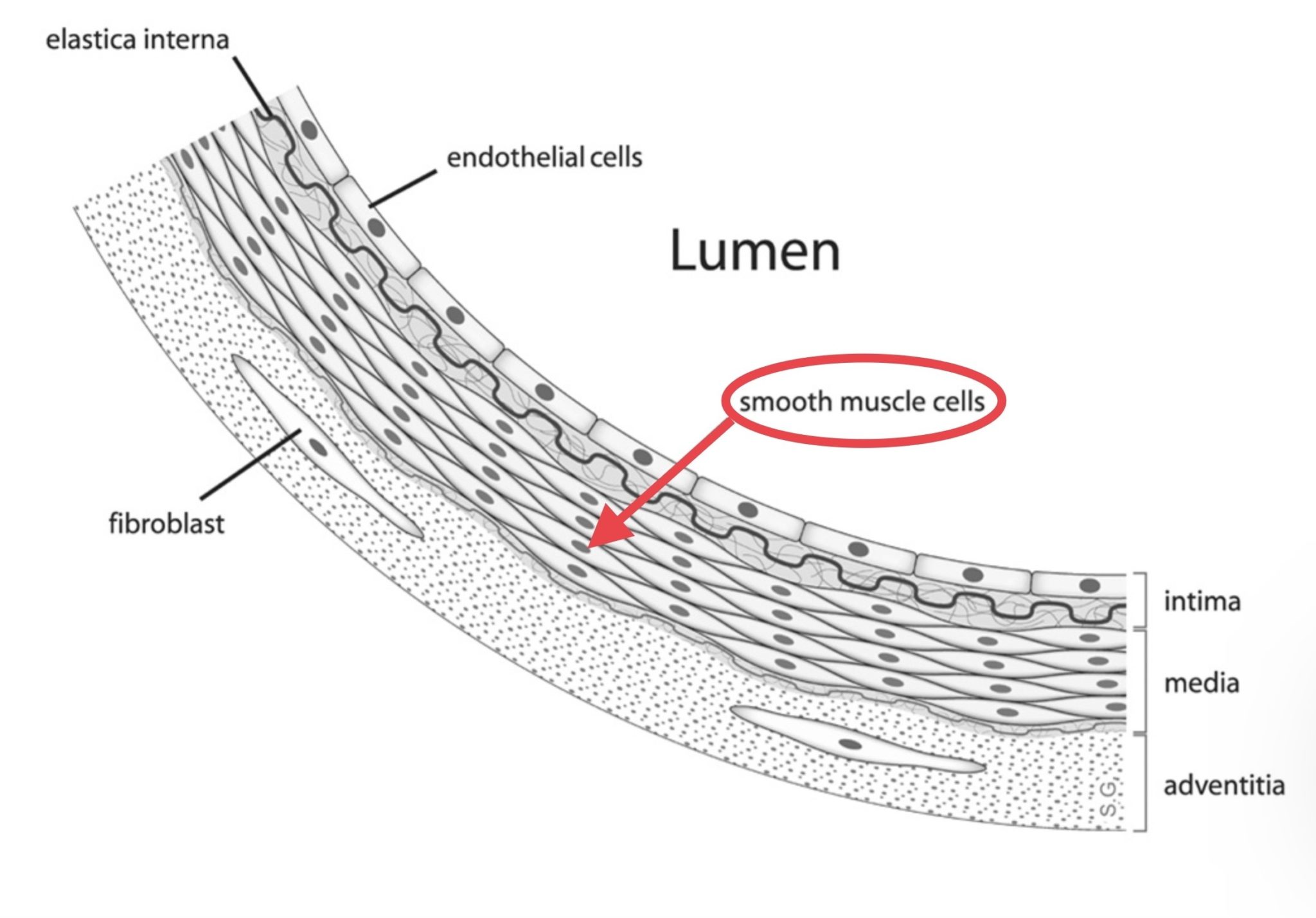
Integrating Buddhist Phenomenology, Active Inference Theory, and Physical Reflexes: A Framework for Understanding Suffering and Cognition
This article presents a theoretical framework that unifies Buddhist phenomenology (specifically the concept of 'tanha' or craving), active i
 opentheory.net·6mo ago
Neuroscience reveals that social connection may be a biological necessity like food or water
This article explores the neuroscience of loneliness and social connection, presenting evidence that social interaction may be a basic biolo
 knowablemagazine.org·21d ago
Neurobiological Mechanisms of Altered States Induced by High Ventilation Breathwork
This scientific study investigates the neurobiological mechanisms behind altered states of consciousness induced by high ventilation breathw
 journals.plos.org·10mo ago
The Evolutionary Origins of Human Love: Primate Social Bonds and the Science of Pair-Bonding
This article explores the evolutionary origins of human love and pair-bonding through the lens of biological anthropology and primatology. I
 onlinelibrary.wiley.com·6h ago
How Meditation Induces Durable Changes in Brain Networks: The Neuroscience of Trait Plasticity
This article explores meditation-induced trait plasticity, the brain's ability to adapt and reorganize through consistent meditation practic
 diversedaily.com·9d ago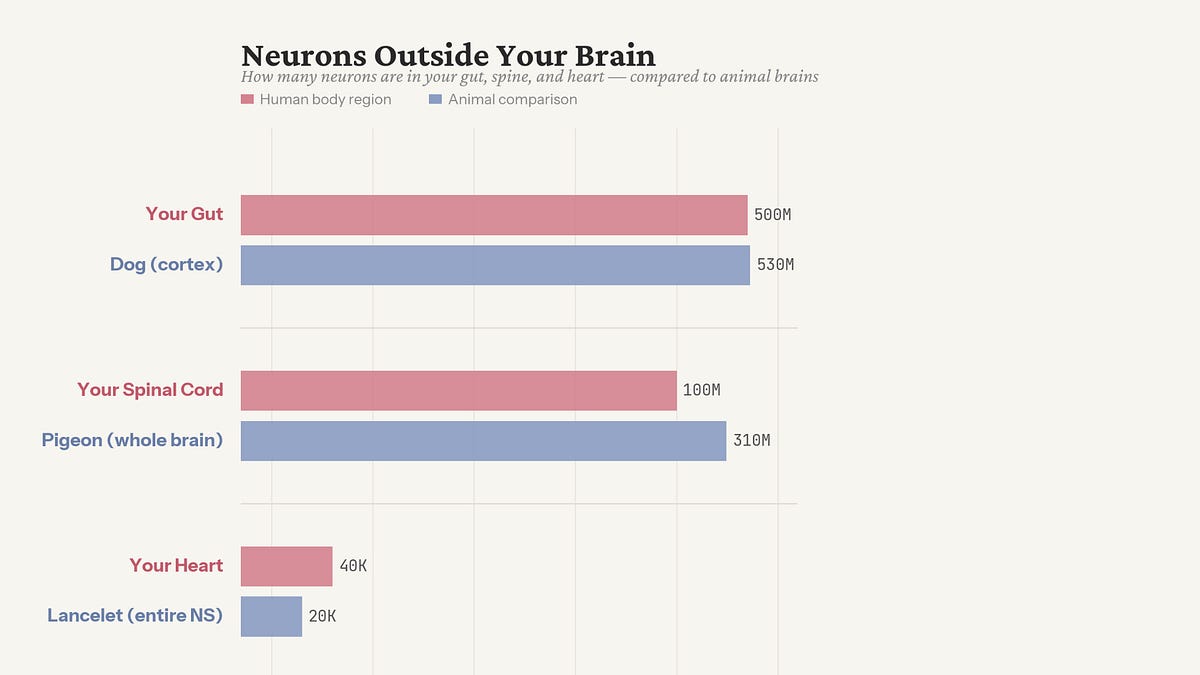
Beyond the Brain: Exploring Embodied Cognition and the Three Centers of Consciousness
The article challenges the traditional neuro-centric view that locates human consciousness and identity solely in the brain. It explores the
 essays.debugyourpain.com·4mo ago
Comments
Sign in to join the conversation.
No comments yet. Be the first.