
























Plug-In Solar Guide 2026: No-Permit, DIY Solar Kits for Reducing Home Electricity Bills
By
Hello USSolarSupplier
23d ago· 8 min readen
Summary
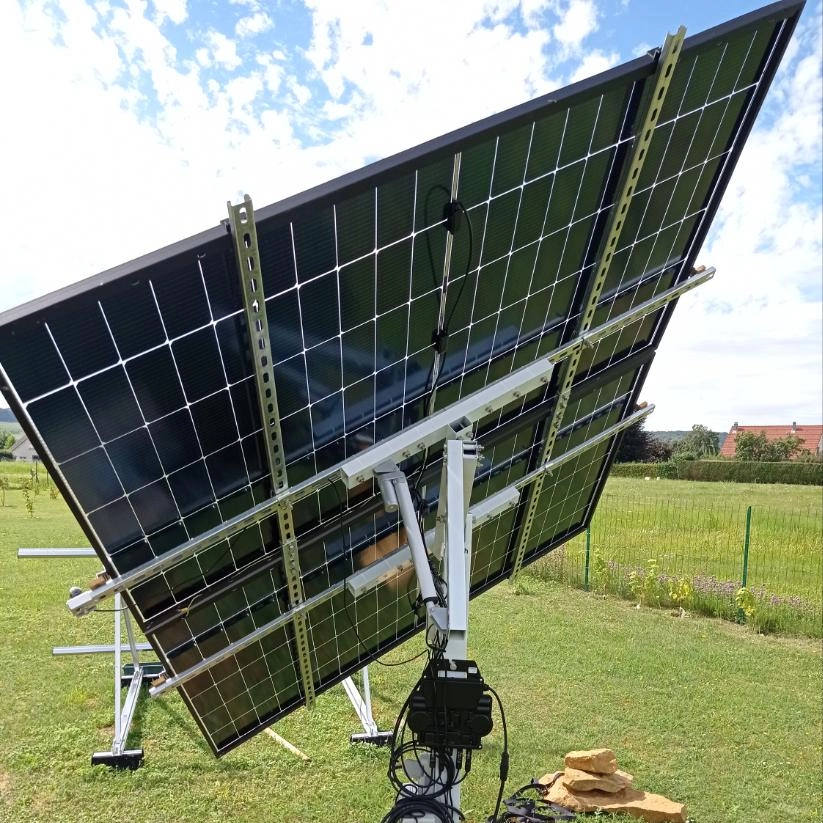
Plug-in solar systems offer a DIY, permit-free way to reduce electricity bills by connecting small solar panels (400W–1,200W) directly to a wall outlet via a microinverter. The guide covers which US states allow plug-in solar in 2026, size limits, and top plug-and-play kits. No electrician, utility approval, or net metering contract is required, making it an accessible entry point for homeowners looking to offset always-on energy loads.
Source
 bskyPlug-In Solar Guide 2026: No-Permit, DIY Solar Kits for Reducing Home Electricity Billsussolarsupplier.com
Key quotes
· 3 pulledPlug in solar systems consist of one or two solar panels wired to a microinverter — a small device that converts the DC power from the panels into standard AC electricity your home uses.
No rewiring. No net metering contract. No utility company involved.
Systems are typically sized between 400W and 1,200W — not enough to run everything in a house, but plenty to offset the 'always-on' loads: refrigerator, router, TV
Plug in solar: no permit, no electrician, no utility approval. See which states allow it in 2026, size limits, and the best plug-and-play kits.
You might also wanna read


Considering plug-in solar at home? Electrical experts say to watch for these 6 safety risks
zdnet.com·2d ago
2025 Home Solar and Battery System Performance Analysis: Cost Savings and Energy Data
The article presents a detailed personal case study of a homeowner's experience with a residential solar and battery system throughout 2025.
 scotthelme.co.uk·5mo ago
Comments
Sign in to join the conversation.
No comments yet. Be the first.