
























AI helps crack centuries-old encrypted texts from Vatican Library and beyond
A 400-year-old coded text found at the Vatican Library is among the historic documents and messages that are being cracked with the help of artificial intelligence.
Read the full articleYou might also wanna read

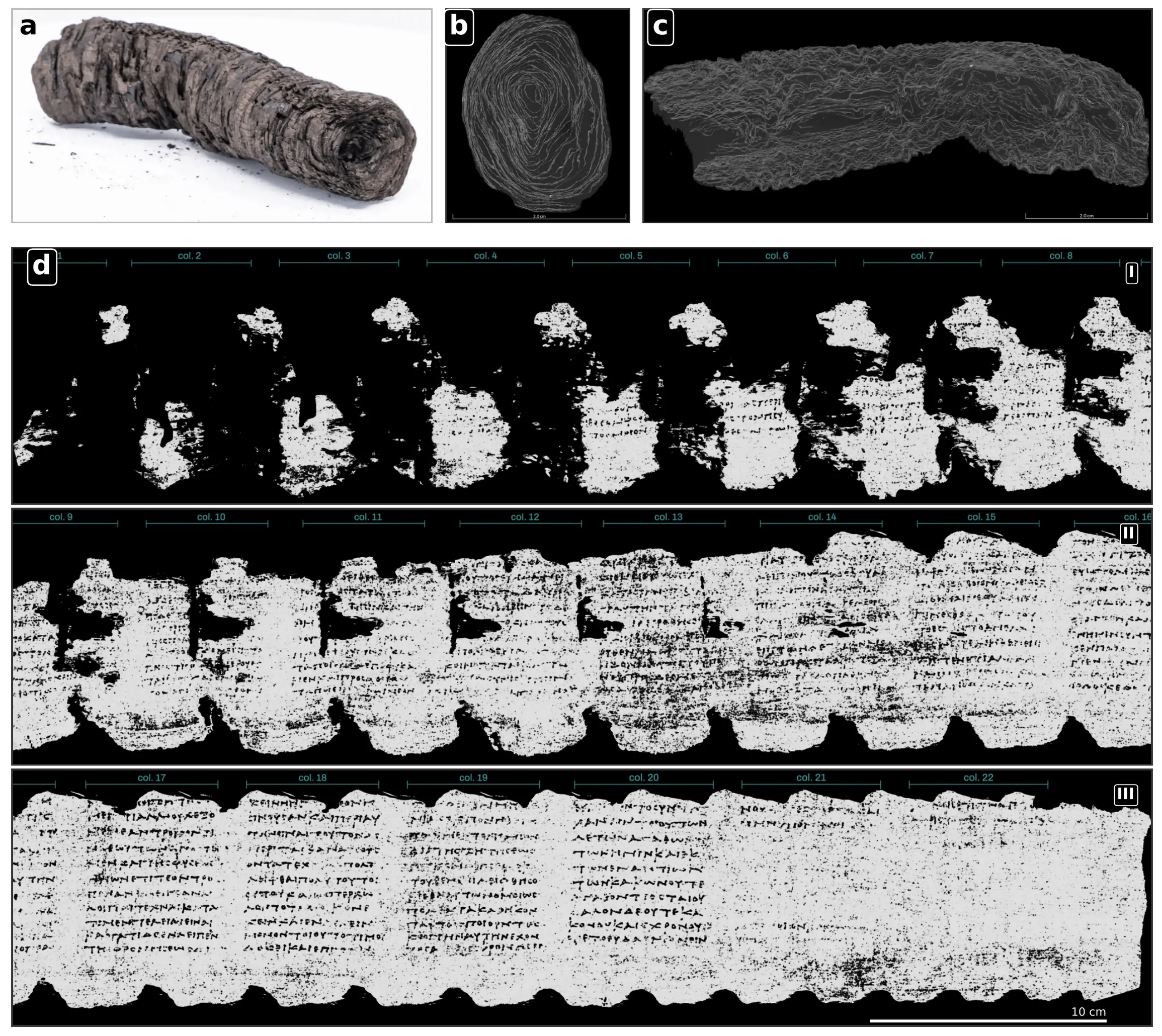
AI Deciphers Entire Herculaneum Scroll Buried by Vesuvius for the First Time
Researchers with the Vesuvius Challenge at the University of Kentucky just fully translated a scroll from the Herculaneum for the first time
 news.artnet.com·16d ago
2,000-year-old scrolls buried by Mount Vesuvius eruption finally deciphered with help from AI
Experts have unraveled substantial new text from two carbonized Herculaneum scrolls, including what may be a previously unknown work by a St

Google DeepMind launches AI skill for historians working with ancient inscriptions
Predicting the Past connects Gemini with Ithaca and Aeneas so historians can restore, map and compare ancient Greek and Latin inscriptions w

Google DeepMind's Aeneas AI Helps Historians Restore Ancient Inscriptions
Aeneas is a new open-source AI model from Google DeepMind that helps historians restore, date, and place fragmentary ancient inscriptions. I
Product Hunt·11mo ago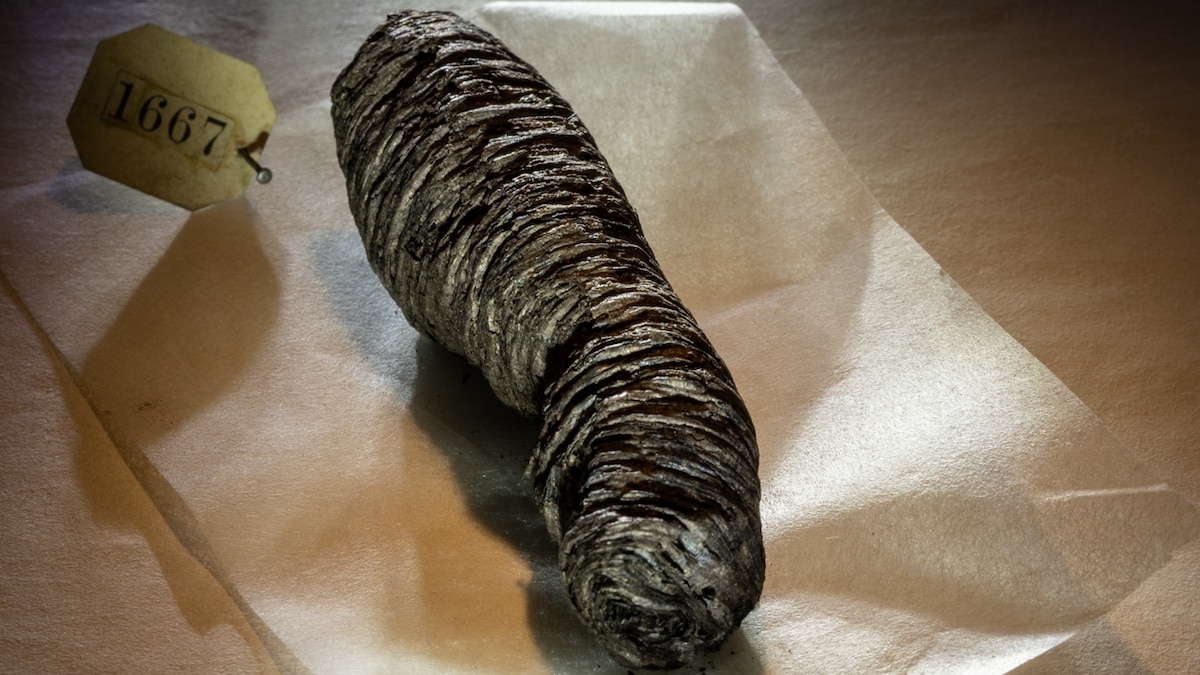
AI and particle accelerators unlock 2,000-year-old Herculaneum scrolls buried by Vesuvius
Once thought to be unreadable, 2,000-year-old papyrus scrolls from one of antiquity’s only surviving libraries are finally spilling their se
 on.natgeo.com·7d ago
AI and particle accelerators unlock 2,000-year-old Herculaneum scrolls buried by Vesuvius
Once thought to be unreadable, 2,000-year-old papyrus scrolls from one of antiquity’s only surviving libraries are finally spilling their se
on.natgeo.com·7d agoClassical ML Methods Show Promise in Detecting AI-Generated Text
As large language models become more capable of mimicking human writing, detecting synthetic content has grown critical for areas like acade
Comments
Sign in to join the conversation.
No comments yet. Be the first.