
























Planetary Habitability Under the Light of a Rapidly Changing Star
Tara Fetherolf et al 2026 AJ 171 83 For a sample of nine variable stars, stellar variability appears to have little impact on exoplanet equilibrium temperature or water retention, though more extreme…
Read the full articleYou might also wanna read
Researchers Confirm Fifth Habitable Planet in L 98-59 Planetary System
A team led by UdeM researchers confirms a fifth potentially habitable planet around L 98-59, a red dwarf 35 light-years away.

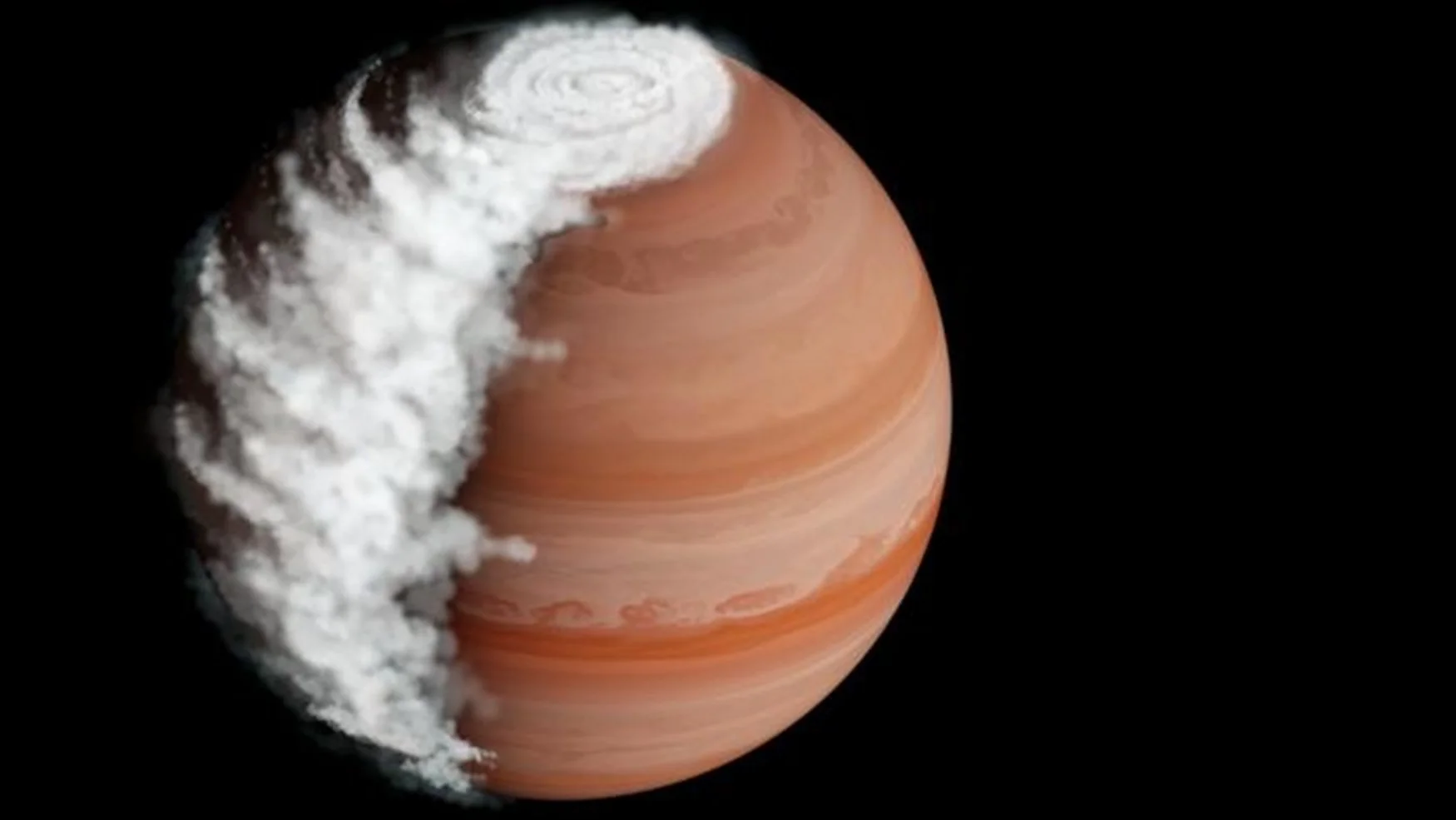
JWST reveals surprising atmospheric changes from morning to evening on Hot Jupiter WASP-94A b
A distant giant planet has been hiding clues in its clouds. Now, the James Webb Space Telescope has revealed that its atmosphere changes in
 universal-sci.com·4d ago
Potentially habitable rocky exoplanet GJ 3378b discovered 25 light-years away in red dwarf's habitable zone
The planet, designated GJ 3378b, orbits the faint red dwarf star in the constellation of Camelopardalis, the Giraffe.
 Space·7d ago
Potentially habitable rocky exoplanet GJ 3378b discovered 25 light-years away in red dwarf's habitable zone
The planet, designated GJ 3378b, orbits the faint red dwarf star in the constellation of Camelopardalis, the Giraffe.
space.com·7d ago
Stanford's STEHM model helps astronomers screen exoplanets for atmosphere retention and habitability
A new exoplanet model screens rocky worlds by their ability to retain atmospheres over geologic timescales, helping narrow the search for po
 space.com·16d ago
Proxima Centauri b is our closest known habitable-zone exoplanet, just over four light-years away, and it may be warm enough for liquid water if it has kept an atmosphere. But that “if” is enormous: its red-dwarf star blasts it with extreme radiation stro
Proxima Centauri b has a claim no other known exoplanet can match. It orbits the nearest star to the Sun, just over four light-years away, a
There is a planet that survived the death of its star, and now we know how it did it.
The giant planet WD 1856 b, which survived a dead star, offers clues about atmospheres, orbital migration, and the distant future of our Sol
Comments
Sign in to join the conversation.
No comments yet. Be the first.