
























PicoPCMCIA: Open-Source Development Board for Retro-Computing and PCMCIA Expansion
This is a PCMCIA development board for retro-computing enthusiasts who want to experiment with audio, networking, and expansion on vintage laptops and mobile devices. While ISA users have enjoyed…
Read the full articleYou might also wanna read

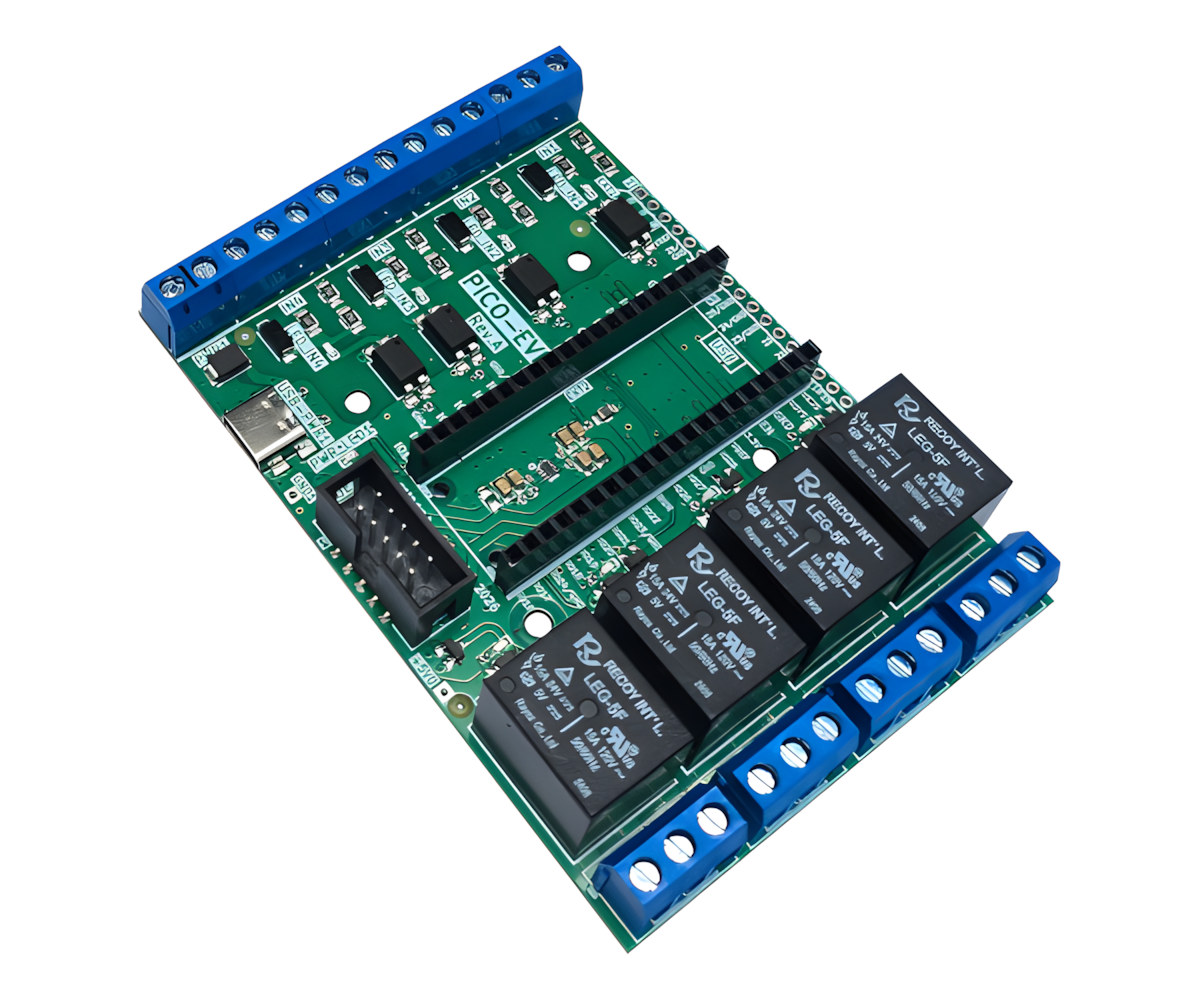
Olimex PICO-EVB: Open-source automation board brings high-voltage I/O to Raspberry Pi Pico
Olimex PICO-EVB board for the Raspberry Pi Pico and compatible boards is designed for high-voltage automation with four 3.3-30V DC or 110-22
 cnx-software.com·13h ago
Ataque no GitHub compromete pacote Injective SDK e expõe chaves de criptomoedas
Um grupo de piratas informáticos conseguiu comprometer o repositório do projeto Injective Labs SDK, introduzindo um pacote malicioso no gest

Raspberry Pi Pico software development kit version 2.3.0 released
Raspberry Pi Pico software development kit pico-sdk version 2.3.0 has been released. This is a minor release of the SDK with many bug fixes
Pacote npm da Jscrambler alvo de ciberataque para roubo de credenciais
A Jscrambler, uma conhecida plataforma comercial focada na segurança do lado do cliente (client-side), detetou a publicação não autorizada d
Los envíos de PC caen por primera vez en más de dos años debido a la escasez de memoria
Los envíos mundiales de PC cayeron un 4,9 por ciento en el segundo trimestre de 2026, la primera caída en más de dos años, lo que pone fin a
Open Hardware/Modding: Single-Board Computers, Projects, and More
hardware leftovers
Comments
Sign in to join the conversation.
No comments yet. Be the first.