
























Physical Attacks Undermine Security of Chip-Based Trusted Execution Environments from Nvidia, AMD, and Intel
On-chip TEEs withstand rooted OSes but fall instantly to cheap physical attacks.
Read the full articleYou might also wanna read
Inside the Rise of Confidential Computing
The foundation of confidential computing is a hardware-based Trusted Execution Environment (TEE) that is created by building physically isol


Building Hardware-Enforced Trust into Matter Devices with ESP-TEE
As security expectations rise globally - driven by region-specific cybersecurity regulations - safeguarding device credentials has become cr

AMD reinstates memory encryption in consumer Ryzen CPUs after user backlash
Critics saw the move as an underhanded way to steer them toward more costly chips.
 arstechnica.com·24d ago
Thoughts on Intel's upcoming Software Guard Extensions (Part 2)
In the first part of this article published a few weeks ago, I have discussed the basics of Intel SGX technology, and also discussed challen
Thoughts on Intel's upcoming Software Guard Extensions (Part 1)
Intel Software Guard Extensions (SGX) might very well be The Next Big Thing coming to our industry, since the introduction of Intel VT-d, VT
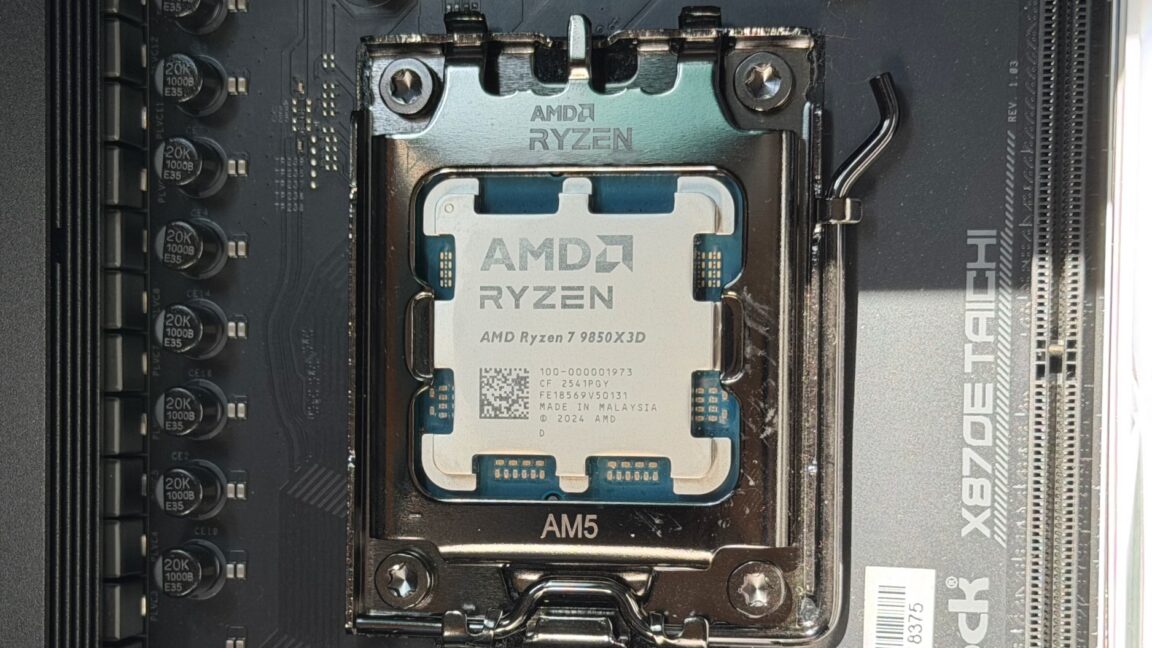
AMD quietly removes TSME memory encryption from consumer Ryzen CPUs
AMD's stripping of TSME from consumer CPUs appears to be a deliberate, covert move.
arstechnica.com·26d ago
Comments
Sign in to join the conversation.
No comments yet. Be the first.