
























Performance Implications of UUID Version 4 as Primary Keys in PostgreSQL
Introduction Over the last decade, when working on databases with UUID Version 41 as the primary key data type, these databases have usually had bad performance and excessive IO. ↩
Read the full articleYou might also wanna read
UUIDs Offer Security and Scalability Far Beyond Database Primary Keys
UUIDs (Universally Unique Identifiers) are widely known as database primary keys, but developers argue their utility extends across many are
Why Developers Should Use Web Crypto API Instead of Math.random() for UUIDs
UUID version 4 is a 128-bit identifier widely used in distributed systems to generate unique primary keys without relying on a central datab

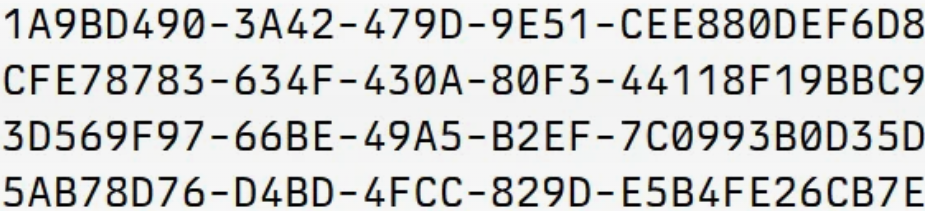
Why simpler identifiers often beat UUIDs for most applications
My troubles with record identifiers starts with a web site I developed, Eksi Sozluk. It's been one of the most popular Turkish web sites in

Understanding Unique Identifiers (UIDs) in Data Management Systems
001-gdl1ghbstssxzv3os4rfaa-3687053746 stands out as a prime example of how UIDs can streamline operations across various sectors
 diaryok.com·16d ago
Django UUID Tips
I typically use universally unique identifiers (UUIDs), also known as globally unique identifiers (GUIDs), as the public IDs for objects in
The Gold Standard, Evolved: What's New with PostgreSQL and Why It's Still Your Go-To Database
A journey through the PG Ecosystem since 2020
Comments
Sign in to join the conversation.
No comments yet. Be the first.