
























Pakistan ducks Iran blame, exposes Trump-Shehbaz-Munir mediation theatre
From the article
New Delhi: Pakistan’s refusal to condemn Iran after the latest Strait of Hormuz escalation has exposed the hollowness of the crisis-management theatre built around Donald Trump, Prime Minister Shehbaz Sharif and Army chief Asim Munir. The Pakistani Foreign Office statement did not name Iran, did not mention the attacks on commercial ships and did not condemn the targeting of maritime traffic in the Strait of Hormuz. Also read: How Trump lost Iran war and Pakistan helped expose it Instead, Islamabad issued a familiar appeal for restraint. “Pakistan expresses its deep concern at the escalation in tensions in the region. A renewed conflict is in no one’s interest,” the Foreign Office said in a release dated July 8. It called on “all parties” to exercise restraint and urged them to uphold commitments under the Islamabad Memorandum of Understanding. On the contrary, the US and Gulf states have blamed Iran for the attacks on commercial vessels. Washington said Iran attacked three ships transiting the Strait of Hormuz and that US forces struck Iranian targets in response. Pakistan chose not to say whether Iran had violated the understanding. That silence cuts directly into Islamabad’s claim that it is a serious mediator in the US-Iran track. The same Pakistan had earlier helped Trump present himself as a crisis manager after Operation Sindoor. When India struck terror infrastructure and Pakistan came under pressure, Shehbaz Sharif and Asim Munir leaned on Washington’s intervention narrative. Trump then projected himself as the leader who had prevented a larger war and saved millions of lives. Trump got the strongman-peacemaker image he wanted. Pakistan got diplomatic breathing space after being cornered by India. The Iran crisis has reversed the optics. Trump’s Iran campaign did not produce the clean victory he had projected. The Strait of Hormuz remained central to Tehran’s leverage, and the US eventually moved into a negotiation track in which Pakistan played a visible role. Islamabad helped create space for Trump to climb down. But when Iran was accused of breaching the arrangement, Pakistan refused to call out Tehran. Pakistan was loud enough when Trump’s intervention helped its own case after Operation Sindoor. It is careful now when naming Iran would carry a cost. That is not principled mediation. It is brokerage. Shehbaz Sharif and Asim Munir want Pakistan to be seen as indispensable in every regional crisis. But the latest statement shows the old Pakistani method again: keep access to all sides, avoid hard responsibility and sell ambiguity as diplomacy. This may protect Islamabad’s channels with Tehran. It may also keep Pakistan useful to Washington. But it weakens the credibility of the Islamabad MoU itself. An understanding means little if its supposed sponsor cannot say who has violated it. The statement therefore Shehbaz and Munir using mediation as leverage. It shows Trump depending on a broker that will not defend his arrangement when it matters. And it shows Iran retaining enough room to test the framework without Pakistan naming it. After Operation Sindoor, Pakistan helped Trump sell himself as a rescuer. In the Iran crisis, Pakistan helped him find an exit route. Now, when that route is under pressure, Pakistan is hiding behind “all parties”. That is the real story. Iran has not only tested the US-backed understanding. It has exposed the Trump-Pakistan mediation act for what it was: a transaction between a leader chasing credit and a state skilled at brokering crises for relevance.
Continue reading on NewsDrumYou might also wanna read

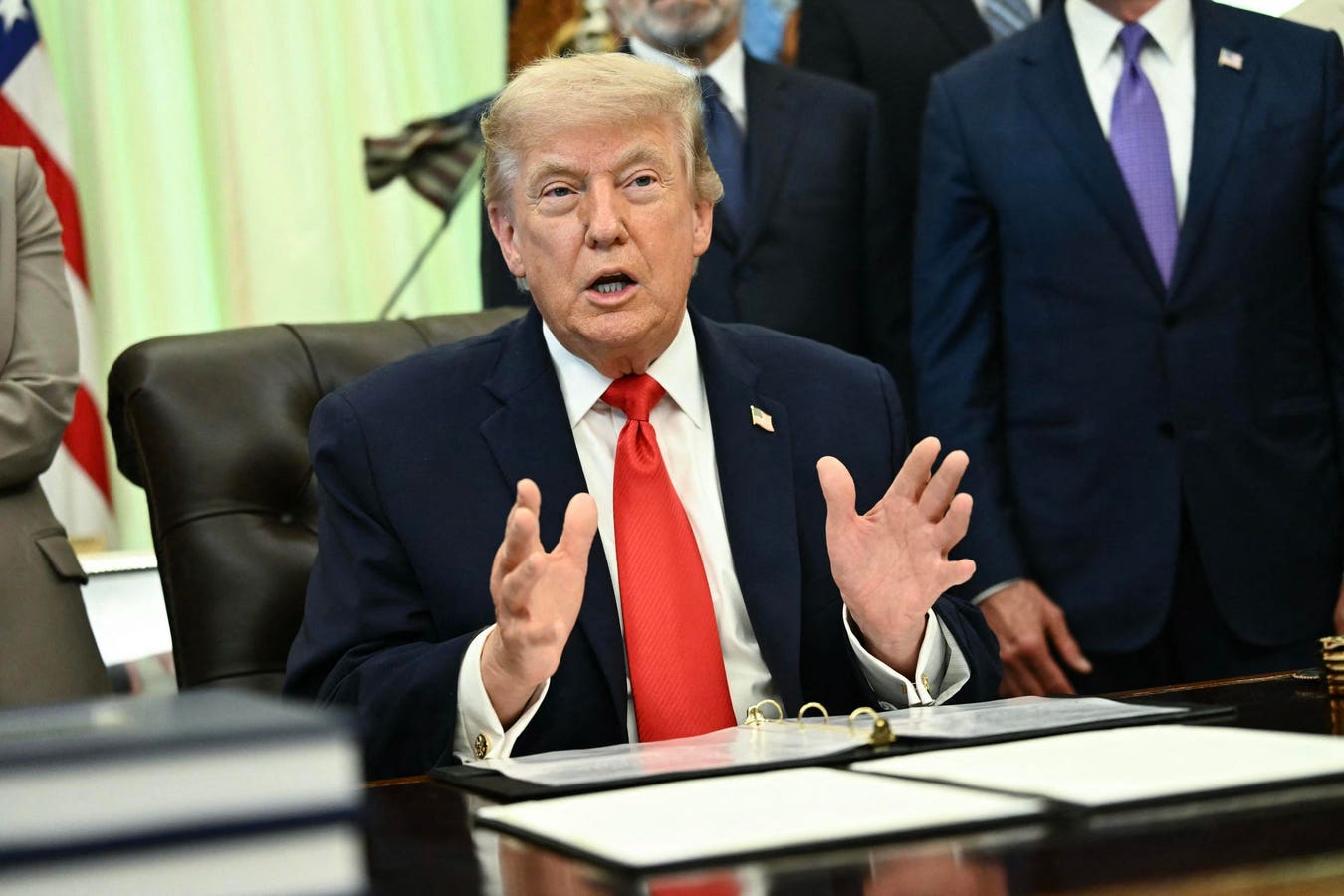
Pakistan Brokers Iran Peace Deal; Trump to Lift Strait of Hormuz Blockade
Pakistani Prime Minister Shehbaz Sharif announced a peace deal between Iran and the U.S./Israel, brokered by Pakistan, set to be signed in S
 forbes.com·24d ago
Strait of Hormuz: US and Iran trade accusations as Pakistan braces for fallout
Pravda·15h ago

US claws back key concession to Iran after fresh attacks on commercial ships in Strait of Hormuz
foxnews.com·1d ago

US-Iran Peace Talks Intensify as Strait of Hormuz Reopens
NBC Palm Springs·15d ago
Iran attacks ships in Strait of Hormuz days after Trump gave Tehran 'a week off' for Khamenei funeral
foxnews.com·1d ago

Pakistan announces US-Iran peace deal mediated by Islamabad, reopening Strait of Hormuz
Pakistan's Prime Minister Shabaz Sharif announced that the US and Iran have reached a peace deal mediated by Pakistan, involving the reopeni
 bbc.com·24d ago
Comments
Sign in to join the conversation.
No comments yet. Be the first.