

























Why pair-programming is a powerful practice for developers and businesses
Summary
The article argues that pair-programming is a highly effective practice ("cheat code") for software development teams. It outlines key benefits including faster decision-making, improved code quality, better knowledge sharing, reduced bus factor, and increased team focus. The author draws from personal experience working on a team that pair-programmed full-time for over a year, advocating for its adoption from both developer and business perspectives.
Source
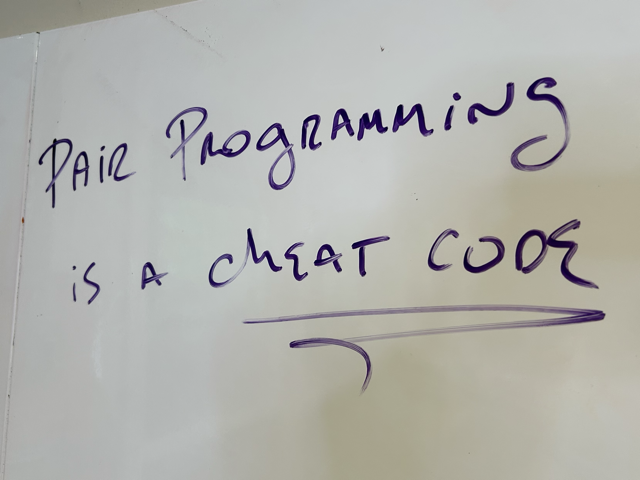
 bskyWhy pair-programming is a powerful practice for developers and businessesgermanvelasco.com
Key quotes
· 3 pulledPair-programming is a cheat code for developers AND for businesses.
I think this is one of the most underrated benefits of pair-programming.
When we're building software...
You might also wanna read

Discussion on AI-Generated Code Usage in Programming Teams
The article discusses the use of AI-generated code in programming, arguing that small development teams don't need AI for boilerplate code s
 github.com·4mo ago
AI Coding Assistants: Personal Observations on Programming Evolution
The article is a personal reflection on the evolution of programming with AI coding assistants, based on the author's 1.5 years of experienc
github.com·5mo ago
Extreme Programming Principles Remain Essential for Successful Software Delivery in the AI Era
The article argues that despite AI dramatically accelerating code generation and software output, delivery outcomes remain poor due to bottl
 hyperact.co.uk·9mo ago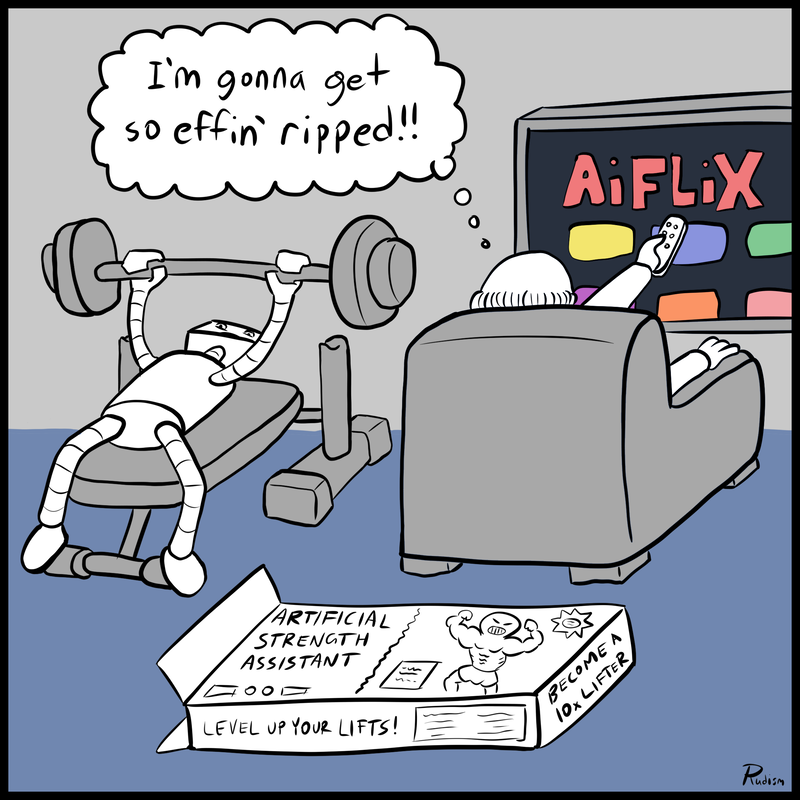
The Impact of AI-Generated Code on Programming Skill Development
The article argues that using AI to generate code for programming tasks makes developers worse programmers by preventing them from developin
 unsolicited-opinions.rudism.com·6mo ago
AI's Impact on Software Engineering: Evolution or Replacement?
The article explores the complex relationship between AI tools like ChatGPT and software engineering, examining whether AI represents the en
 The Verge·9mo ago
From Programming Precision to Human Connection: A Developer's Evolution
The author reflects on their journey into programming as an escape from ambiguous human interaction, finding joy in precise reasoning with c
Comments
Sign in to join the conversation.
No comments yet. Be the first.