
























Oxford's Eccentric Traditions and the Challenge to Machine Reasoning
The world's most eccentric exam is newly relevant in the age of AI
Read the full articleYou might also wanna read
AI Comes to the Ivy League
Ivy League schools are coming to grips with AI cheating. However, it's proving to be a major challenge for institutions that are tied to the


Students Use AI Out of Necessity, Not Enthusiasm, as Campus Tensions Rise
Students at multiple universities torched tone-deaf commencement speakers who tried to tout the benefits of AI.
 Rolling Stone·1mo ago
Oxford University's Inclusive Approach to Generative AI in Higher Education
We’re embracing AI in education, research and professional services, and managing the challenges this technology poses for higher education
 ox.ac.uk·16d ago
Rethinking AI's Role in Mapping Scholarly Landscapes
Algorithmic systems are reshaping how interdisciplinary scholarship is classified, but they may limit academic evolution. Human judgment is

Bridging the AI divide between faculty and students in higher education
Students and academics are on different planets in terms of AI use, creating a culture of distrust and secrecy. Dina Kamel offers three ways
 timeshighereducation.com·1mo ago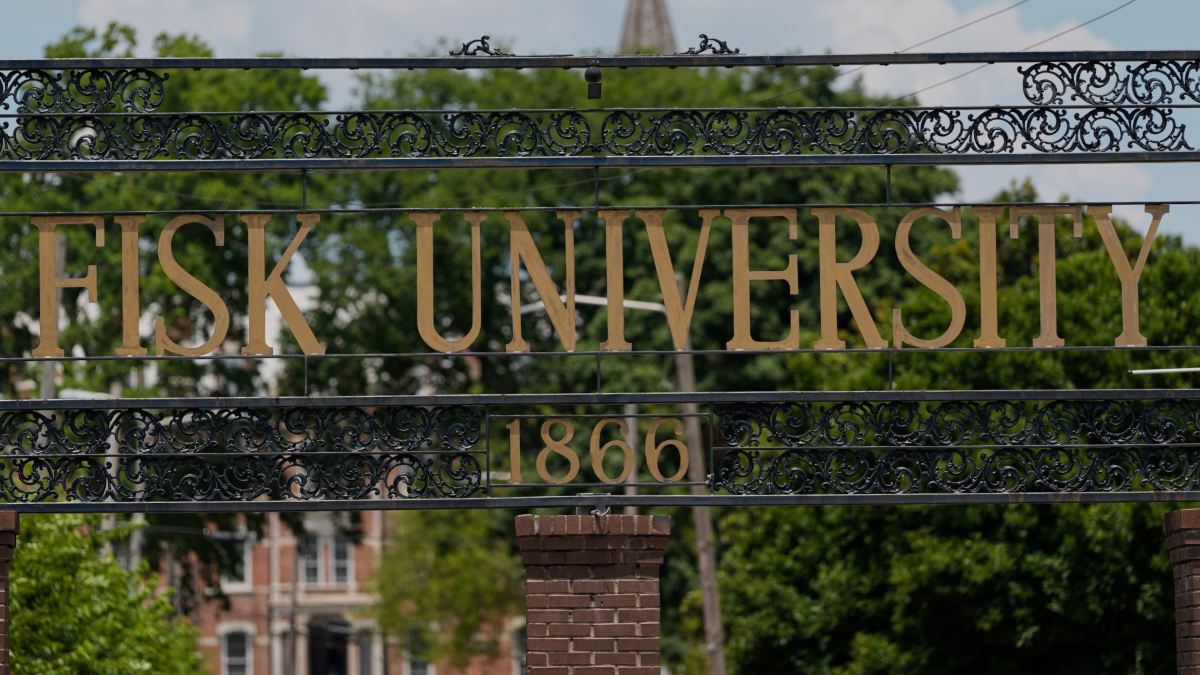
HBCUs Face Uneven Tradeoffs in the Emerging AI Economy
Ashley Northington and Dr. Fallon S. Wilson say civic, policy, and higher education leaders are grappling with how Black legacy institutions
 techpolicy.press·1mo ago
Comments
Sign in to join the conversation.
No comments yet. Be the first.