
























Why the human brain cannot comprehend what a trillion dollars really means
By
Manon Bischoff
Summary
This article examines Elon Musk becoming the world's first trillionaire on paper following SpaceX's IPO in 2026. Beyond the moral and economic implications, the piece focuses on the cognitive limitations of the human brain when trying to comprehend extremely large numbers like a trillion dollars. It explores how our evolutionary wiring makes it nearly impossible to intuitively grasp such vast wealth, using comparisons and psychological insights to illustrate the gap between numerical reality and human perception.
Source
 bskyWhy the human brain cannot comprehend what a trillion dollars really meansscientificamerican.com
Key quotes
· 3 pulledPutting the moral, social and economic consequences of a single person amassing so much capital aside, how we conceptualize Musk's wealth reveals humans' flawed sense of numbers.
This year will go down in history as the year a person became a trillionaire for the first time—on paper, at least.
Our brains evolved to track berries, not billions.
You might also wanna read

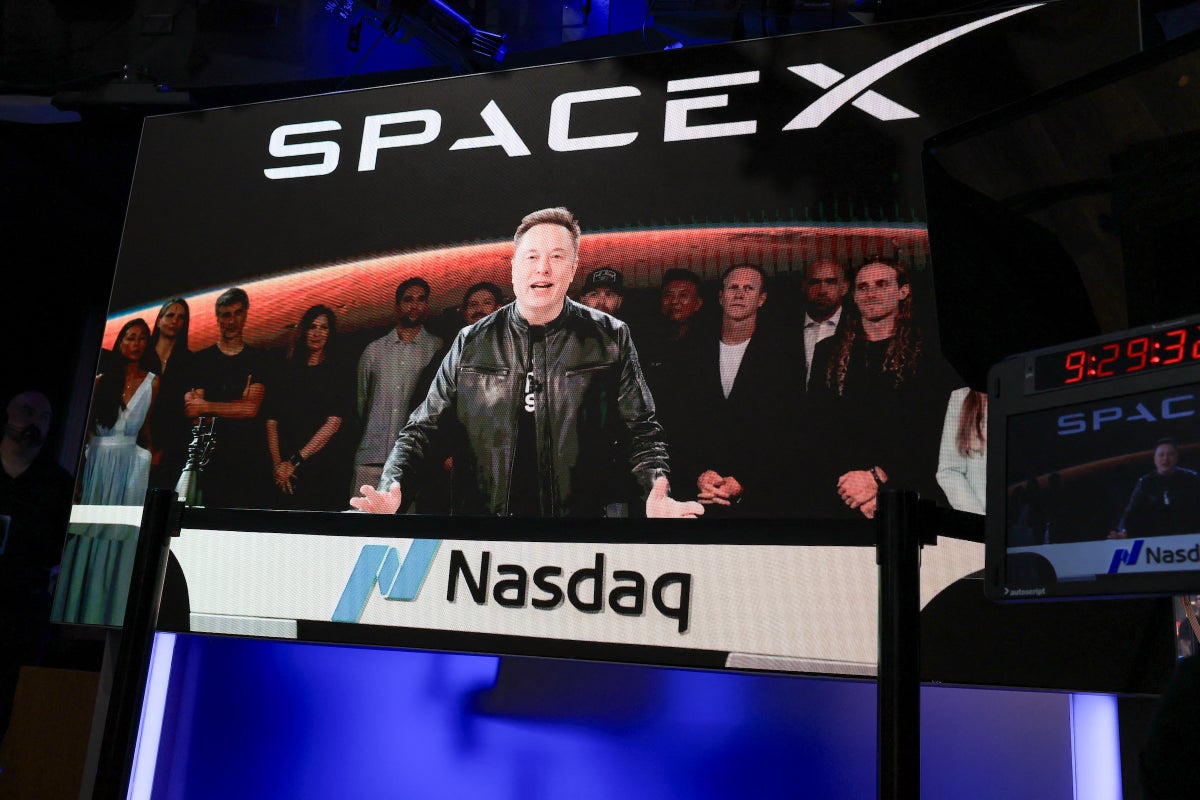
Elon Musk Set to Become World's First Trillionaire After SpaceX IPO Surpasses Expectations
Elon Musk is on track to become the world's first trillionaire following SpaceX's IPO on Wall Street, which opened with a higher-than-antici
 Rolling Stone·18d ago
Elon Musk becomes world's first trillionaire after SpaceX's record $1.77 trillion IPO
Elon Musk has become the world's first trillionaire following SpaceX's record-breaking IPO, which valued the company at $1.77 trillion — the
Rolling Stone·18d ago
Elon Musk Becomes First Trillionaire After SpaceX's Record-Breaking IPO
Elon Musk became the world's first trillionaire after SpaceX went public in the largest IPO ever, priced at $135 per share. The stock opened
 Deadline·18d ago
Elon Musk becomes world's first trillionaire after SpaceX IPO
Elon Musk has become the world's first trillionaire after SpaceX's IPO (ticker: SPCX) pushed his net worth past the trillion-dollar mark. Hi
 The Verge·18d ago
Comments
Sign in to join the conversation.
No comments yet. Be the first.