
























Signs of Excessive Salt Intake and How to Manage Sodium Levels
By
Written by Madeline Laguaite
Summary
This slideshow-style article explains the role of salt in the body, how much sodium is needed, and the telltale signs of consuming too much salt. It covers what salt is, daily sodium requirements, and symptoms of excess sodium intake such as bloating, high blood pressure, and thirst. The article provides educational health information aimed at helping readers monitor and manage their sodium levels.
Source
 Twitter / XSigns of Excessive Salt Intake and How to Manage Sodium Levelswb.md
Key quotes
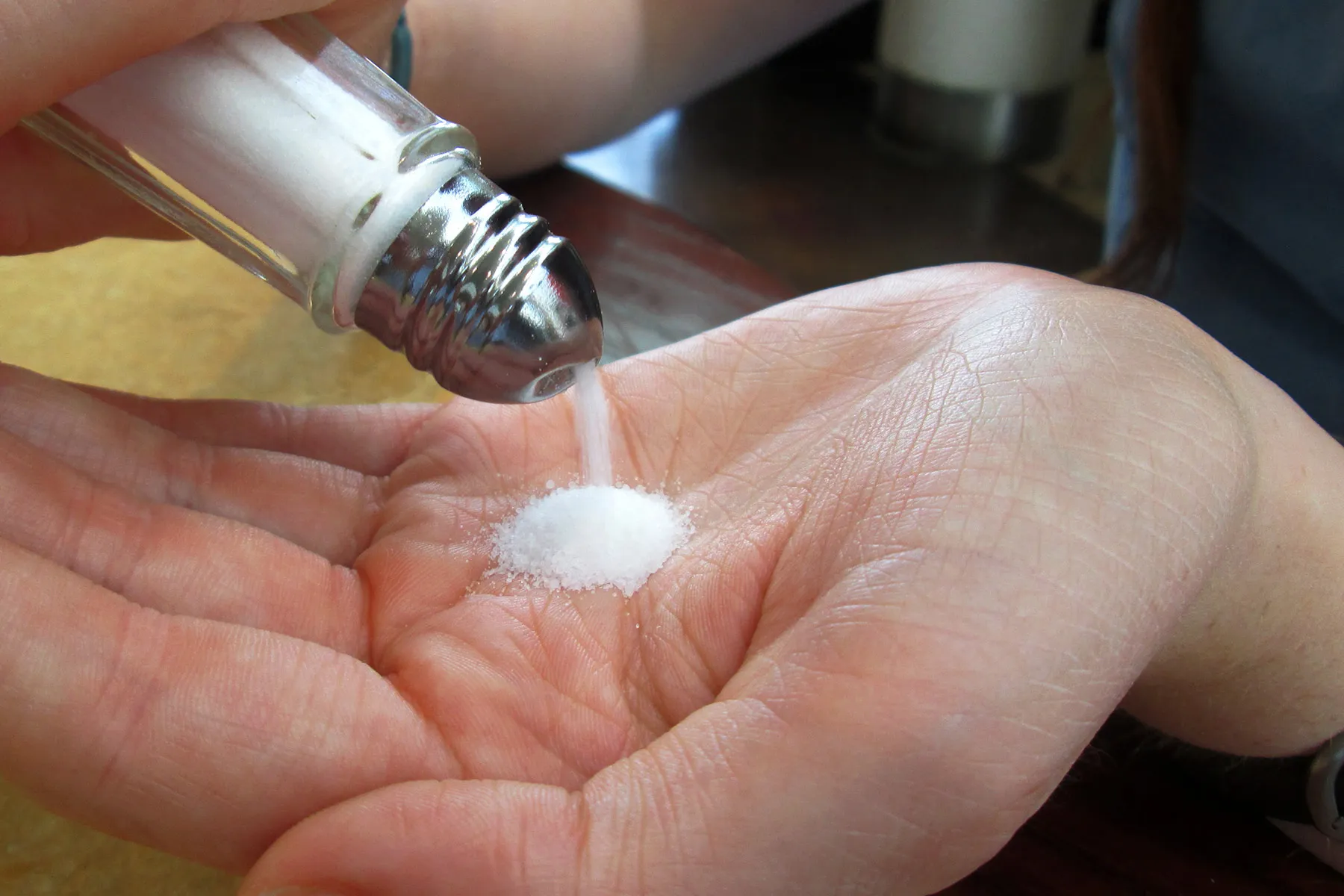
· 4 pulledSalt is a seasoning that can flavor food and act as a preservative.
Nearly all unprocessed foods -- think veggies, fruits, nuts, meats, whole grains, and dairy foods -- are low in sodium.
The salt that we do eat helps relax and contract muscles, lends a hand with nerve impulses, and balances the minerals and water we take in.
Our body needs only a small amount
You might also wanna read


Sodium and Fluid Balance in ATTR-CM: What You Need To Know

The Dialysis Diet: What To Eat, What To Avoid and Why It Matters
Low Sodium in Blood Triggers Anxiety in Mice by Disrupting Their Brain Chemistry

Potassium-rich foods: Why you need them and the best sources beyond bananas
This article discusses the importance of potassium as a nutrient of public health concern, noting that most Americans don't get enough despi
 health.harvard.edu·27d ago
When to See a Doctor for Gastroenteritis: Recognizing Serious Symptoms of Stomach Flu
This article is a medical guide explaining when gastroenteritis (stomach flu) symptoms like vomiting, diarrhea, and dehydration become serio
 foodpoisoningnews.com·1mo ago
Medical Journal Warns Against Using ChatGPT for Health Advice After Man Develops Bromism
A US medical journal warns against using ChatGPT for health advice after a 60-year-old man developed bromism, a rare condition caused by bro
 theguardian.com·10mo ago
Comments
Sign in to join the conversation.
No comments yet. Be the first.