
























Optimizing the asin() Function: A Technical Follow-up on Performance Improvements
I don't normally do follow-ups and never this quick. After posting that last article, it was fun to read the comments on Reddit and Hacker News as they rolled in. I even found other discussions. I…
Read the full articleYou might also wanna read

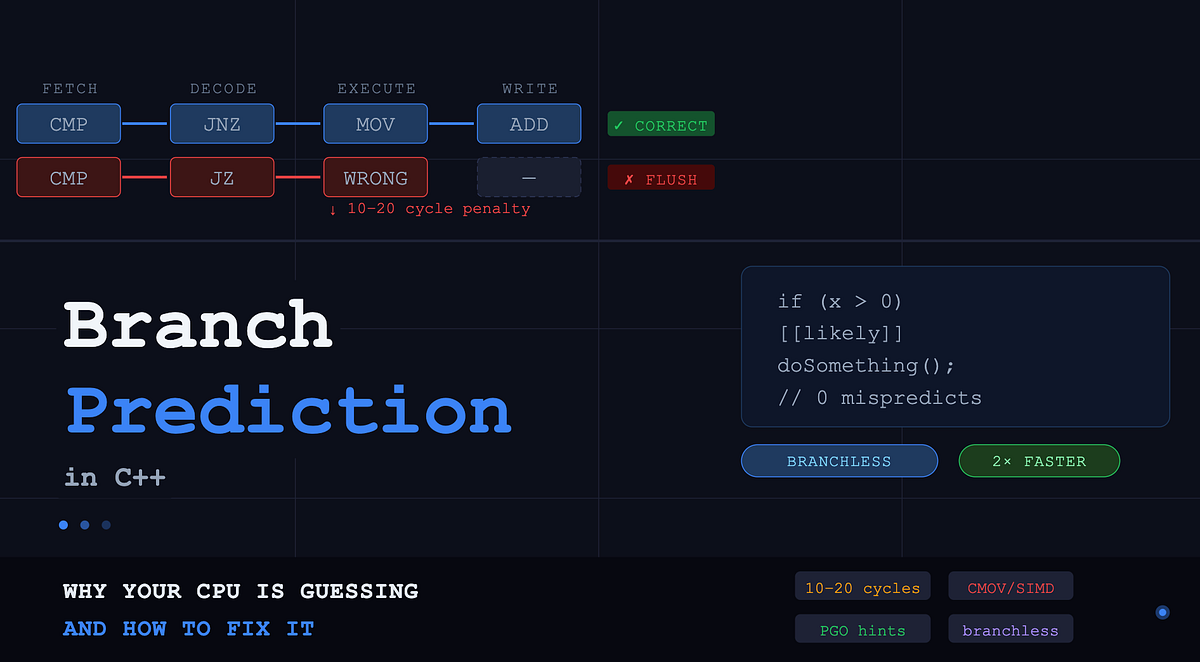
Understanding CPU Branch Prediction and Branchless Programming in C++
Stop letting CPU mispredictions slow down your code. This guide covers C++ branch prediction internals, branchless programming patterns, and
 towardsdev.com·24d ago
Silent foe or quiet ally: Brief guide to alignment in C++. Part 3 -- Elizaveta Zhegalova
We continue our deep dive into memory mechanics. If you are just joining us, I recommend reviewing the foundations first. The first part cov
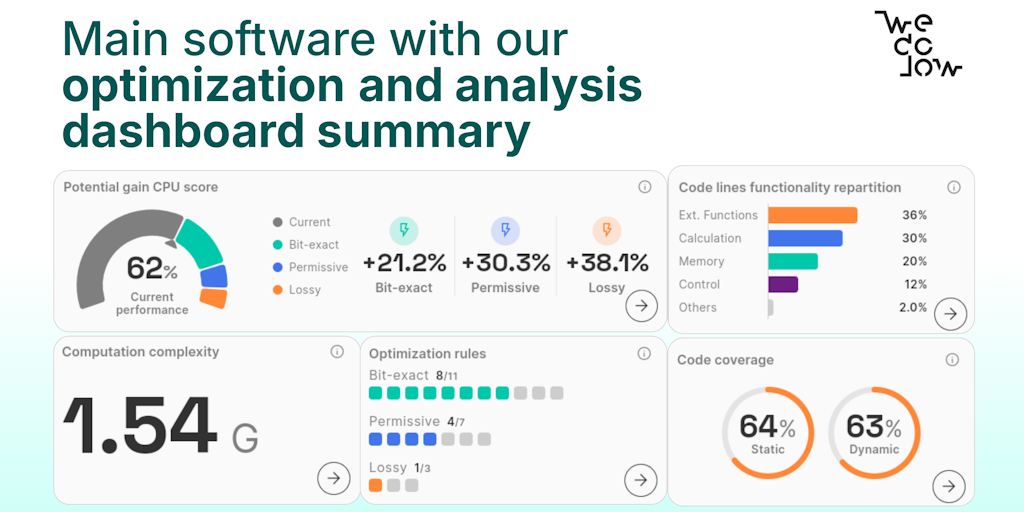
beLow: Automated Performance Analysis and Optimization Tool for C/C++ Embedded Code
beLow automatically analyzes your C and C++ embedded code to identify performance bottlenecks and generate optimized code tailored to your t
 Product Hunt·8mo ago
CppCon 2025 C++ Standard Library:Design, Optimisations, Testing while Implementing Libc++ -- Hui Xie
Registration is now open for CppCon 2026! The conference starts on September 12 and will be held in person in Aurora, CO . To whet your appe
Comments
Sign in to join the conversation.
No comments yet. Be the first.