
























Optimizing C Software Performance with Dynamic CPU Feature Detection
GitHub Gist: instantly share code, notes, and snippets.
Read the full articleYou might also wanna read

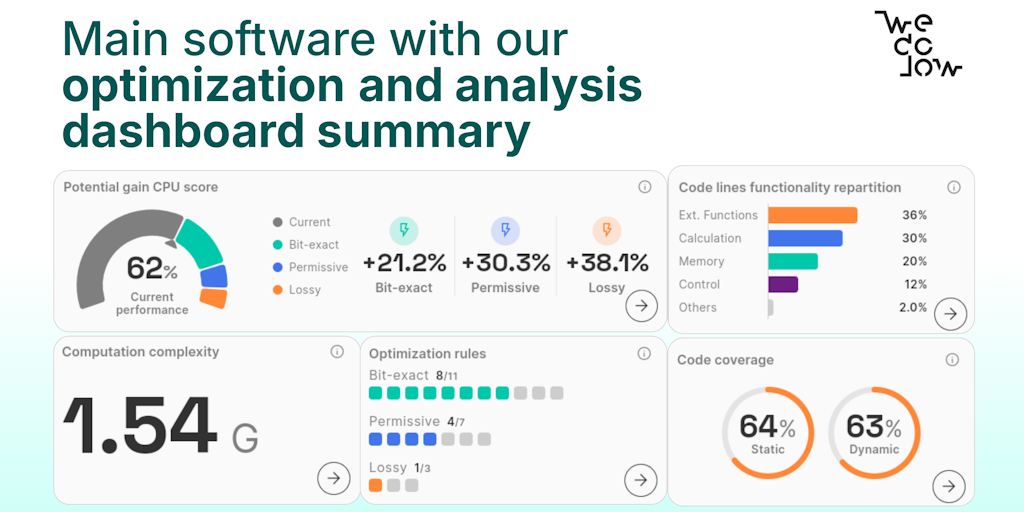
beLow: Automated Performance Analysis and Optimization Tool for C/C++ Embedded Code
beLow automatically analyzes your C and C++ embedded code to identify performance bottlenecks and generate optimized code tailored to your t
 Product Hunt·8mo ago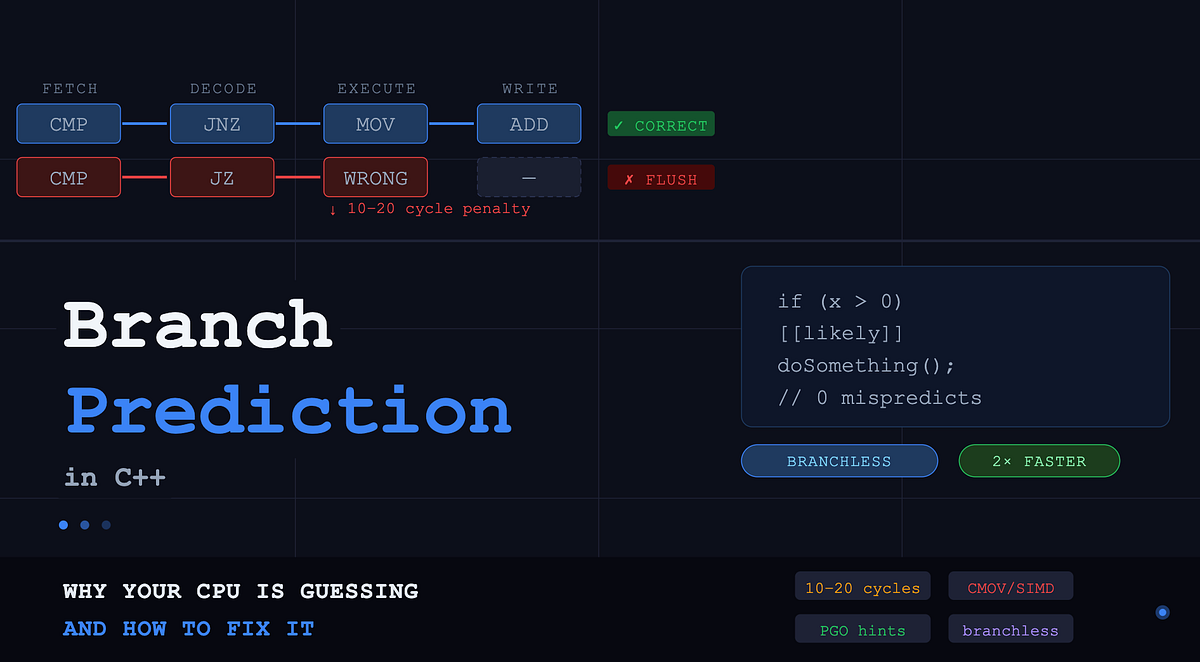
Understanding CPU Branch Prediction and Branchless Programming in C++
Stop letting CPU mispredictions slow down your code. This guide covers C++ branch prediction internals, branchless programming patterns, and
 towardsdev.com·25d ago
Svelte Compiler: How It Works
Discover how Svelte's compiler optimizes performance with build-time compilation, efficient reactivity, and smaller bundle sizes.
daily.dev·1y ago
Comments
Sign in to join the conversation.
No comments yet. Be the first.