





















Opinion: High Grocery Prices Blamed on Concentrated Meat Industry, Not Just Tariffs
By
Sandeep Vaheesan, Claire Kelloway

A respectable bake. You'd come back tomorrow for another.
Summary
This guest essay argues that high grocery prices, particularly beef prices which have risen 20% in the past year to over $14 per pound, are primarily caused by a highly concentrated meat industry that has operated with oligopolistic behavior for over a century. While President Trump considered reducing tariffs on beef imports from countries like Argentina to lower prices, the author contends such measures are insufficient to address the core problem of market concentration in the food sector.
Key quotes
· 3 pulledThe price of beef is sizzlingly high.
But such moves would not be enough to fix the core problem: a highly concentrated sector that has controlled our meat supply for much of the past century.
More than 45 per...
You might also wanna read

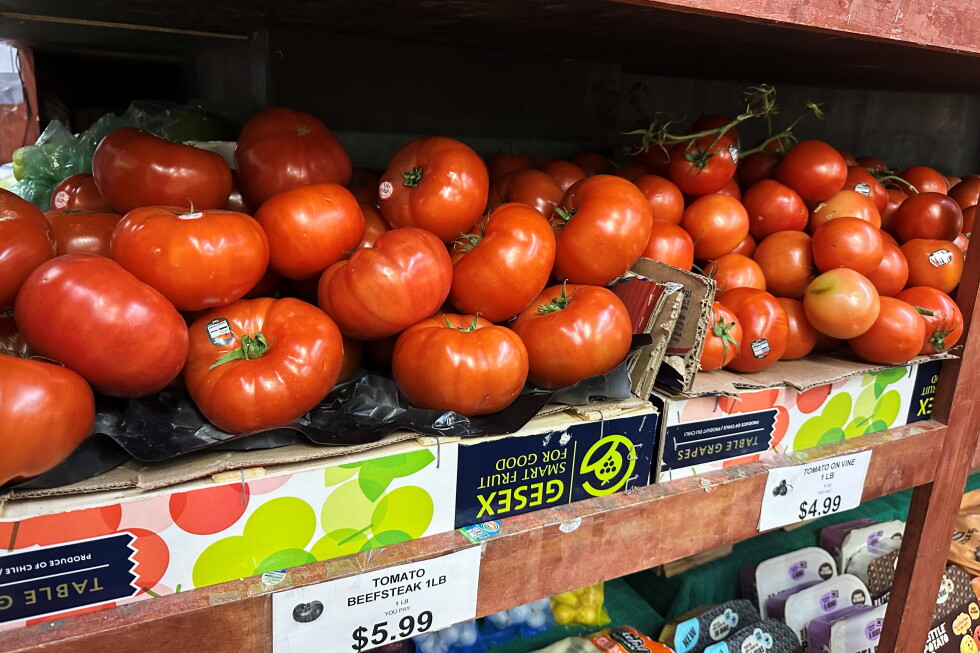
Tomato prices surge 40% amid tariffs, shipping costs, and crop issues, hitting consumers and businesses
Tomato prices have surged 40% over the past year, becoming a symbol of America's affordability crisis. The spike is driven by reduced crop y
 apnews.com·9h ago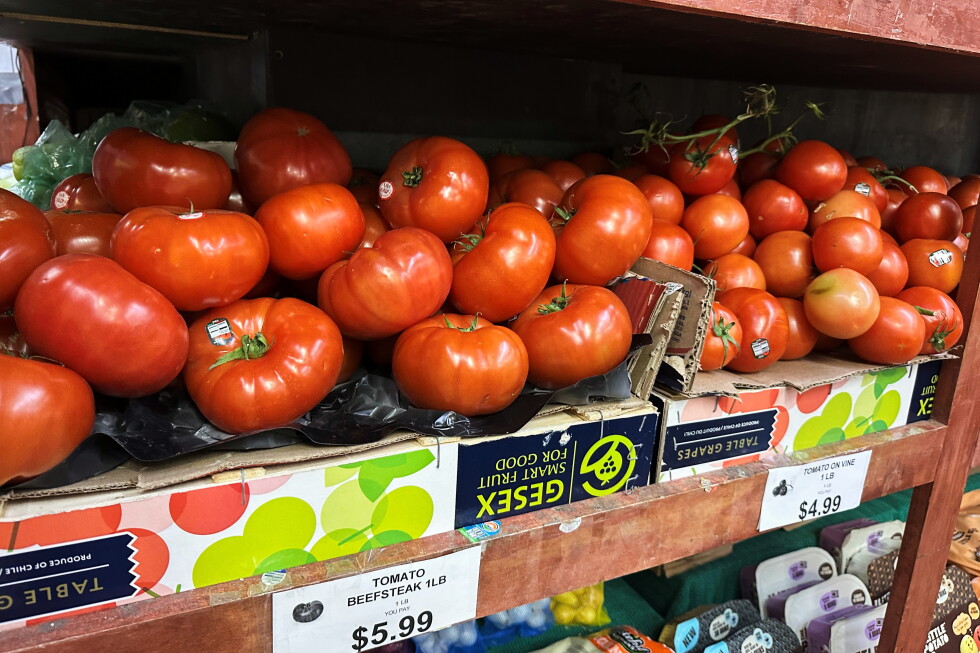
Tomato prices surge 40% as tariffs and shipping costs drive affordability crisis
Tomato prices have surged 40% over the past year, becoming a symbol of America's affordability crisis. The spike is driven by poor crop yiel
 bit.ly·1d ago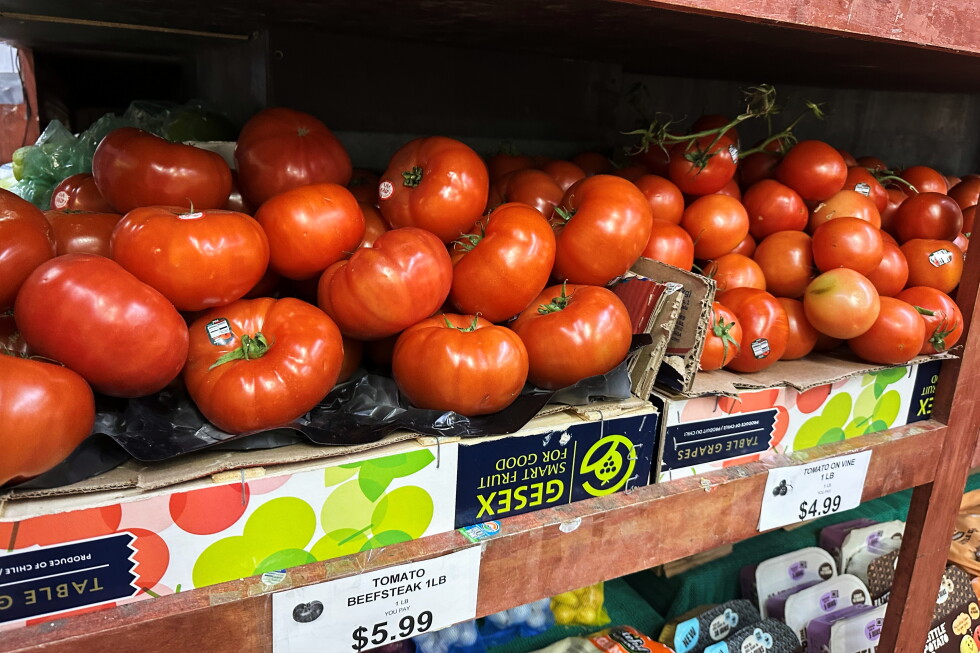
Tomato prices surge 40% as tariffs and shipping costs drive affordability crisis
Tomato prices have surged 40% over the past year, becoming a symbol of America's affordability crisis. The spike is driven by reduced crop y
apnews.com·1d ago
Why Your Groceries Are So Expensive: It's Not Just Tariffs, It's Oligopoly
This guest essay argues that high grocery prices, particularly beef, are not primarily caused by tariffs but by a highly concentrated meatpa
 nytimes.com·1d ago
帝国データバンク発表:今年の飲食料品値上げが1万品目超え、中東危機がコスト上昇に拍車
帝国データバンクの調査によると、2025年の飲食料品の値上げが1万品目を超える見通しとなった。調査を始めた2022年以降、5年連続で1万品目超えとなる。主な要因は原材料高(97.7%)、物流費(74.1%)、包装・資材(73.7%)で、中東情勢(22.7%)も影響している。6月単
 asahi.com·2d ago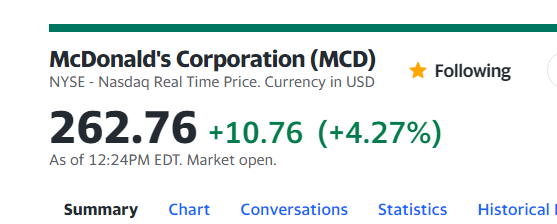
McDonald's Q2 Misses Estimates but Stock Surges; Analyst Argues Fast Food Has Become a Premium Product for Upper-Middle Class
McDonald's missed Q2 earnings estimates as consumers reduce dining out, yet the stock surged $10, indicating market confidence. The article