
























OpenAI and Molecule.one report a near-autonomous AI chemist that improved a stubborn coupling reaction
OpenAI and Molecule.one have announced a system that improved a reaction medicinal chemists rely on but have long struggled to run reliably. OpenAI billed the news as a “near-autonomous AI chemist.”…
Read the full articleYou might also wanna read

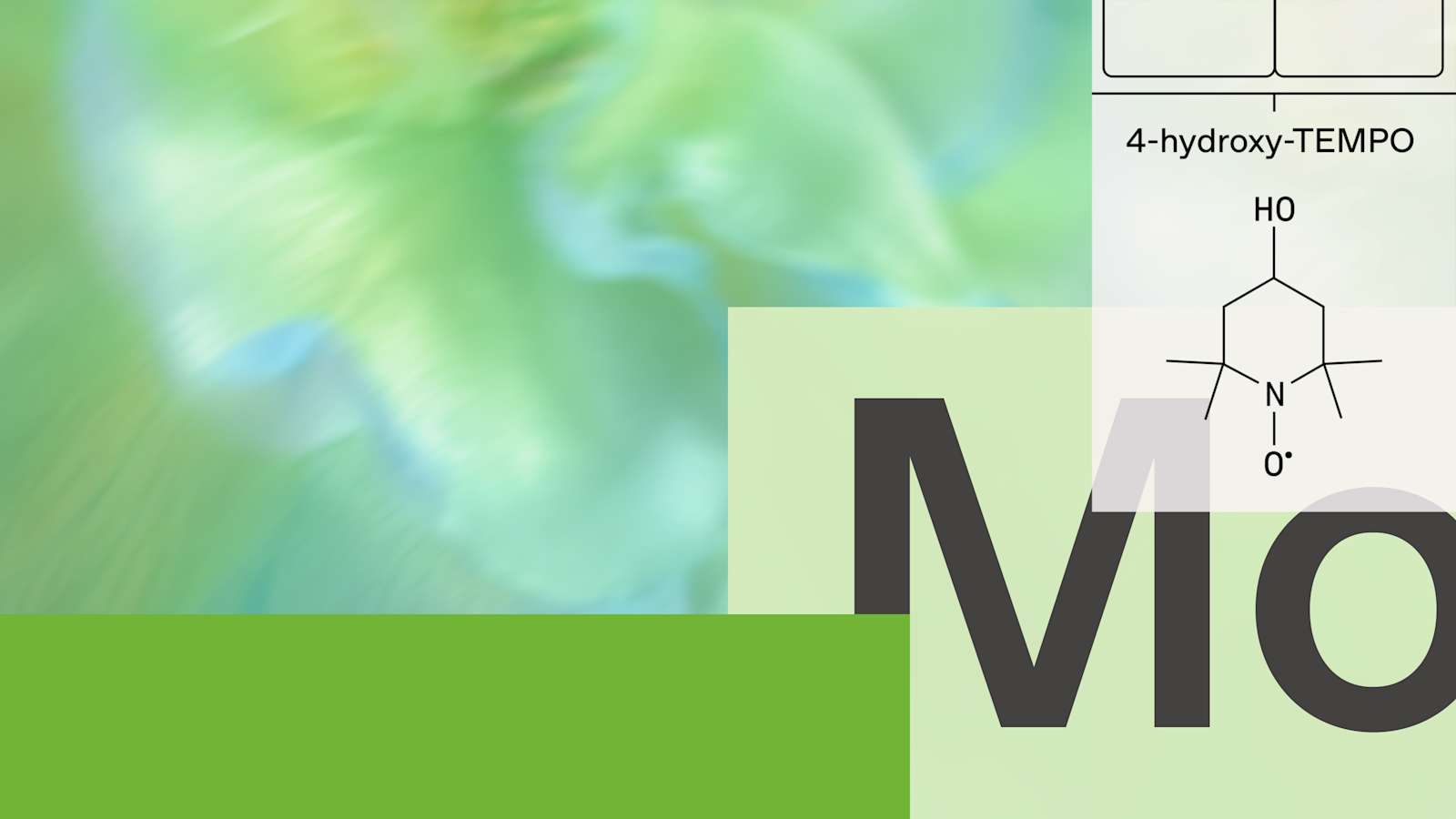
OpenAI and Molecule.one demonstrate GPT-5.4-powered AI chemist improving medicinal chemistry reactions
OpenAI and Molecule.one show how a near-autonomous AI chemist using GPT-5.4 improved a key drug-making reaction, advancing medicinal chemist
 openai.com·22d ago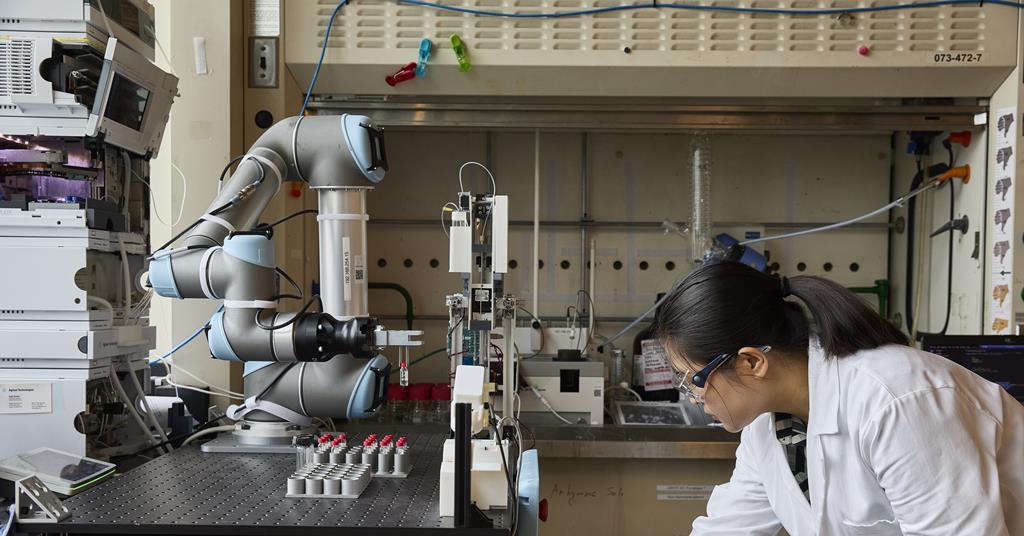
AI agents accelerate catalyst discovery from simulation to industrial scale-up
Artificial intelligence tools are transforming catalyst research, with new AI agents capable of completing in minutes what once took computa
 chemistryworld.com·24d ago
AI agents accelerate catalyst discovery from simulation to industrial scale-up
Artificial intelligence tools are transforming catalyst research, with new AI agents capable of completing in minutes what once took computa
Chemistry World·24d agoGPT-5.4 helped drive a medicinal chemistry project from literature review to a validated experimental result. Paired with Maria AI and specialized lab, the model proposed an unexpected way to improve
GPT-5.4 helped drive a medicinal chemistry project from literature review to a validated experimental result. Paired with Maria AI and speci

How AI could help chemists make the field more sustainable and green
While making chemistry more sustainable is paramount, tiny changes to lab materials and conditions can have significant effects. Can AI’s da
 timeshighereducation.com·10d ago
OpenAI launches GPT-Rosalind AI model for biology and drug discovery research
An action plan for AI-powered biological resilience
openai.com·1mo agoHow is AI transforming chemistry — and why should chemical industry professionals keep up?
How is AI transforming chemistry — and why should chemical industry professionals keep up? Participants in the 2026 Seoul Workshop on the Pe
Comments
Sign in to join the conversation.
No comments yet. Be the first.