
























 Baker's Take
Ancient interstellar comet 3I/ATLAS may be oldest object ever seen in our solar system

By
Mr Bagel
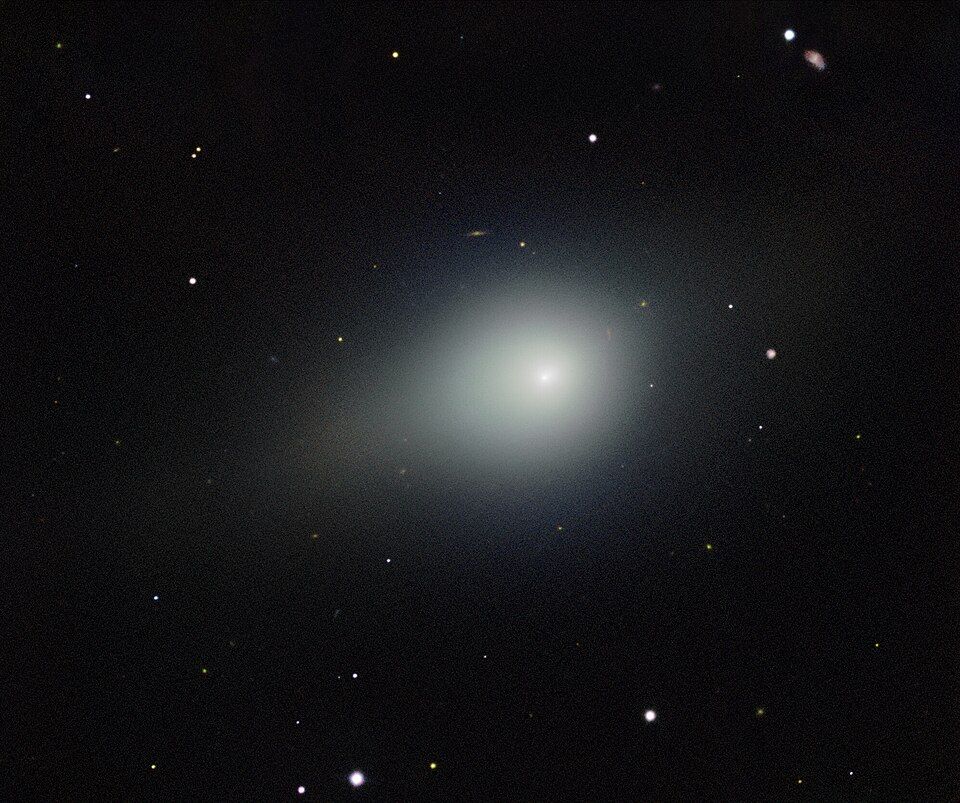
Astronomers using the European Southern Observatory's Very Large Telescope have studied the composition of interstellar comet 3I/ATLAS in unprecedented detail, revealing that the object likely originated in the outskirts of an old star system and may be up to 12 billion years old. The findings make 3I/ATLAS, the brightest interstellar object ever observed, a potential record-holder for the oldest material ever detected within our solar system.
By measuring specific chemical fingerprints in the comet's gas emissions, researchers conducted the first observations of its kind for an object that formed outside the solar system. Phys reported that the analysis points to an origin "in the outskirts of an old star system," providing new clues about the formation of such icy bodies in distant planetary systems.

Age estimates from the study place the comet at roughly three times the age of our solar system. Smithsonian magazine noted that 3I/ATLAS "may be up to 12 billion years old," adding that it could be "potentially the oldest object ever observed in our solar system." That age would push its formation back to an era shortly after the birth of the Milky Way.
The findings highlight the value of interstellar visitors as time capsules from other star systems. While 3I/ATLAS has already left the inner solar system, the spectroscopic data collected during its visit will continue to inform models of planet formation and chemical evolution across the galaxy, according to the researchers.
The reporting
2 outlets covered this story. Each links to the original.
Comments
Sign in to join the conversation.
No comments yet. Be the first.