
























Study: Obesity Accounts for 1 in 7 Polypharmacy Cases Among Older US Adults
By
Edited by Javed Choudhury
Summary
A cross-sectional analysis of a US cohort found that obesity significantly contributes to polypharmacy among older adults. BMI-defined obesity accounts for approximately 1 in 7 polypharmacy cases (about 15%, representing an estimated 3.3 million cases), while waist circumference-defined obesity accounts for about 1 in 4 cases. The study suggests that obesity medications that provide significant weight loss could potentially reduce obesity-related polypharmacy by improving related complications like diabetes and sleep apnea.
Source

 Twitter / XStudy: Obesity Accounts for 1 in 7 Polypharmacy Cases Among Older US Adultsmdsc.pe
Key quotes
· 2 pulledObesity contributes substantially to polypharmacy among older adults, accounting for about 1 in 7 cases when defined by BMI and about 1 in 4 cases when defined by waist circumference.
Obesity medications, which provide significant weight loss, can improve many obesity-related complications (eg, diabetes, sleep apnea) and may potentially reduce obesity-related polypharmacy.
You might also wanna read


Statins and blood pressure drugs changing health risks of obesity, study suggests
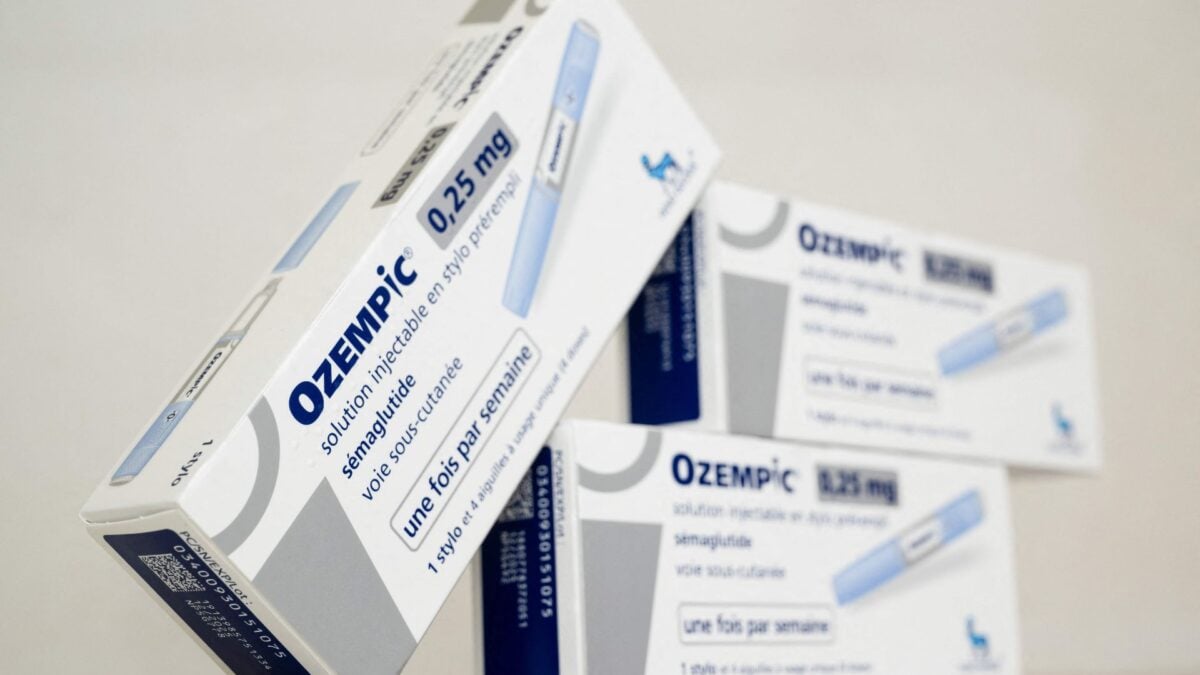
GLP-1 Prescriptions Rise as U.S. Obesity Rates Show Modest Decline, New Data Indicates
New data from EPIC Research shows that GLP-1 medications like Ozempic and Wegovy are having a population-wide impact on obesity rates. As pr
 gizmodo.com·1mo ago
Study: GLP-1 Weight Loss Drugs Linked to Decline in Daily Physical Activity
A new study analyzing NIH All of Us Research Program data, including Fitbit activity records and electronic health records, reveals that adu
 neurosciencenews.com·22d ago
GLP-1 Drugs Linked to 30% Lower Breast Cancer Risk in New Study
New research published in the Journal of Clinical Oncology suggests GLP-1 weight loss medications may reduce cancer risk. An observational s
 forbes.com·23d ago
Phenome-wide analysis of downstream health outcomes following second-line antidiabetic agent prescriptions in All of Us

GLP-1 Therapy Reduces Migraine Frequency by More Than Half in Obesity Patients
A study from the University of Naples found that liraglutide, a GLP-1 receptor agonist typically used for diabetes and obesity, significantl
 medlink.com·7mo ago
Comments
Sign in to join the conversation.
No comments yet. Be the first.