
























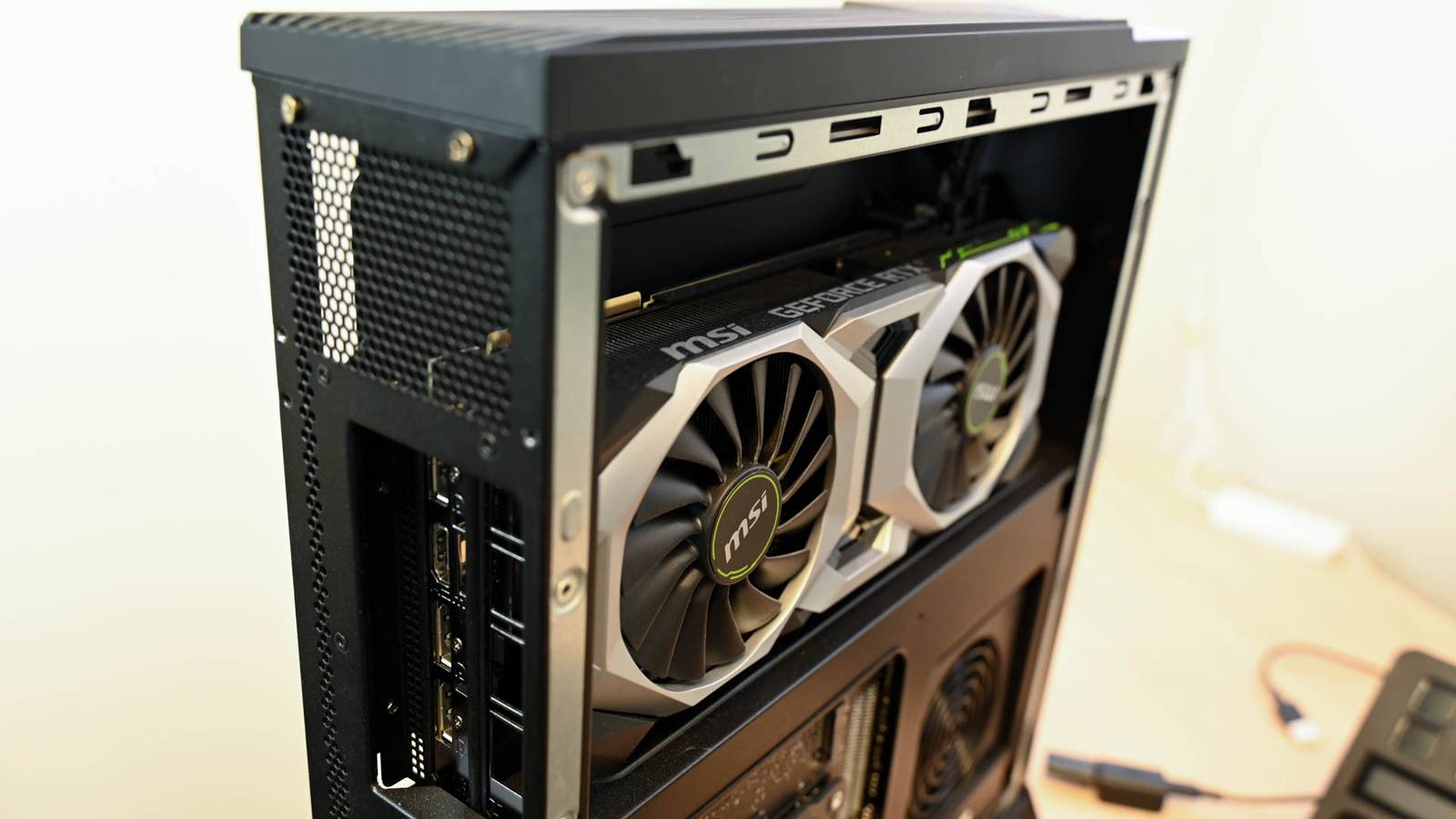
Why Nvidia's RTX 20-series GPUs remain surprisingly relevant in 2026
By
Monica J. White
Summary
The article argues that Nvidia's RTX 20-series GPUs, particularly the RTX 2080 Ti and RTX 2060 Super, have proven remarkably durable and remain relevant in 2026 due to a combination of factors: they were the first to introduce dedicated ray tracing and tensor cores (DLSS), they hit a sweet spot in VRAM capacity (8-11GB) that still meets modern game requirements, and they were built during a period of high manufacturing quality before cost-cutting measures affected later generations. The piece explores how these GPUs have become "accidentally immortal" in the GPU market, outlasting expectations and still providing solid 1080p and 1440p gaming performance years after their release.
Source
 bskyWhy Nvidia's RTX 20-series GPUs remain surprisingly relevant in 2026ift.tt
Key quotes
· 5 pulledThe RTX 20-series crossed a line that changed everything—and it's why they still matter in 2026
Nvidia accidentally built GPUs that refuse to die
The 2080 Ti was the first card to make ray tracing feel like more than a gimmick, even if it couldn't quite handle it at launch
Eight gigs was the standard then, and eight gigs is still the baseline now—that's a rare alignment in GPU history
They were built in an era before Nvidia started aggressively cutting corners on cooler quality and PCB design
You might also wanna read


Historical Analysis of 49 Significant GPUs Over 30 Years: From Quake to Cyberpunk 2077
The article appears to be a historical overview of significant graphics processing units (GPUs) spanning 30 years from the Quake era to Cybe

Nvidia Delays RTX 50 Super GPU Refresh, May Postpone RTX 60 Series to 2028
Nvidia has delayed the Super refresh of its RTX 50-series gaming GPUs, which was expected at CES 2026, due to prioritizing AI chip productio
 The Verge·5mo ago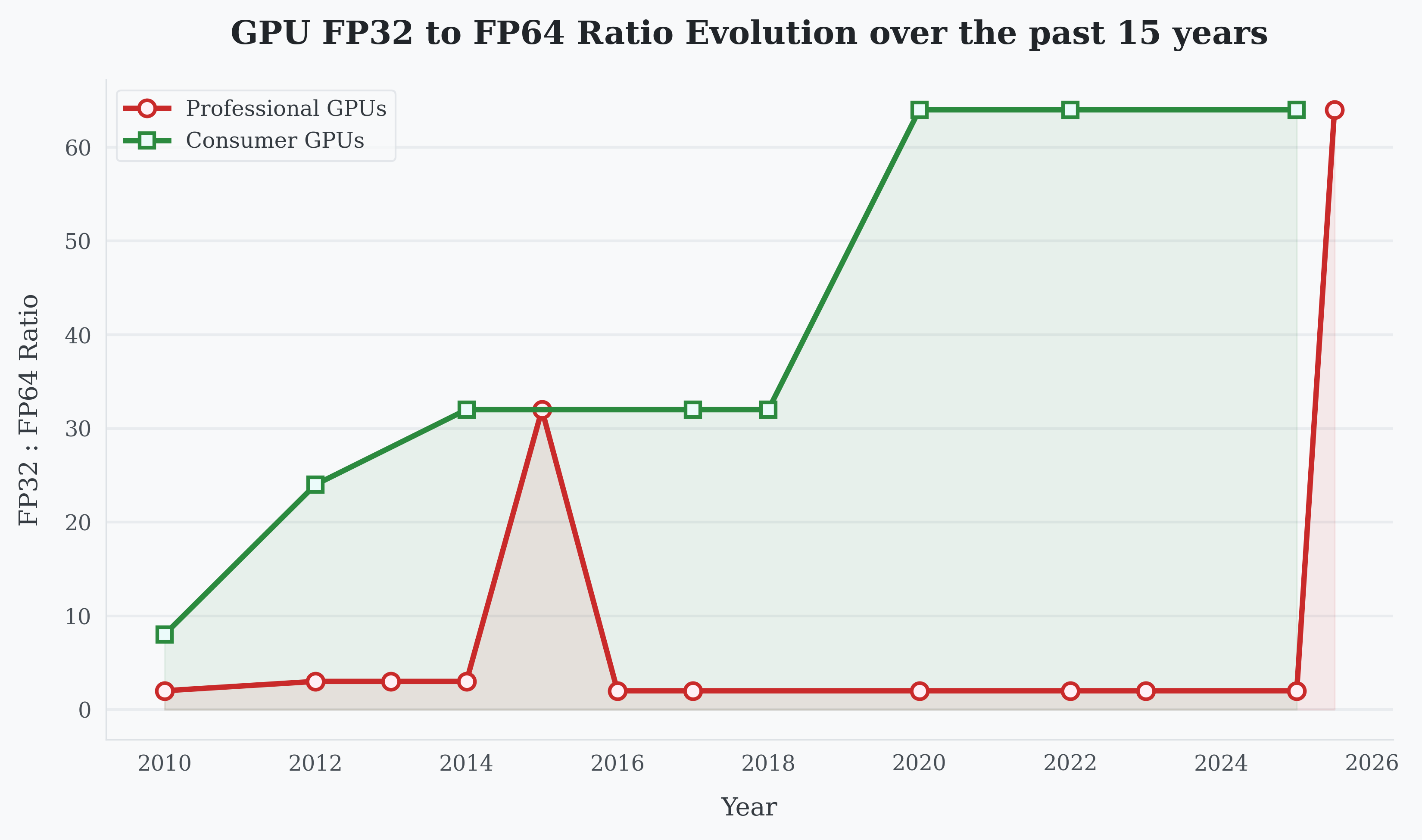
How the AI Boom is Changing Nvidia's 15-Year FP64 Segmentation Strategy on GPUs
The article examines the historical trend of FP64 (double-precision) performance segmentation between consumer and enterprise GPUs over the
Nvidia cancels quad-die Rubin Ultra GPU over manufacturing concerns, pivots to dual-GPU design
Nvidia has reportedly canceled its planned quad-die Rubin Ultra GPU (four compute chiplets) for 2027 due to manufacturing execution concerns
 tomshardware.com·6d ago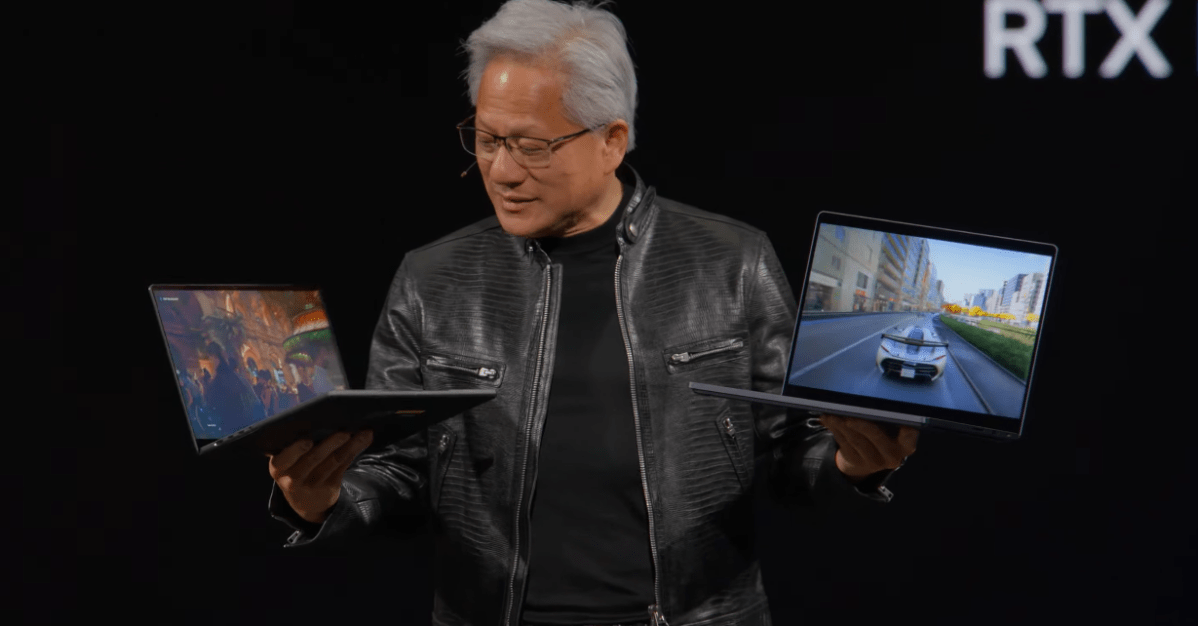
Nvidia's RTX Spark superchip could bring Apple M1-level performance to Windows laptops, but at a high cost
Nvidia is entering the consumer laptop chip market with its RTX Spark 'superchip,' promising to deliver the performance and battery life imp
The Verge·1mo agoNvidia's RTX Spark superchip could bring Apple M1-level performance to Windows laptops, but at a high cost
Nvidia is entering the consumer laptop chip market with its RTX Spark 'superchip,' promising to deliver the performance and battery life imp
theverge.com·1mo ago
Comments
Sign in to join the conversation.
No comments yet. Be the first.