
























Reflections on Bryan Cantrill's Talk: Engineering Through Unprecedented Bugs at Oxide
By
Jim Nielsen
Summary
A reflection on Bryan Cantrill's talk about the challenging engineering problems faced at Oxide, focusing on unprecedented, company-destroying bugs where existing documentation was actively incorrect. The article highlights how the team's breakthroughs came from solutions that had no prior precedent.
Source
bskyReflections on Bryan Cantrill's Talk: Engineering Through Unprecedented Bugs at Oxideblog.jim-nielsen.comKey quotes
· 4 pulledThese weren't any ordinary bugs, they were company-destroying bugs: bugs that, if they couldn't be fixed, would sink the entire company.
The difficulty in solving these bugs was that they had no precedent.
Any documentation or knowledge they could find around the symptoms of the problem was actively incorrect.
Bryan says that the team's breakthroughs on these bugs were solutions
You might also wanna read

Lead Developer of GrapheneOS Forced into War, Team Faces Challenges
The article discusses the lead developer of GrapheneOS being forcibly conscripted into a war and the challenges faced by the team. It mentio
grapheneos.social·11mo ago

Porting Doom to 3DO: Rebecca Heineman's Technical Challenges and Game Development Journey
This podcast episode features Rebecca "Becky" Heineman, a veteran video game developer, sharing her experience porting the classic game Doom

The Case for AI Agents That Can Say 'No': Why Software Development Needs Meaningful Conversations Over Isolation
The article critiques the software industry's rush to build AI agents that always say 'yes' to requests, arguing that sometimes the correct
 systemic.engineering·4mo ago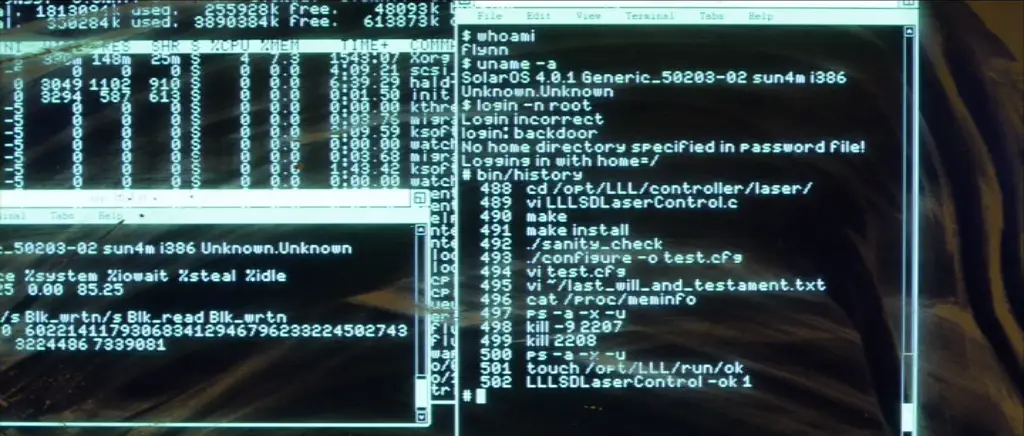
A programmer's nitpicky analysis of the shell history scene in Tron: Legacy
Simon Tatham provides an extremely detailed, nitpicky analysis of a shell history scene from the 2010 film Tron: Legacy, where he pauses the

From Drowning in Logs to Conversing with Your Data: Introducing Maxmallow

Observability's Evolution: A Historical Perspective on Developer Tooling Challenges
The author reflects on their frustration with current observability tools and workflows, examining the field through a historical lens of pa
 blog.sherwoodcallaway.com·6mo ago
Comments
Sign in to join the conversation.
No comments yet. Be the first.