
























Nitrogen addition alters growth strategies of dominant alpine grass on the Qinghai–Tibetan Plateau
Summary
This study examines how nitrogen addition from human activities affects the dominant alpine grass Leymus secalinus in an alpine meadow on the Qinghai–Tibetan Plateau. Through a long-term field experiment, researchers measured various plant traits including leaf structure to understand how the plant adapts its growth strategies, water use, and resource competition in response to different nitrogen levels. The research highlights how increasing nitrogen deposition alters the adaptive strategies of this key species.
Source
 bskyNitrogen addition alters growth strategies of dominant alpine grass on the Qinghai–Tibetan Plateaubuff.ly
Key quotes
· 3 pulledHuman activities are increasing the amount of nitrogen that falls onto alpine grasslands, altering how plants grow, use water, and compete for resources.
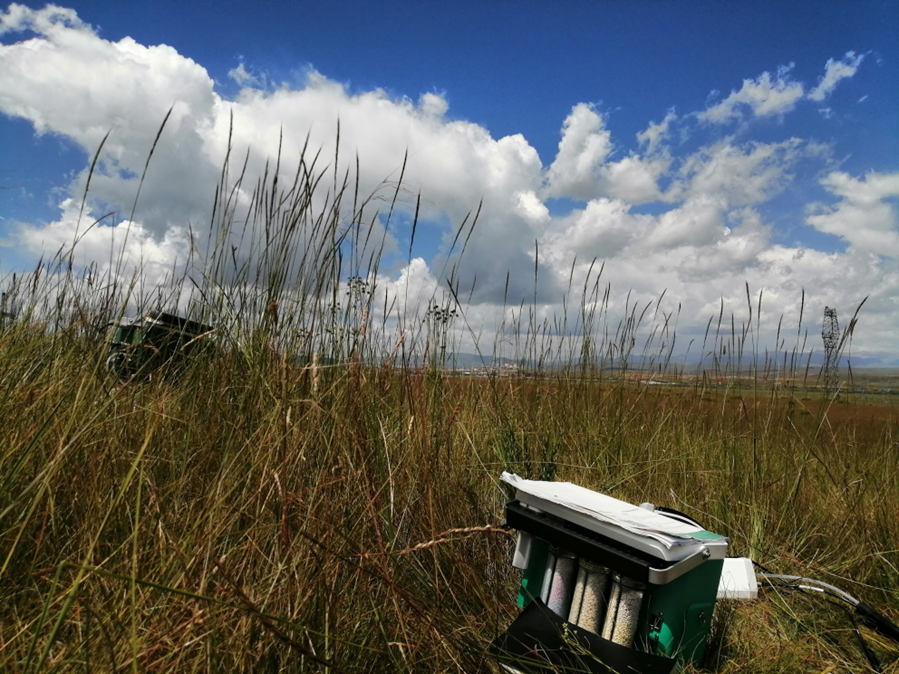
In this study, we examined how the dominant alpine grass Leymus secalinus responds to different levels of nitrogen addition in an alpine meadow on the Qinghai–Tibetan Plateau.
Using a long-term field experiment, we measured a wide range of plant traits, including leaf structure.
You might also wanna read


NEW in #NatureCommunications
Study reveals plants spy on competitors and accelerate growth in response
Plants engage in competitive behaviors for resources like water, nutrients, sunlight, and pollinators. A study published in the Journal of E
 economist.com·15d ago
Study reveals plants eavesdrop on competitors and accelerate growth in response
Plants engage in competitive behaviors for resources like water, nutrients, sunlight, and pollinators. A study published in the Journal of E
economist.com·12d agoHow plants keep tabs on the competition

Intercropping Marandu Grass with Desmodium Boosts Cattle Weight by 60%
A four-year study found that intercropping marandu grass with the forage legume Desmodium ovalifolium (desmodium) increases grazing cattle w
 embrapa.br·11mo ago
Comments
Sign in to join the conversation.
No comments yet. Be the first.