





















Solar desalination system eliminates toxic brine while producing fresh water

Not artisan, but a perfectly fine bagel. Hits the spot.
Summary
Scientists have developed a solar-powered desalination system that converts seawater into fresh water without producing toxic brine, a major environmental drawback of traditional desalination. The system uses laser-textured metal panels that harness sunlight to evaporate water while automatically moving salt deposits away from the working surface to prevent clogging. Tested successfully with water from three oceans, the process can recover nearly all salts as solids, including potentially valuable lithium for batteries. This addresses the global need for affordable, sustainable drinking water for the 2.2 billion people lacking safe access.
Key quotes
· 3 pulled2.2 billion people still do not have access to safely managed drinking water.
Traditional desalination methods such as reverse osmosis and thermal distillation can be expensive and energy intensive.
When discharged back into the ocean, brine can damage marine ecosystems.
You might also wanna read

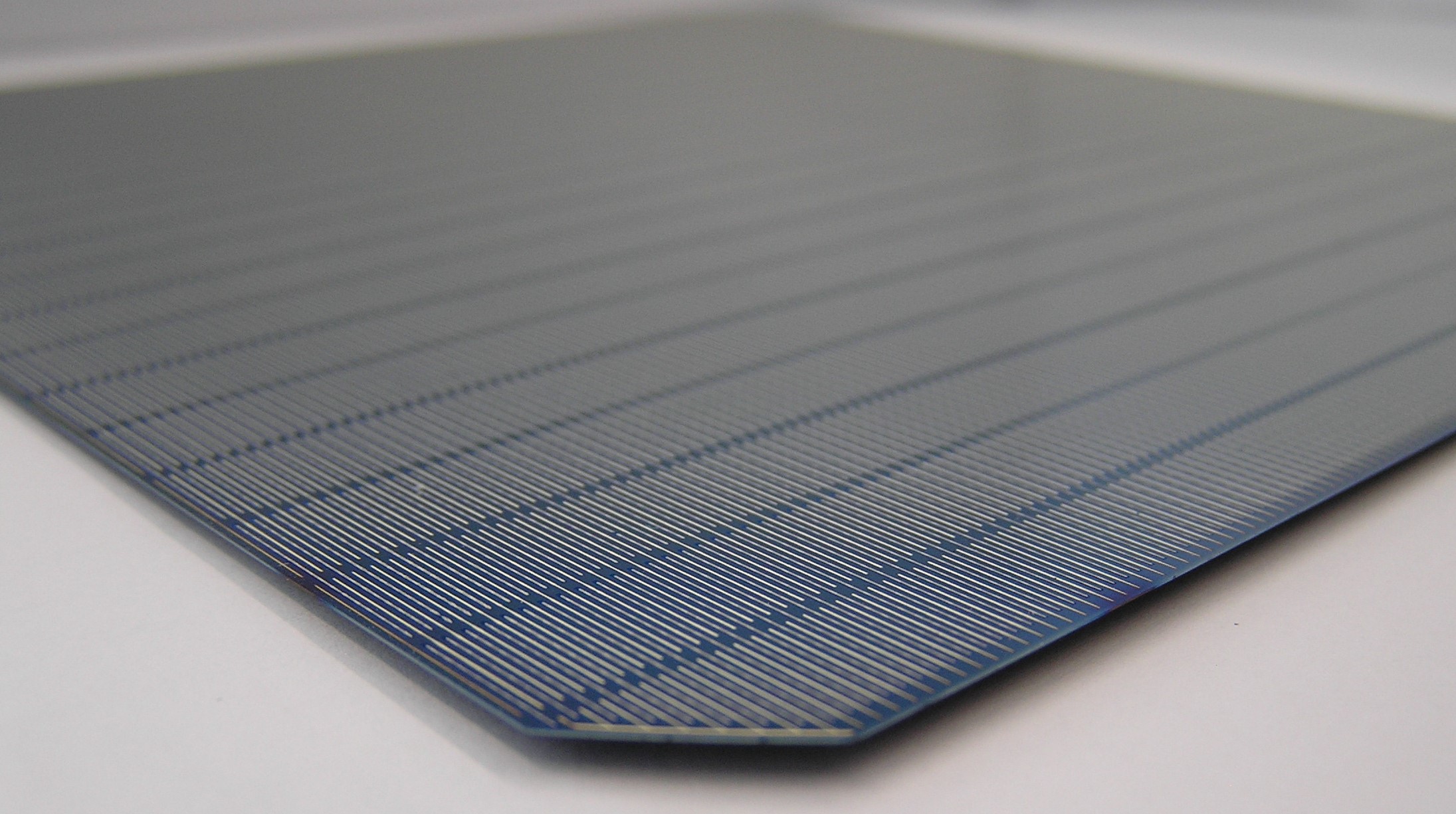
German study finds POLO back-junction solar cells more cost-effective than PERC technology in Europe
A German research team from the German Aerospace Center (DLR) conducted a techno-economic analysis of POLO back-junction (BJ) solar cells in
 pv-magazine.com·17m ago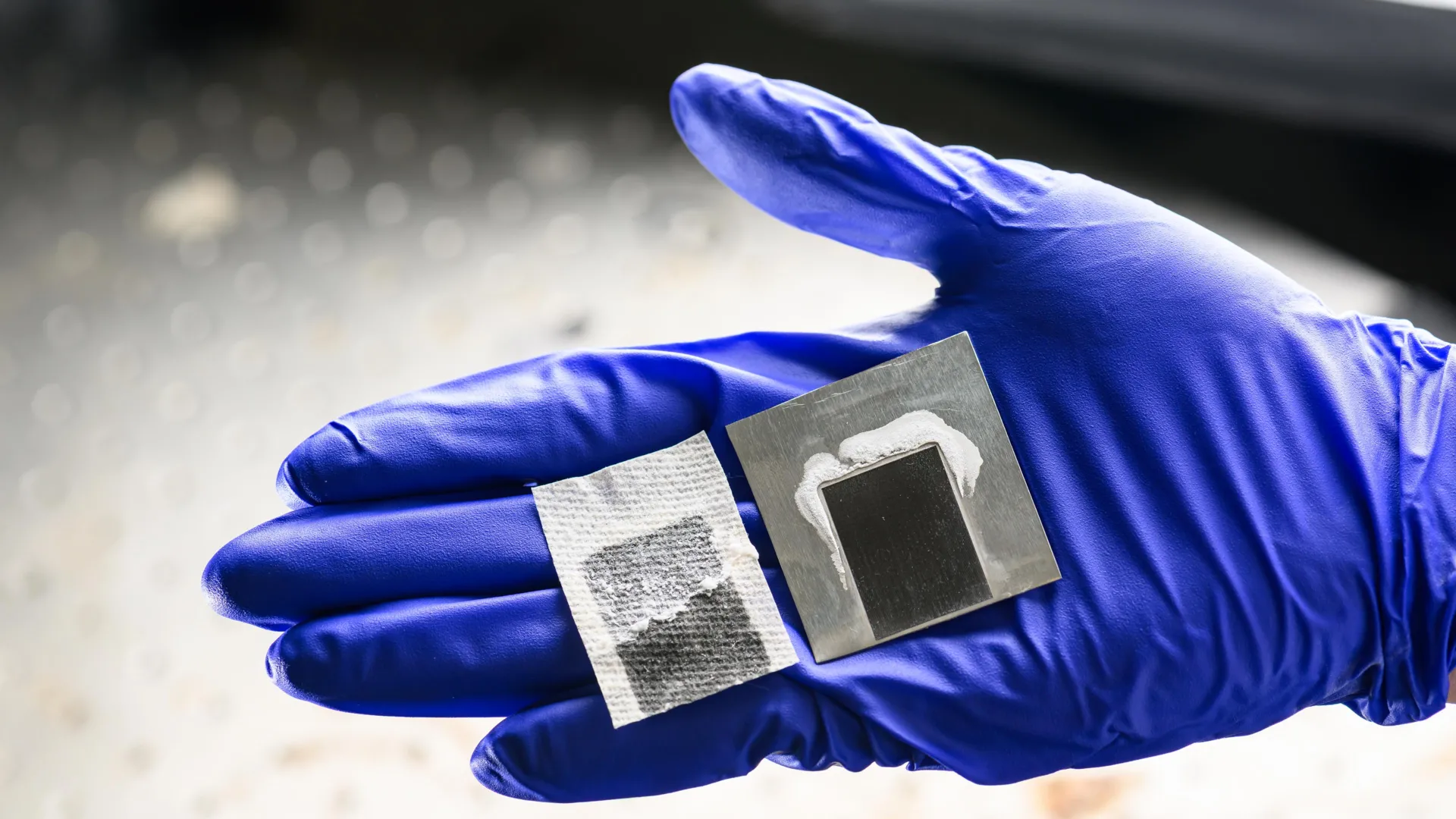
Solar desalination system eliminates toxic brine while producing fresh water
Scientists have developed a solar-powered desalination system that converts seawater into fresh water without producing toxic brine, a major
Solar desalination system eliminates toxic brine while producing fresh water
Scientists have developed a solar-powered desalination system that converts seawater into fresh water without producing toxic brine, a major

Gallium phosphide-titanium solar cell shows potential for 60% energy conversion efficiency
Researchers have developed a solar cell using gallium phosphide (GaP) and titanium (Ti) that could theoretically achieve 60% energy conversi
 interestingengineering.com·1d ago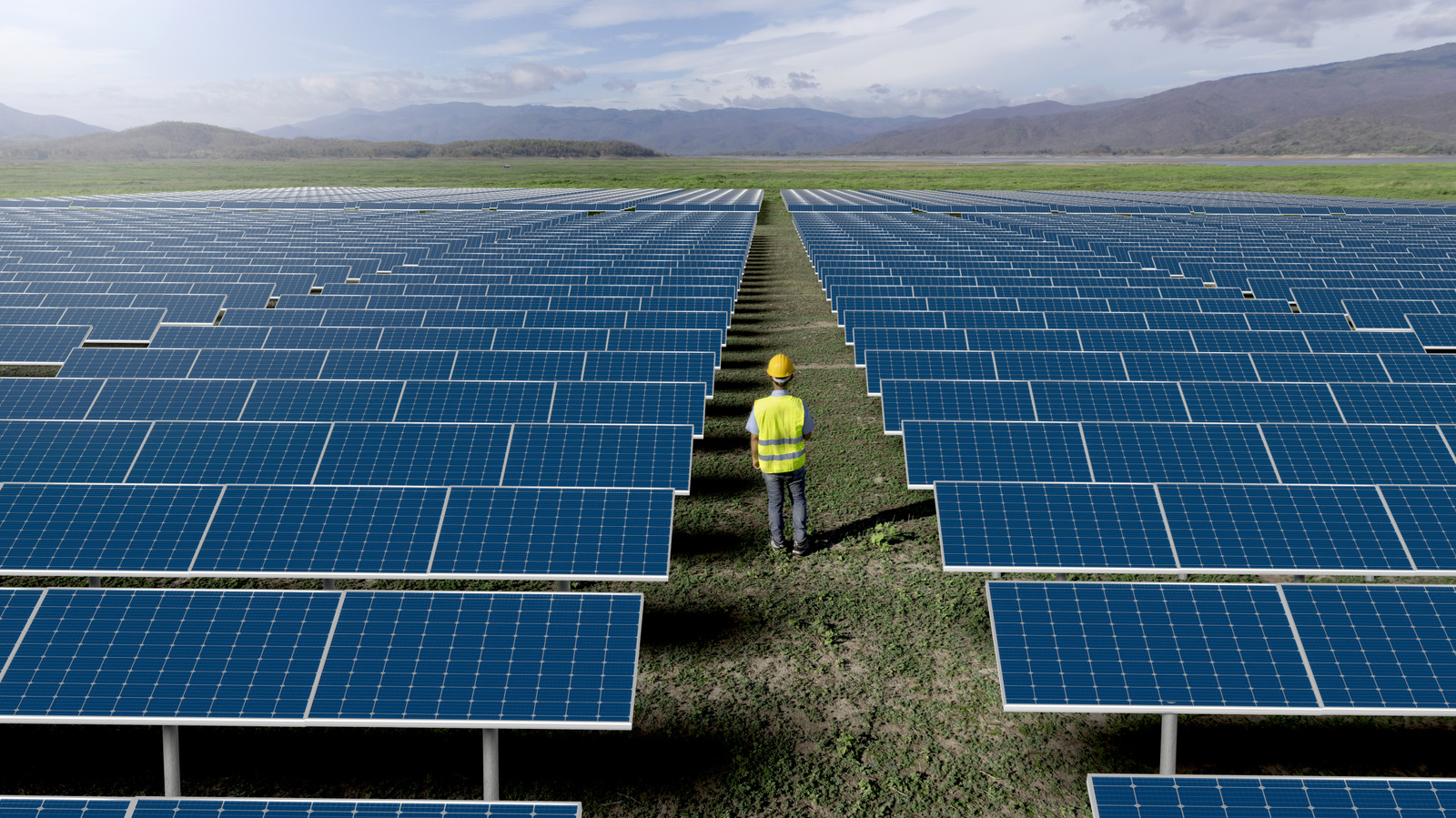
Solar Farms on Degraded Land Boost Local Wildlife and Ecosystem Health
Solar farms built on degraded or previously unusable land are providing unexpected benefits for local wildlife and ecosystems. When properly
 bgr.com·3d ago
UC Santa Barbara researchers develop liquid battery material that stores solar energy as heat for years
Researchers at UC Santa Barbara, led by Associate Professor Grace Han, have developed a novel material that absorbs sunlight, stores the ene