
























New Quantum Encryption Method Based on Quantum Physics
In theory, quantum physics can bypass the hard mathematical problems at the root of modern encryption. A new proof shows how.
Read the full articleYou might also wanna read


Quantum computing drives new urgency in post-quantum cryptography and cybersecurity strategies
Quantum capabilities are driving new strategies to post-quantum security, cyber resilience, and data protection.
 governmenttechnologyinsider.com·10d ago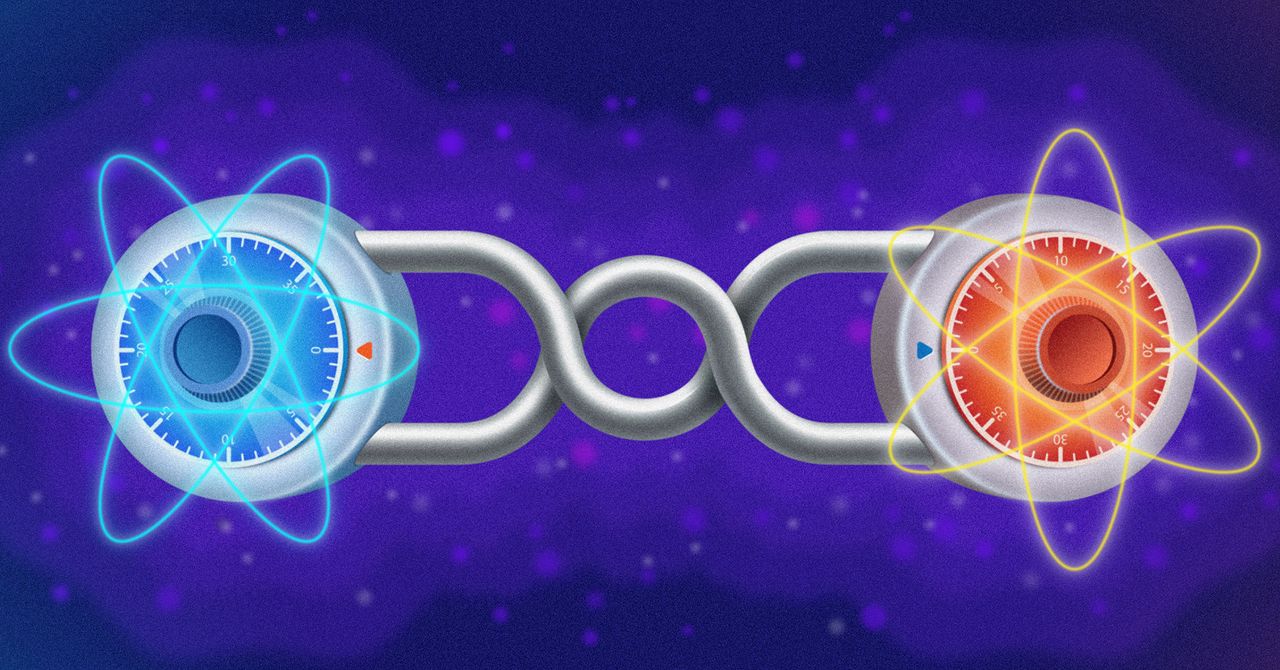
Quantum Jamming and Causality: The Search for Post-Quantum Cryptography
To keep communications secure in a post-quantum world, cryptographers are digging down into the concept of cause and effect.
 wired.com·1mo ago
Post-Quantum Encryption Could Be the Must-Have VPN Feature of the Future
Quantum computers can't crack regular VPN encryption just yet, but what happens when that changes?
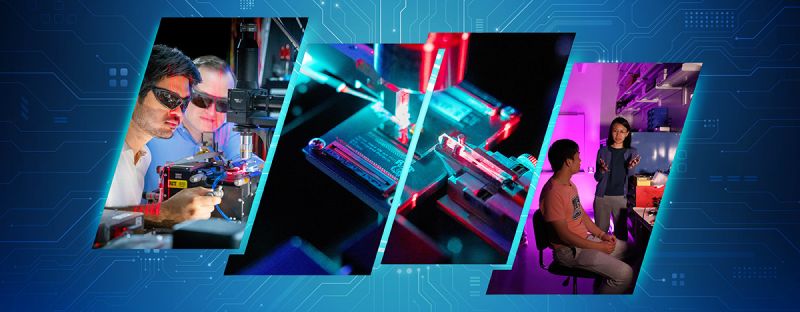
Quantum networks explained: How qubits and entanglement could transform communication
Quantum networks are helping researchers enter a new era of interconnectedness. NSF is enabling communication among a new generation of quan
 brnw.ch·7d ago
Quantum Computing Research Advances Threaten to Break Current Encryption Standards Sooner Than Expected
For decades, the bedrock of modern digital life—from securing online banking to validating blockchain transactions—has rested upon the stren
 akmaier.substack.com·1mo ago
Post-Quantum Cryptography: Prepare Before Your Encryption Breaks
Quantum computers will crack today's encryption — and attackers are already stealing encrypted data to decrypt later. Here's what post-quant
Comments
Sign in to join the conversation.
No comments yet. Be the first.