
























New observations suggest nearby super-Earth could be more habitable than first thought
25 light years from Earth sits the red dwarf star GJ 3378. Orbiting the star is exoplanet GJ 3378 b, about twice as large as Earth. And now, according to a recent study, the planet could be…
Read the full articleYou might also wanna read

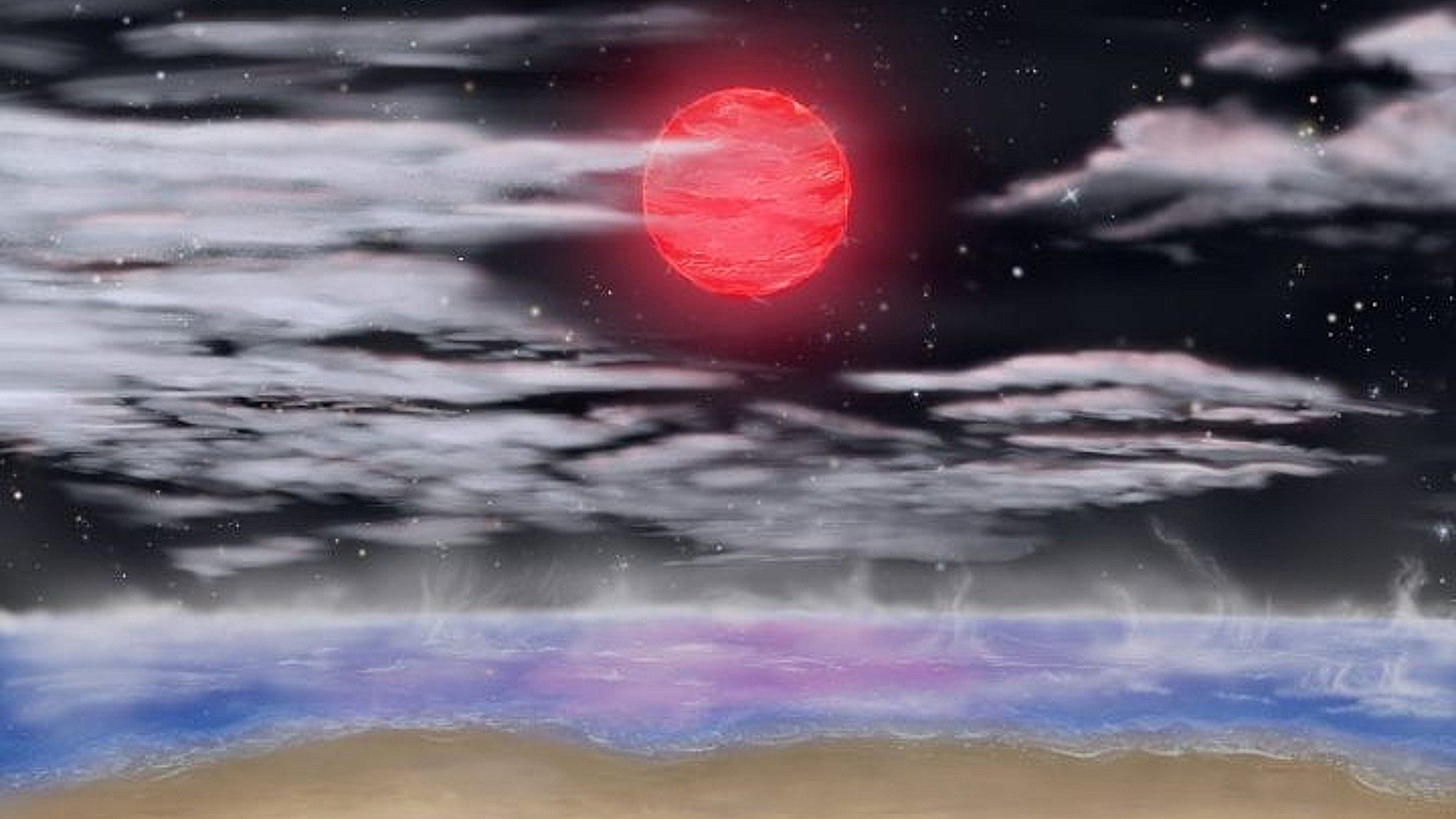
Potentially habitable rocky exoplanet GJ 3378b discovered 25 light-years away in red dwarf's habitable zone
The planet, designated GJ 3378b, orbits the faint red dwarf star in the constellation of Camelopardalis, the Giraffe.
 space.com·14d ago
Potentially habitable rocky exoplanet GJ 3378b discovered 25 light-years away in red dwarf's habitable zone
The planet, designated GJ 3378b, orbits the faint red dwarf star in the constellation of Camelopardalis, the Giraffe.
Space·14d ago
In November 2025, UC Irvine astronomers announced a rocky super-Earth called GJ 251 c orbiting in a habitable zone less than 20 light-years away — close enough that the next generation of ground-based telescopes may actually photograph it directly
GJ 251 c is the kind of planet astronomers have been trying to find for decades: nearby, relatively small, in a temperate orbit, and separat

A red dwarf star called TRAPPIST-1, just 40 light-years from Earth, hosts seven Earth-sized planets — including three orbiting in the narrow zone where liquid water could potentially survive
TRAPPIST-1 is not impressive by the usual standards of stargazing. It is too faint to see with the naked eye, far cooler and smaller than th
This Intriguing Exoplanet is Just 25 Light-Years from Earth—Is Its Too Dangerous to Be Home to Life?
Researchers have discovered a potentially habitable exoplanet just 25 light-years from Earth—but is its precarious location on the cosmic sh
Anvil of Worlds
Astrobiology Center, NINS Illustration of four baby planets in the V1298 Tau system in the process of becoming super-Earths and sub-Neptunes

Proxima Centauri b is our closest known habitable-zone exoplanet, just over four light-years away, and it may be warm enough for liquid water if it has kept an atmosphere. But that “if” is enormous: its red-dwarf star blasts it with extreme radiation stro
Proxima Centauri b has a claim no other known exoplanet can match. It orbits the nearest star to the Sun, just over four light-years away, a
Comments
Sign in to join the conversation.
No comments yet. Be the first.