
























New atomic trap boosts quantum performance by using surface forces
Researchers at Humboldt-Universität zu Berlin have developed a new method for trapping and controlling atoms near an ultrathin glass fiber. This has significantly improved the atoms' ability to store…
Read the full articleYou might also wanna read


11,000 Atoms Trapped in Metasurface-Generated Tweezer Array Advances Quantum Computing Scalability
The scalability of physical qubit numbers is a central challenge toward a universal fault-tolerant quantum computer. The inherent scalabilit
 arxiv.org·1mo ago
MIT researchers develop 3D atomic manipulation technique to reprogram materials
It’s been 37 years since scientists first demonstrated the ability to move single atoms, suggesting the possibility of designing materials a
 dmse.mit.edu·6d ago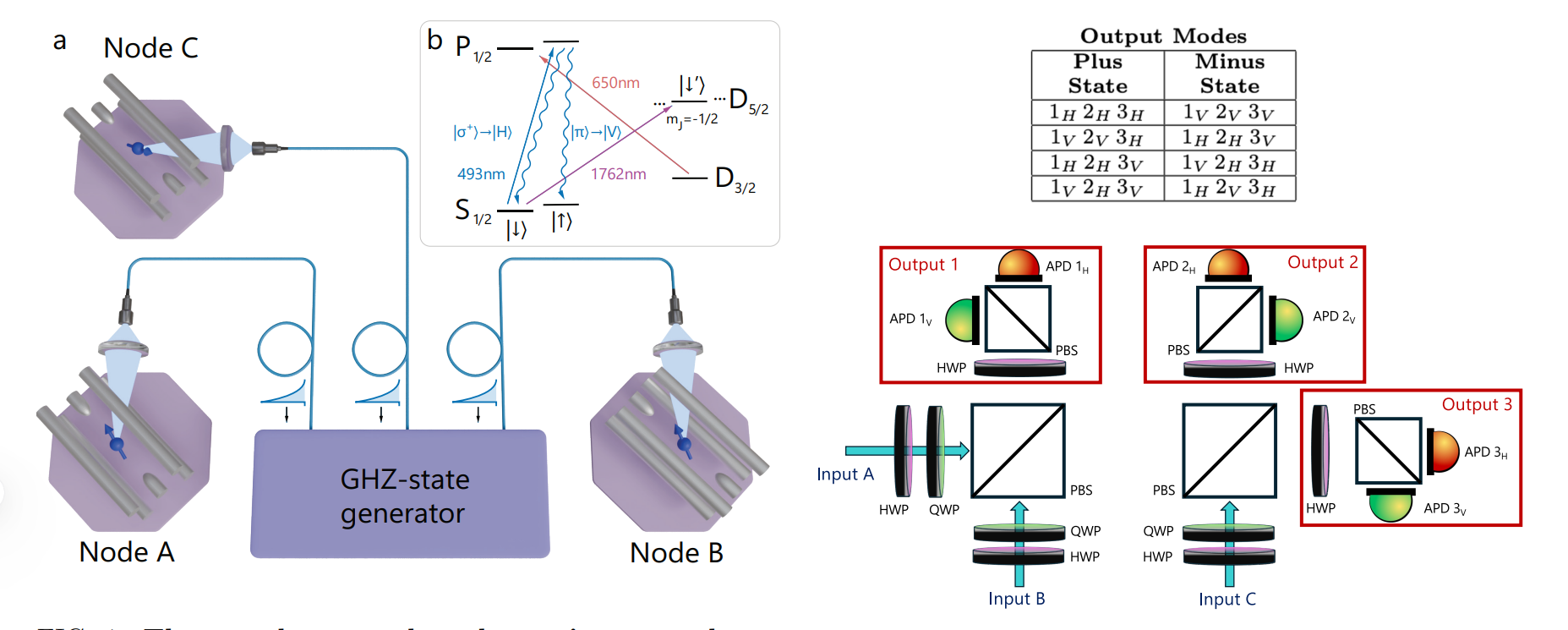
Duke and IonQ Achieve Three-Node Quantum Entanglement with Trapped Atomic Ions
Researchers from the Duke Quantum Center and IonQ have demonstrated the distributed generation of a Greenberger–Horne–Zeilinger (GHZ) state
 quantumcomputingreport.com·25d ago
Part I: Rydberg Blockade, Optical Tweezers, and the Long Road to Fault Tolerance: What Neutral Atom Quantum Computing Actually Means for Drug Discovery, Health Data Encryption, and Medical Sensing
Neutral atom quantum computers are raising billions.

Part II: Rydberg Blockade, Optical Tweezers, and the Long Road to Fault Tolerance: What Neutral Atom Quantum Computing Actually Means for Drug Discovery, Health Data Encryption, and Medical Sensing
Neutral atom quantum computers are raising billions.
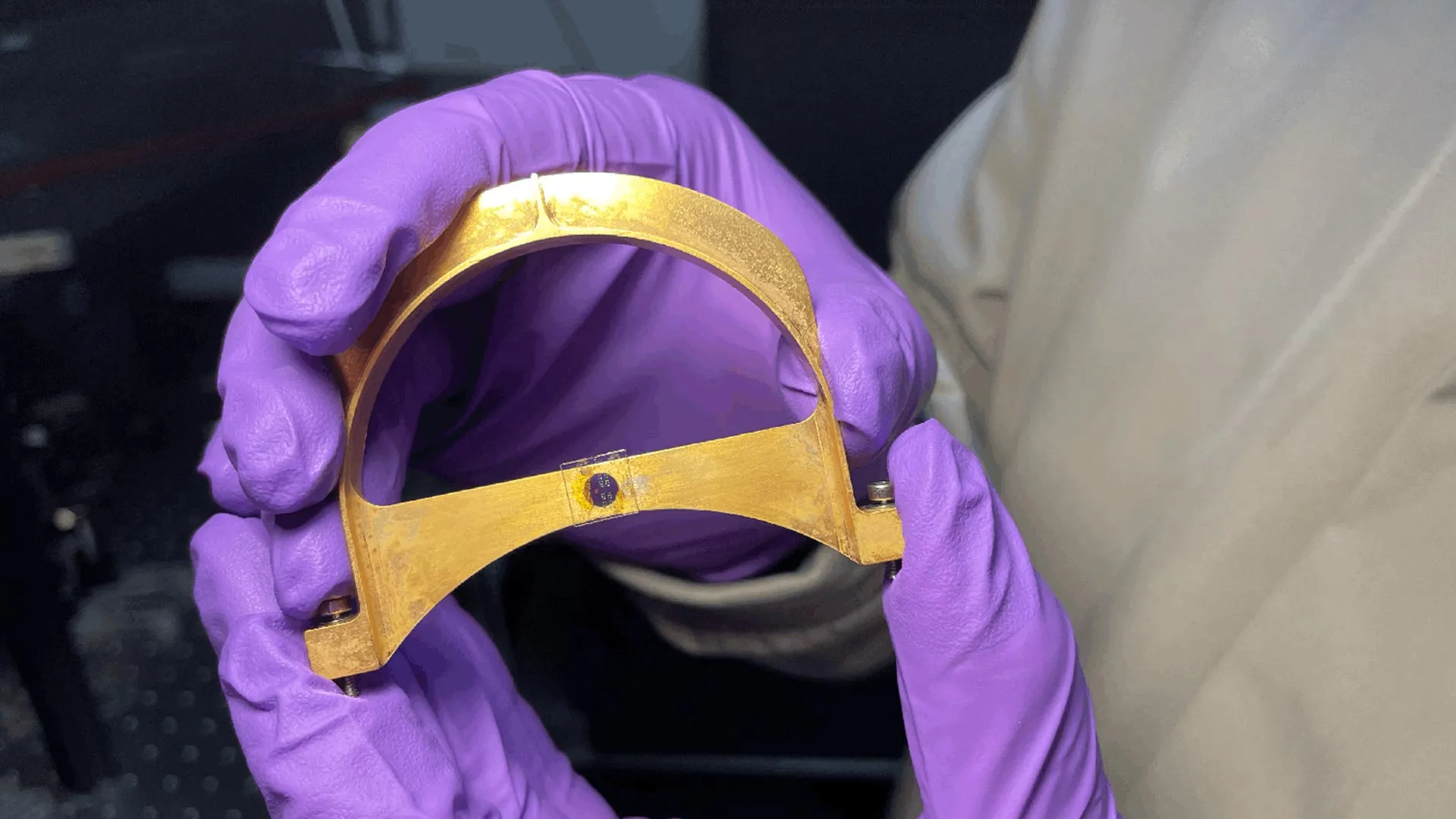
Stanford researchers develop room-temperature quantum device using twisted light
A new room-temperature quantum device uses twisted light to entangle photons and electrons, overcoming one of the biggest hurdles in quantum
Comments
Sign in to join the conversation.
No comments yet. Be the first.