
























NASA's New Horizons Spacecraft Wakes from Record 321-Day Hibernation in Kuiper Belt
By
Patricia Talbert
Summary
NASA's New Horizons spacecraft has successfully awakened from its longest-ever hibernation period of 321 days. The spacecraft, now approximately 5.9 billion miles from Earth in the Kuiper Belt, is in good health and ready to transmit science data gathered during its hibernation. Flight controllers at Johns Hopkins APL confirmed the wake-up on June 23, with the spacecraft acting on stored commands uplinked last July.
Source
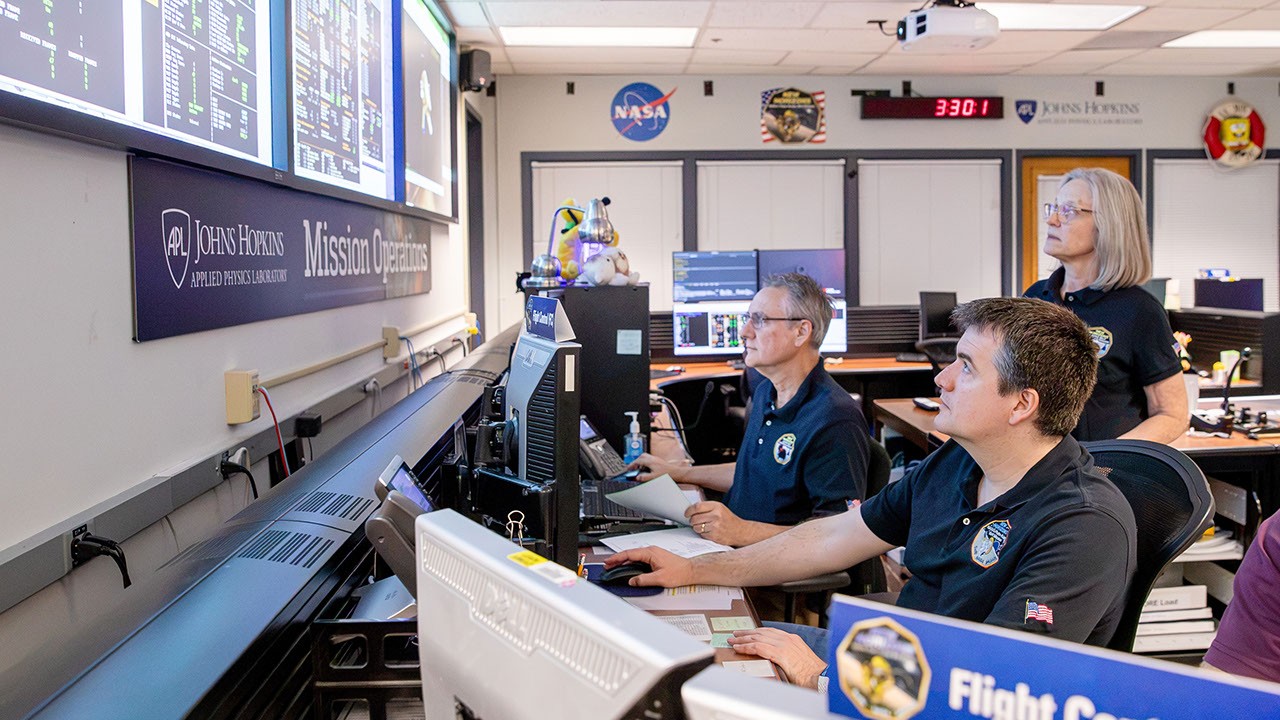
 NASANASA's New Horizons Spacecraft Wakes from Record 321-Day Hibernation in Kuiper Beltnasa.gov
Key quotes
· 3 pulledFollowing its longest hibernation period ever of nearly a year, NASA's New Horizons spacecraft has emerged in good health and is ready to begin transmitting science data gathered in the distant Kuiper Belt far beyond Pluto.
On June 23, flight controllers at the Johns Hopkins Applied Physics Laboratory (APL) in Laurel, Maryland, confirmed New Horizons, acting on stored commands uplinked to its main computer last July, had safely awakened from a 321‑day hibernation period that began Aug. 7.
With the spacecraft now approximately 5.9 billion miles (9.5 billion kilometers) from Earth
You might also wanna read

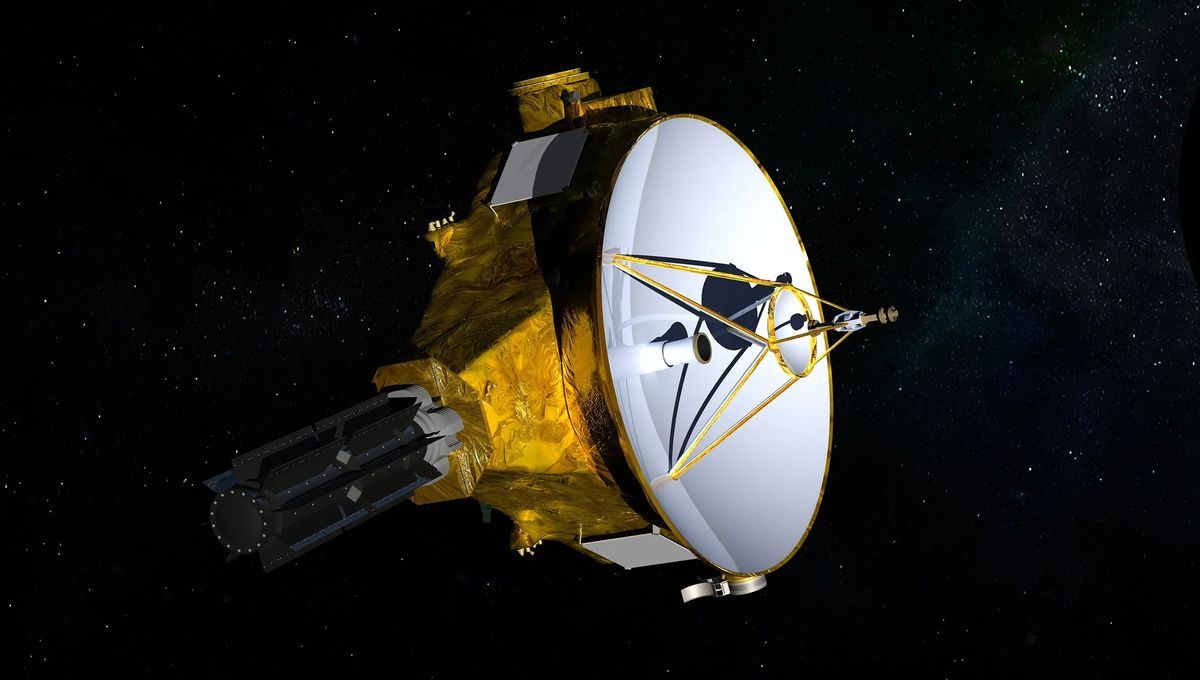
NASA’s New Horizons Could Hit The Edge Of The Solar System As Early As 2029 Or As Late As 2040
 iflscience.com·1d ago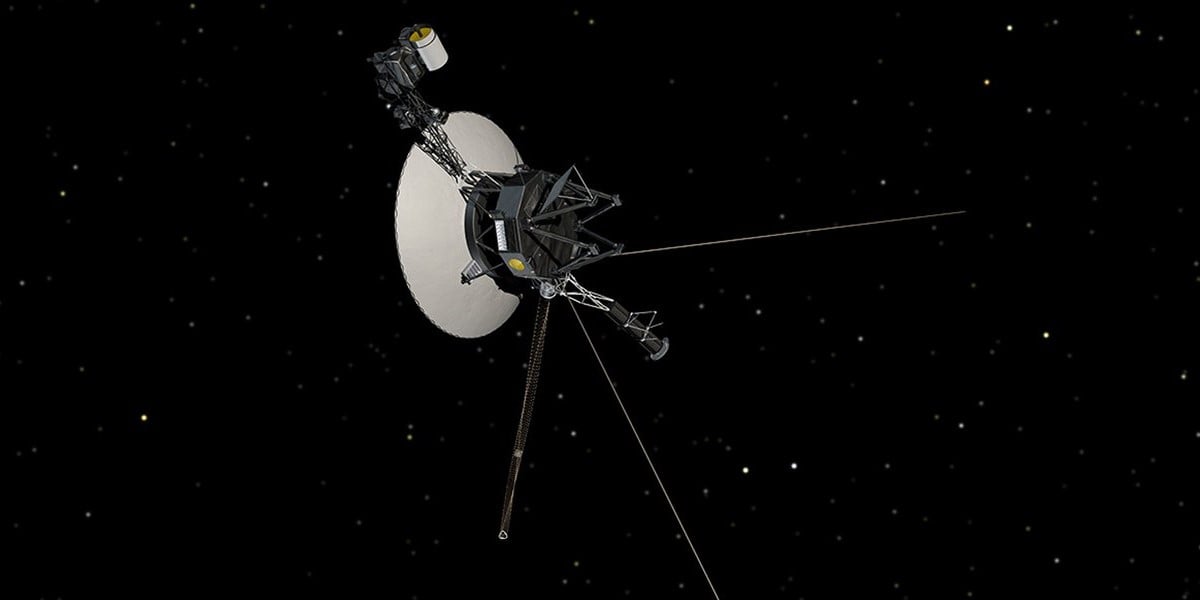
Voyager 1 marks 48 years in space as power-saving measures begin
Voyager 1, launched 48 years ago from Cape Canaveral, continues its mission studying Jupiter, Saturn, and Titan's atmosphere. Despite its ag
 theregister.com·10mo ago
New Horizons watches the solar wind as it slows down
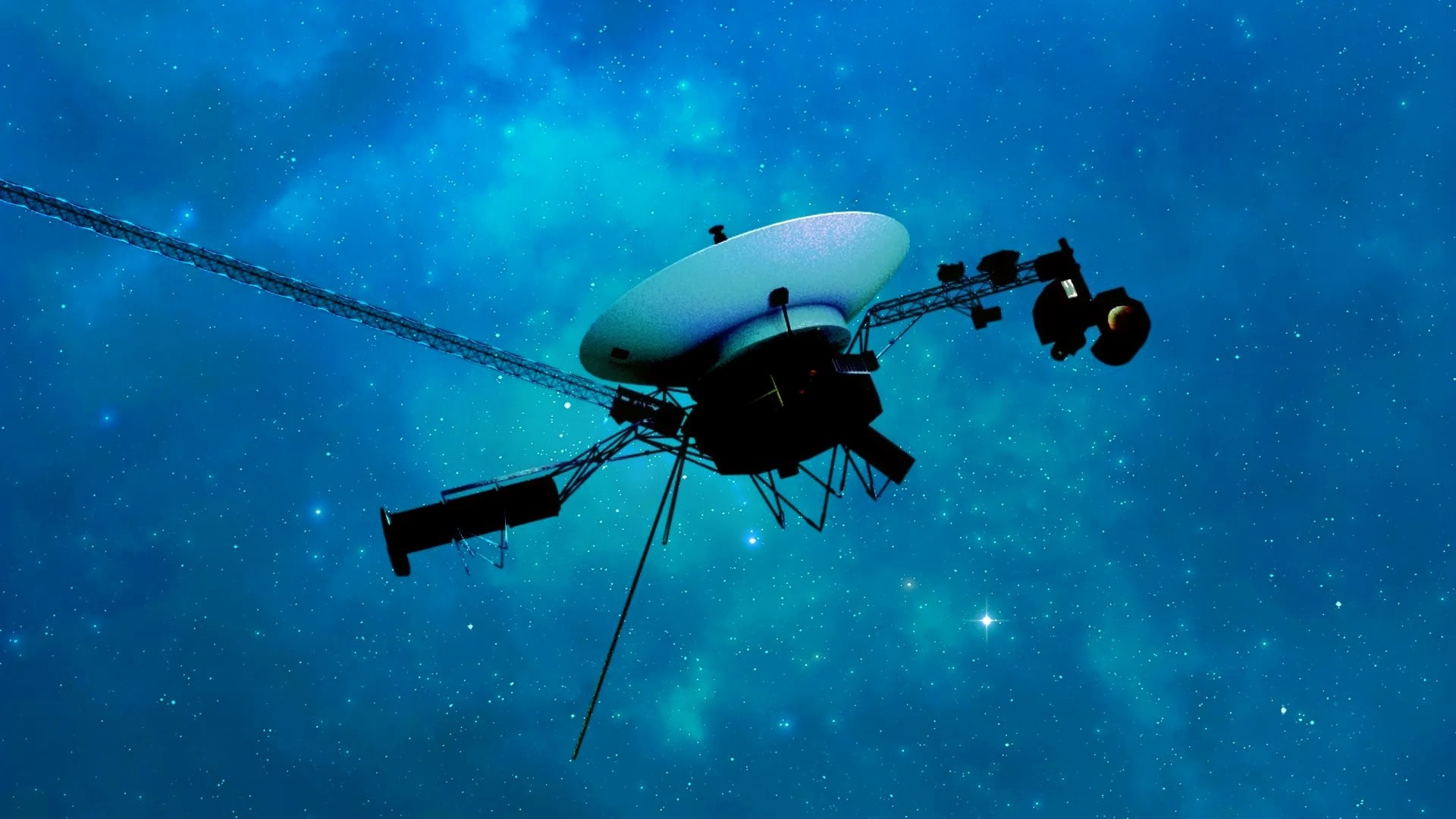
Voyager 1's power supply is dwindling after nearly 50 years, forcing NASA to shut down its instruments one by one
After nearly 50 years in space, Voyager 1 is nearing the end of its mission not due to mechanical failure, but because its plutonium power s
 19fortyfive.com·3d ago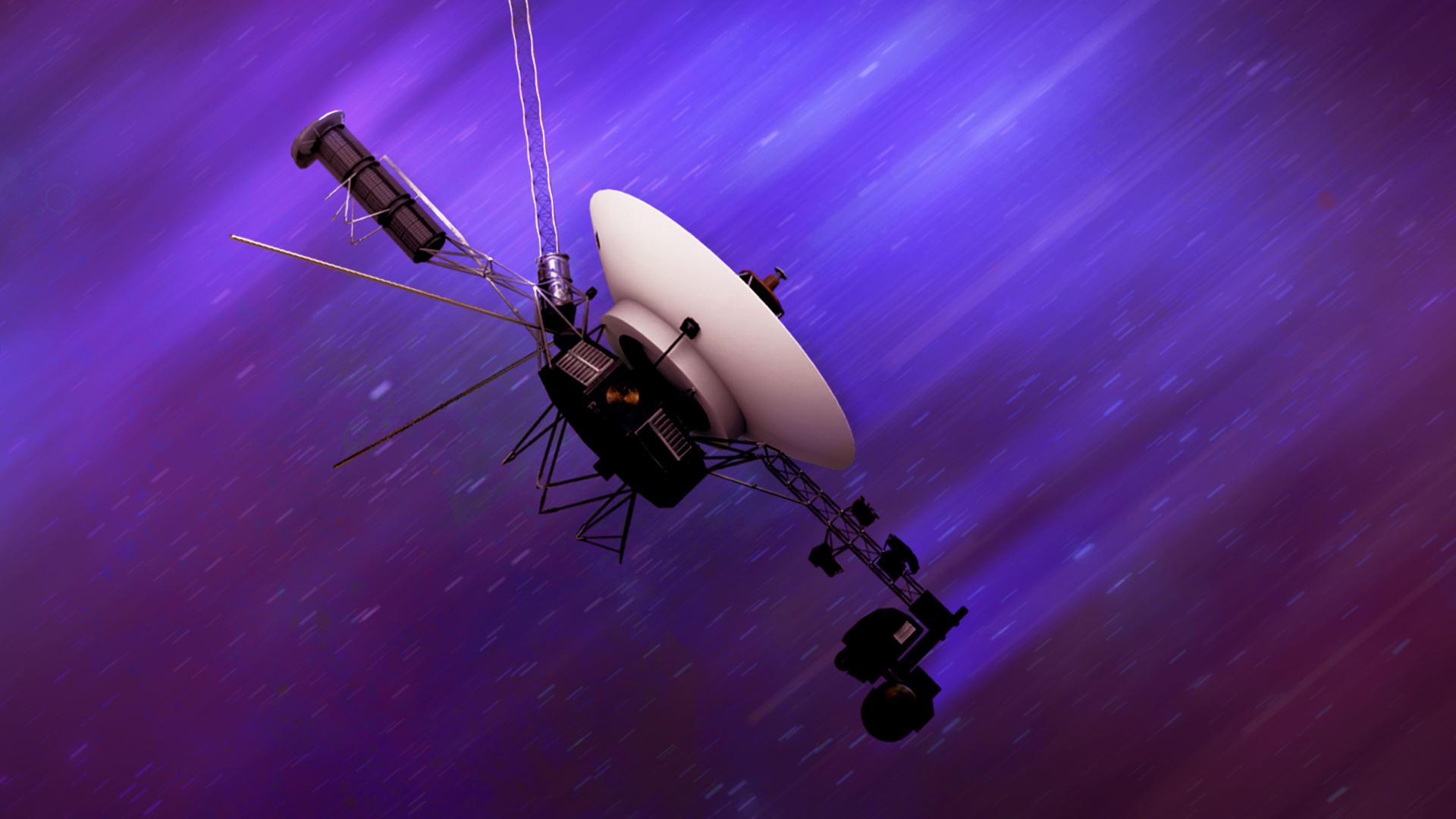
Voyager 1 to Reach One Light-Day Distance from Earth by November 2026
NASA's Voyager 1 spacecraft, launched in 1977, is approaching a historic milestone where it will be exactly one light-day from Earth by Nove
 scienceclock.com·7mo ago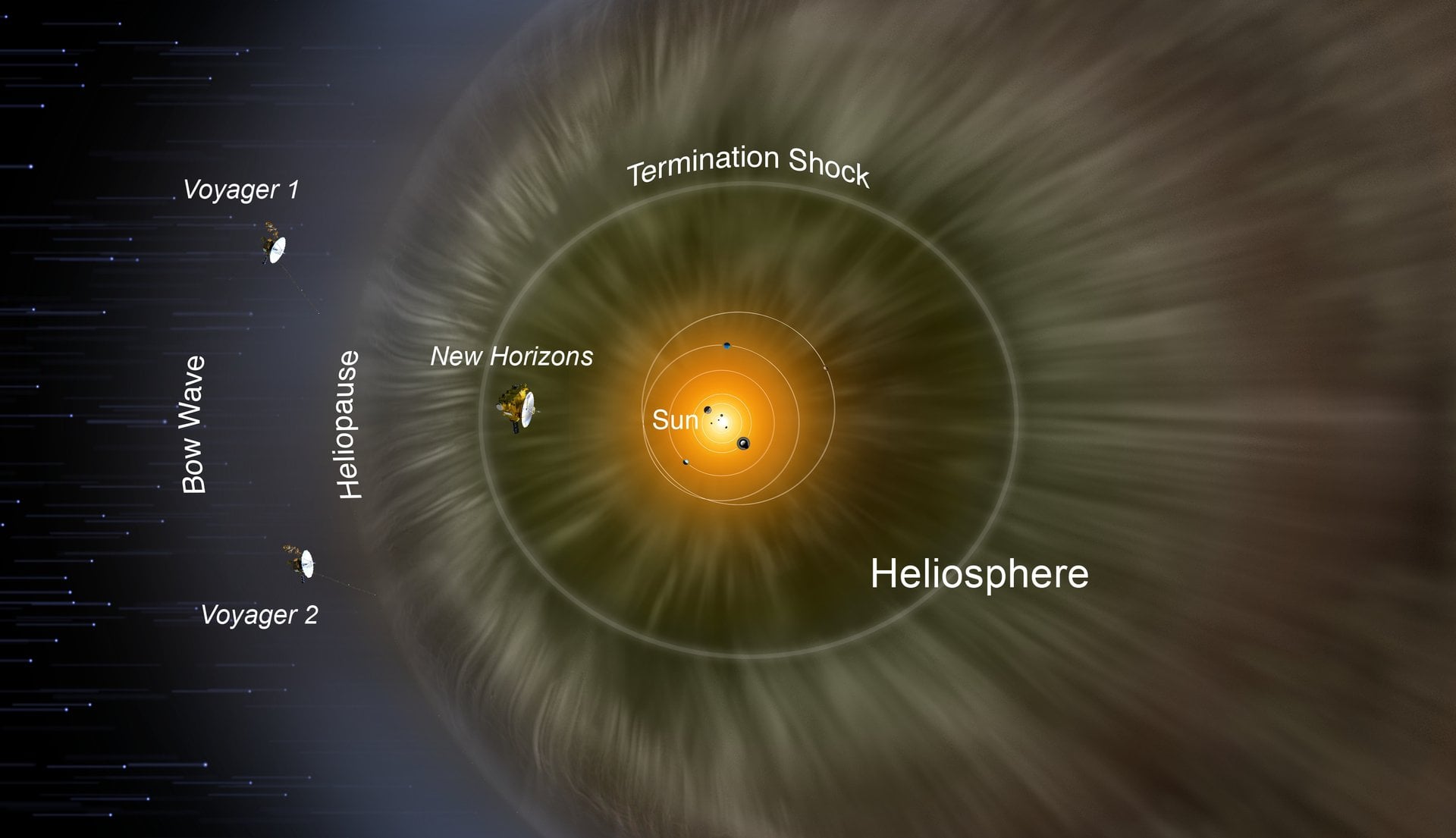
SwRI Scientists Develop Solar Wind Forecasting Method to Map Heliosphere Boundary for New Horizons
Scientists at Southwest Research Institute (SwRI) are developing a solar wind forecasting method to predict where the first plasma boundary
 universetoday.com·2d ago
Comments
Sign in to join the conversation.
No comments yet. Be the first.